Last updated on April 8th, 2026 at 10:03 am
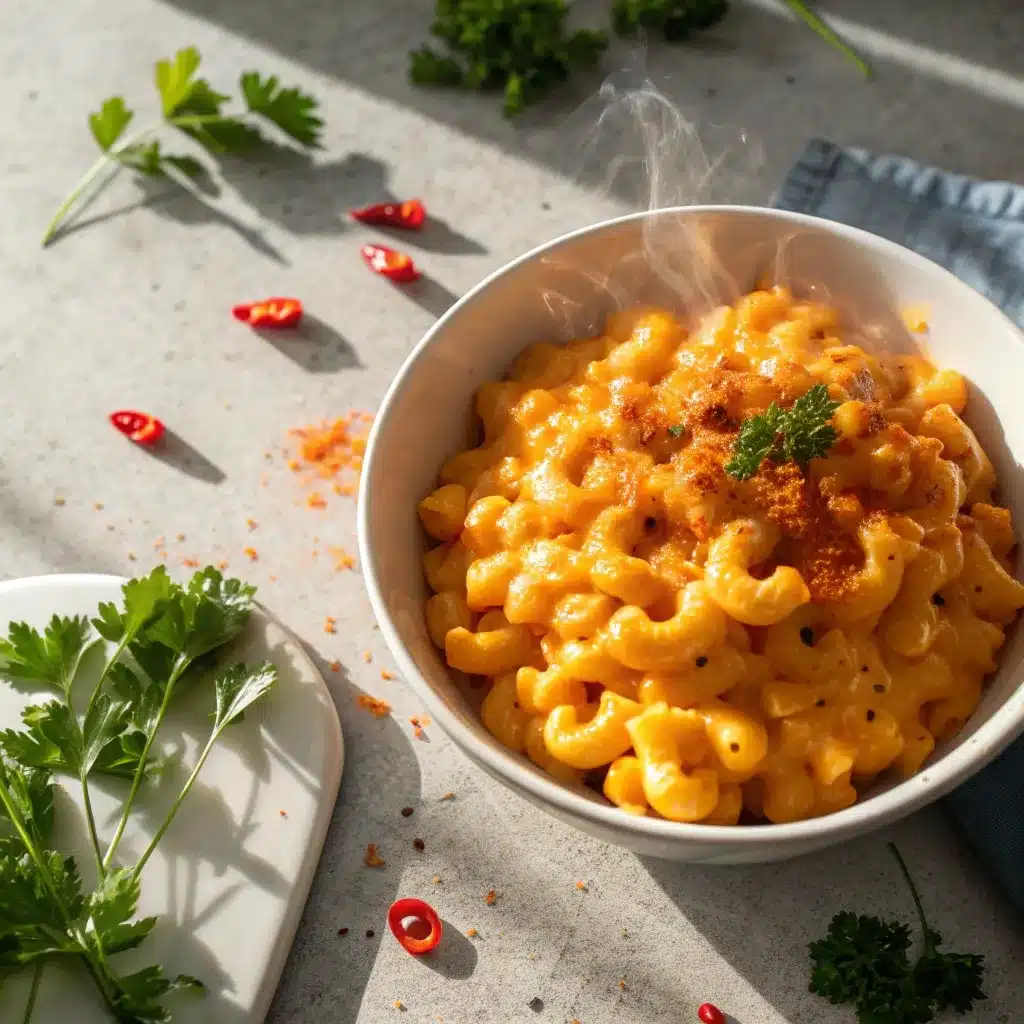
This High Protein Mac and Cheese gives you the creamy, ultra-cheesy comfort of the boxed classic with a smarter homemade twist from blended cottage cheese, sharp cheddar, and protein pasta. It is rich, silky, and deeply satisfying while still working as a more balanced dinner that keeps you fuller for longer.
36g protein · creamy without heavy sauce · cheesy, cozy, and weeknight friendly
I have a confession: I am a Mac & Cheese snob. I grew up on the blue box, graduated to rich, baked roux-based casseroles loaded with heavy cream, and swore I’d never eat “diet” pasta. The idea of “healthy mac and cheese” usually brings to mind watery sauces, fake plastic cheese, or cauliflower pretending to be something it isn’t. So when I first heard about blending cottage cheese into pasta sauce to make High Protein Mac and Cheese, I rolled my eyes. It sounded grainy, sour, and frankly, sad. I assumed Cottage cheese mac and cheese would be a disaster.
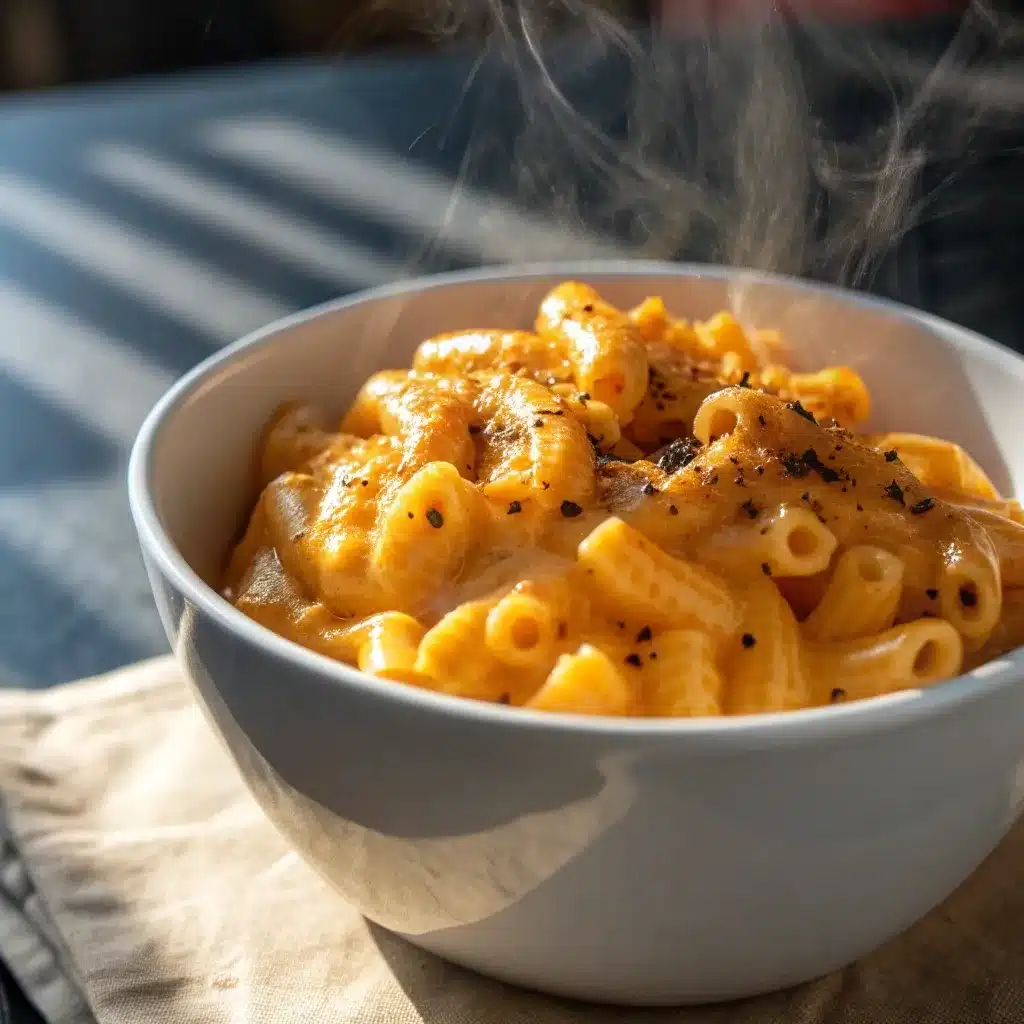
I was wrong. This recipe is the ultimate “Trojan Horse.” It looks, smells, and tastes like decadent, calorie-dense comfort food, but hidden inside that glossy orange sauce is a massive protein boost. We skip the butter and flour roux entirely, replacing it with a blended cheese base that clings to every noodle like liquid gold.
The result? A bowl of pasta that packs 25g of protein and comes together in just 15 minutes. It’s a staple in my rotation of 30+ High Protein Lunch Ideas and a core part of my High Protein Cottage Cheese Recipes guide because it proves you don’t have to sacrifice nostalgia for nutrition.
Table of Contents
Why This High Protein Mac and Cheese Works
Most “healthy” pasta recipes fail because they try to remove the fat without replacing the texture. This Healthy mac and cheese recipe works because we are substituting one type of dairy solid for another, maintaining the creamy mouthfeel while flipping the macro profile.
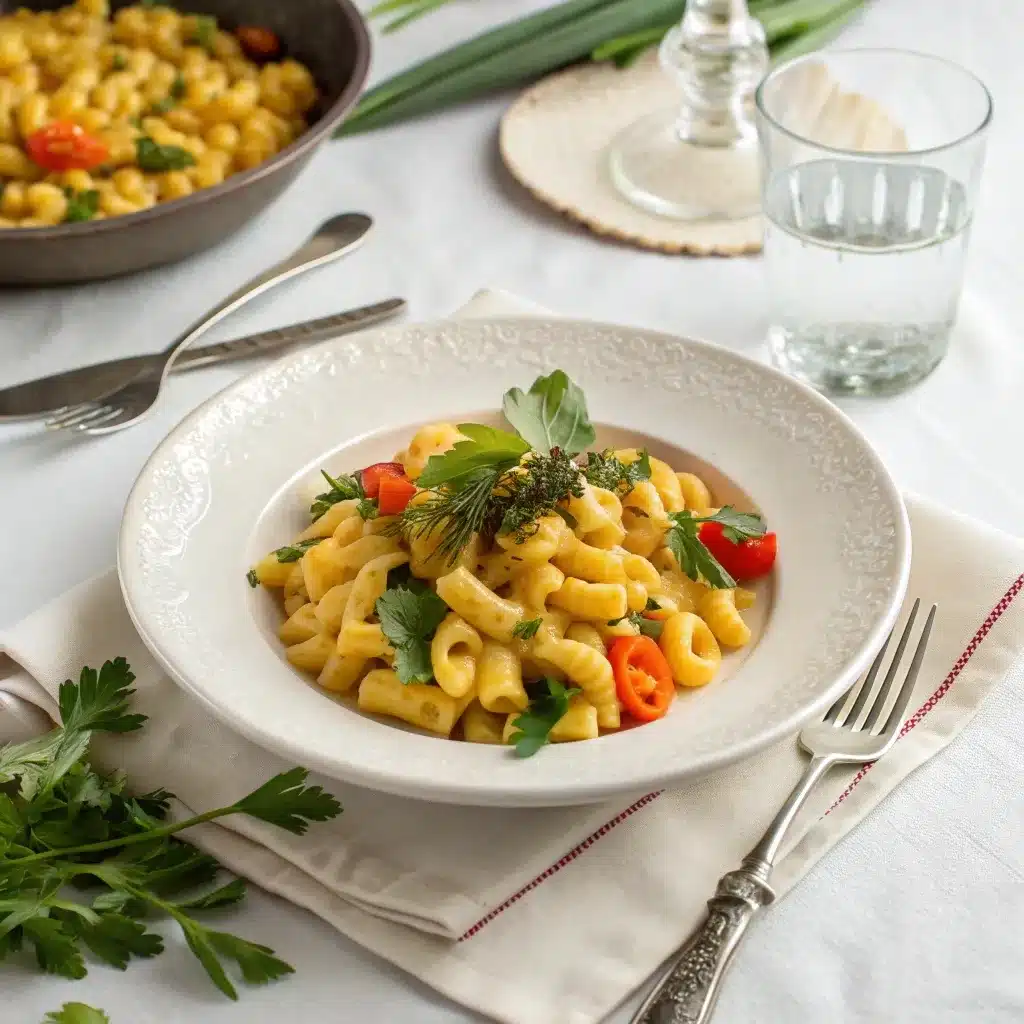
How to Make High Protein Mac and Cheese?
The secret is the sauce ratio. Traditional mac and cheese relies on a Béchamel sauce (milk thickened with butter and flour) to suspend the cheese. In this Macro friendly mac and cheese, we rely on the casein protein in cottage cheese.
- The Thickener: When blended, full-fat cottage cheese becomes thick and creamy, acting as the suspension vehicle for the sharp cheddar. This means we don’t need flour.
- The Protein Boost: A standard cheese sauce has about 5-7g of protein per serving. This Creamy cottage cheese pasta sauce triples that by using a dairy base that is almost entirely protein.
Does Cottage Cheese Melt in Mac and Cheese?
Not on its own. If you just throw cottage cheese curds into hot pasta, they will separate into stringy white rubber and whey water. It’s unappetizing.
- The Solution: You must blend it cold until it is completely liquid. Once emulsified in the blender, it can be heated gently.
- The Partner: We mix it with real Sharp Cheddar. The melting qualities of the cheddar help stabilize the cottage cheese, creating a cohesive sauce that stretches and pulls just like the traditional version.
Avoiding the Graininess
This is the number one fear with Cottage cheese mac and cheese.
- Temperature Control: Cottage cheese is lower in fat than heavy cream. If you boil it, the proteins tighten and squeeze out water (curdling).
- The Fix: You never cook the sauce on the burner. You pour the blended sauce over the hot pasta off the heat. The residual heat from the noodles is enough to melt the cheddar and warm the sauce without shocking it into a grainy mess.

High Protein Mac and Cheese
- Total Time: 15 minutes
- Yield: 4 Servings 1x
Description
This High Protein Mac and Cheese is the ultimate comfort food hack. By blending cottage cheese with sharp cheddar, we create a rich, creamy sauce without any flour or heavy butter. It’s macro-friendly, vegetarian, and ready in 15 minutes.
Ingredients
- 8 oz Elbow Macaroni (Chickpea or Protein Pasta recommended for max protein)
- 1 cup Cottage Cheese (4% Milkfat, Full Fat)
- 1 cup Sharp Cheddar Cheese (Freshly grated from the block)
- 1/4 cup Milk (Any kind)
- 1/2 tsp Garlic Powder
- 1/2 tsp Onion Powder
- 1/2 tsp Dry Mustard Powder (Optional, but recommended)
- 1/4 tsp Paprika
- 1/2 tsp Salt
- 1/4 tsp Black Pepper
Instructions
- Cook Pasta: Boil the pasta in salted water according to package directions.
- Blend Base: While pasta cooks, add cottage cheese, milk, and spices to a high-speed blender. Blend on HIGH for 1 minute until completely smooth and liquid.
- Reserve Water: Important! Before draining, scoop out 1/2 cup of starchy pasta water.
- Combine Off Heat: Drain pasta and return to the hot pot. Turn the burner OFF. Pour in the blended sauce and the grated cheddar cheese.
- Emulsify: Add a splash of pasta water and stir vigorously. The residual heat will melt the cheddar and create a creamy, glossy sauce. Add more pasta water if needed to loosen the sauce.
- Serve: Enjoy immediately!
Notes
- Cheese Tip: Use block cheese! Pre-shredded cheese will make the sauce grainy.
- Reheating: Reheat gently on 50% power in the microwave with a splash of water to prevent separation.
- Protein Count: Using Banza or protein pasta yields ~25g protein. Regular pasta yields ~18g.
- Prep Time: 5 mins
- Cook Time: 10 minutes
- Category: Dinner
- Method: Stovetop
- Cuisine: American
Nutrition
- Serving Size: 1 Bowl
- Calories: 320 kcal
- Sugar: 2 g
- Sodium: 580 mg
- Fat: 10 g
- Saturated Fat: 6 g
- Carbohydrates: 38 g
- Fiber: 4 g
- Protein: 25 g
- Cholesterol: 30 mg
Ingredients for Macro Friendly Mac and Cheese
To make a Healthy mac and cheese recipe (that is actually a High Protein Mac and Cheese) that doesn’t taste like “diet food,” ingredient quality is paramount. We are stripping the recipe back to basics, so there is nowhere for poor quality ingredients to hide.
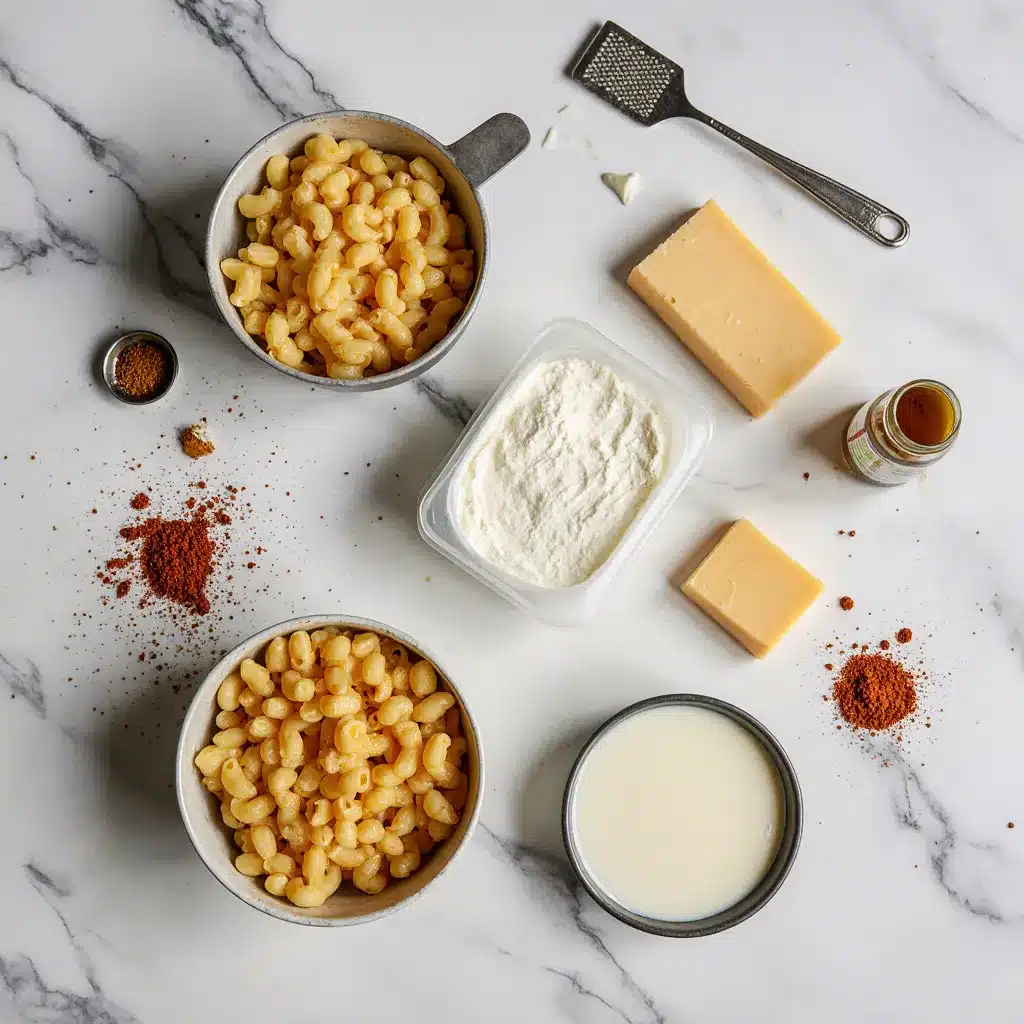
1. The Pasta Strategy
- Classic: Elbow macaroni or shells are best because they cup the sauce.
- High Protein Option: To hit the 25g+ protein goal, I recommend using a chickpea pasta (like Banza) or a protein-enriched wheat pasta (like Barilla Protein+). These add about 12-14g of protein per serving on their own.
- Volume: If you use regular wheat pasta, the protein count will be closer to 18g per bowl—still excellent, but slightly lower.
2. The Dairy Base (Cottage Cheese)
- Full Fat (4%): Do not use low-fat or fat-free cottage cheese. You need the fat to create an emulsion. Fat-free versions will result in a watery, runny sauce that won’t stick to the noodles.
- Brand: Good Culture is my preferred brand for its thick texture and lack of added gums, but Daisy works well too.
3. The Flavor (Sharp Cheddar)
- Block Cheese Only: You must grate your own cheese from a block. Pre-shredded cheese is coated in potato starch and cellulose to prevent clumping in the bag. These agents prevent the cheese from melting into a smooth sauce, leading to a gritty texture.
- Sharpness: Use “Sharp” or “Extra Sharp” Cheddar. Since we are cutting the cheese with cottage cheese (which is mild), we need the strong punch of aged cheddar to carry the flavor.
4. The Secret Spices
Without a roux, we need spices to wake up the sauce.
- Dry Mustard Powder: This is the secret weapon in almost all cheese sauces. It enhances the tang of the cheddar without making the dish taste like mustard.
- Garlic Powder & Paprika: For depth and color.
- Turmeric (Optional): A tiny pinch helps boost that signature “Kraft Dinner” orange color naturally.
5. Milk
- Splash Only: You only need about 1/4 cup of milk to get the blender moving. You can use skim, 2%, or even unsweetened almond milk, as the quantity is so small it won’t affect the flavor.
Equipment Essentials
- High-Speed Blender: Essential for completely obliterating the cheese curds. A grainy sauce ruins the illusion.
- Box Grater: For shredding the cheddar block.
- Large Pot: For boiling pasta and mixing.
How to Make Creamy Cottage Cheese Pasta (Step-by-Step)
This recipe moves fast. Once the pasta is cooked, the dish comes together in under 2 minutes.
Step 1: The Blend (Make the Base)
In a high-speed blender, combine the cottage cheese, milk, dry mustard, garlic powder, paprika, salt, and pepper.
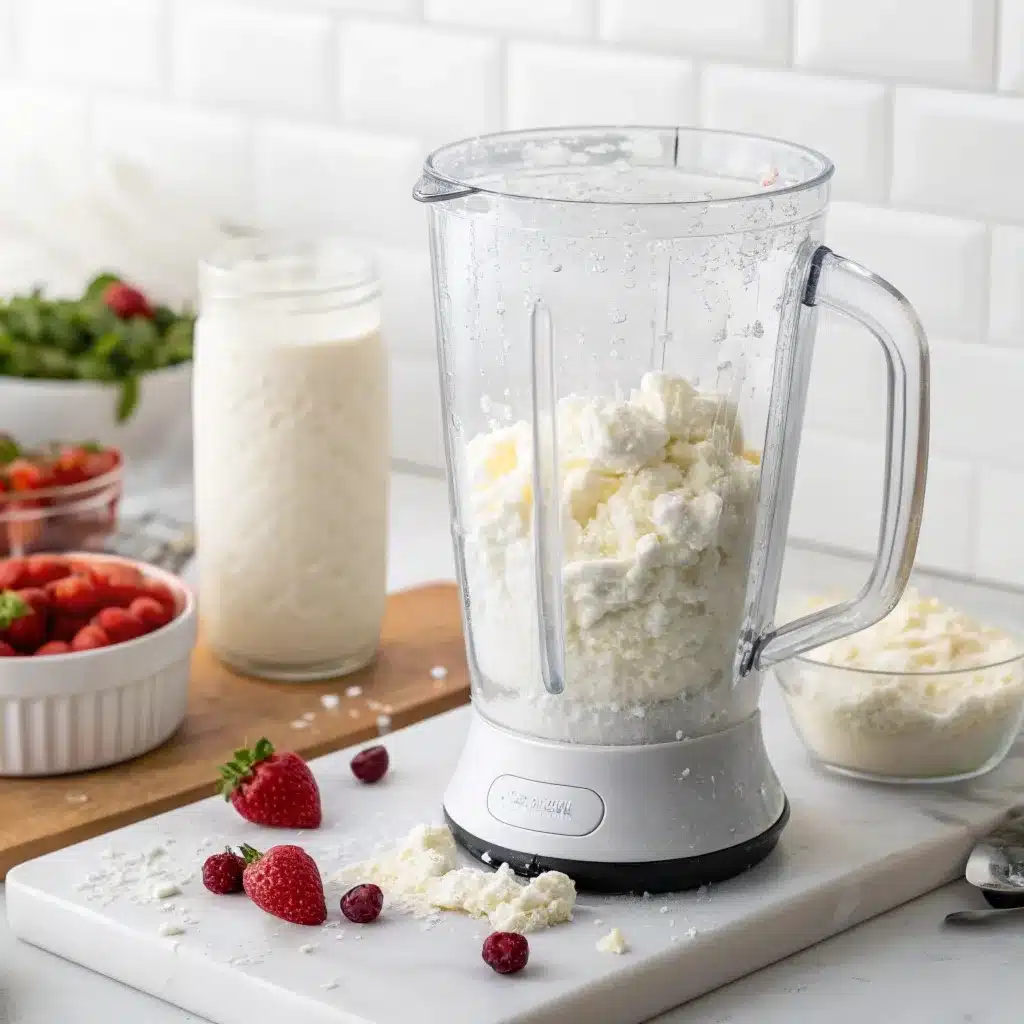
- Action: Blend on HIGH for 60 seconds. Stop and scrape down the sides. Blend again.
- Visual Cue: The mixture should look like thick heavy cream or pancake batter. It should be perfectly smooth with zero visible white specks.
Step 2: The Boil (Cook the Pasta)
Boil your pasta in salted water according to package directions for al dente.
- Crucial Step: Before draining, use a mug to scoop out about 1/2 cup of the starchy pasta cooking water.
- Drain: Drain the pasta well, but do not rinse it! You want the starch on the noodles to help the sauce adhere.
Step 3: The Melt (Combine Off Heat)
Return the hot, drained pasta immediately to the pot. Make sure the burner is OFF.
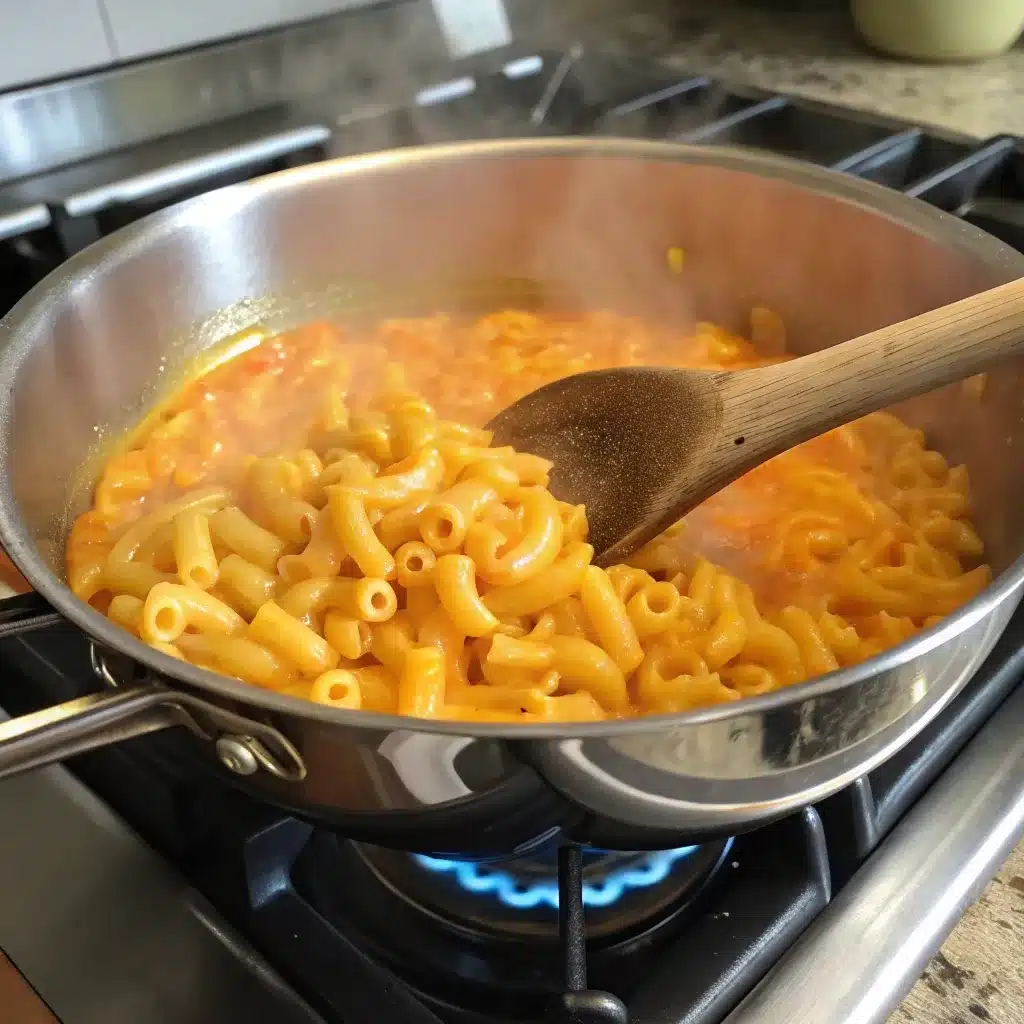
- Pour: Immediately pour the blended cottage cheese mixture and the freshly grated cheddar cheese over the hot noodles.
- Splash: Add a splash (about 2 tablespoons) of the reserved hot pasta water.
Step 4: The Emulsification (Stir Vigorously)
Stir the pasta vigorously with a wooden spoon or spatula.
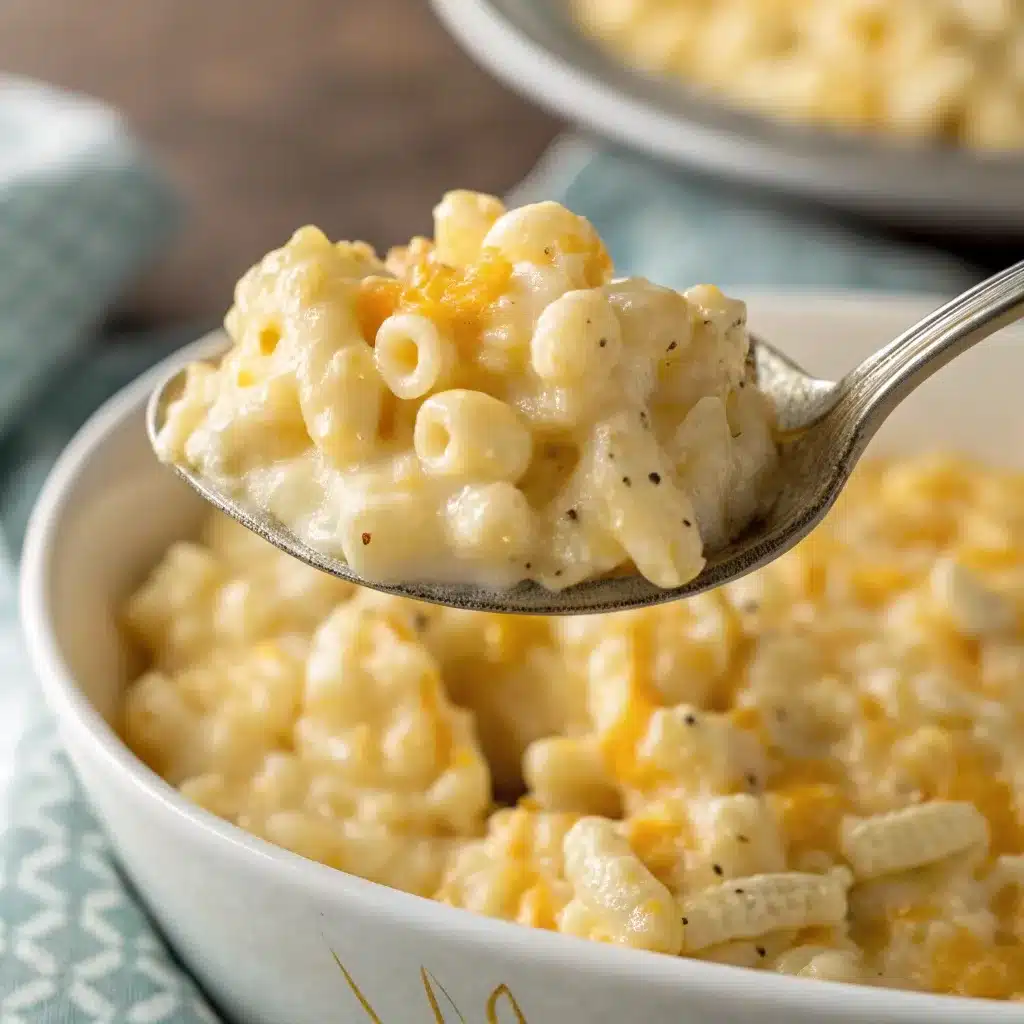
- The Magic: The residual heat from the pasta and the pasta water will melt the grated cheddar. As you stir, the cheddar will emulsify with the blended cottage cheese, turning into a glossy, thick, cohesive orange sauce.
- Adjust: If it’s too thick or “gloopy,” add more reserved pasta water a tablespoon at a time until it reaches your desired creaminess.
Variations & Mix-Ins
This Protein pasta sauce base is incredibly versatile. Here is how to customize it.
The Buffalo Mac
This is my favorite way to eat it.
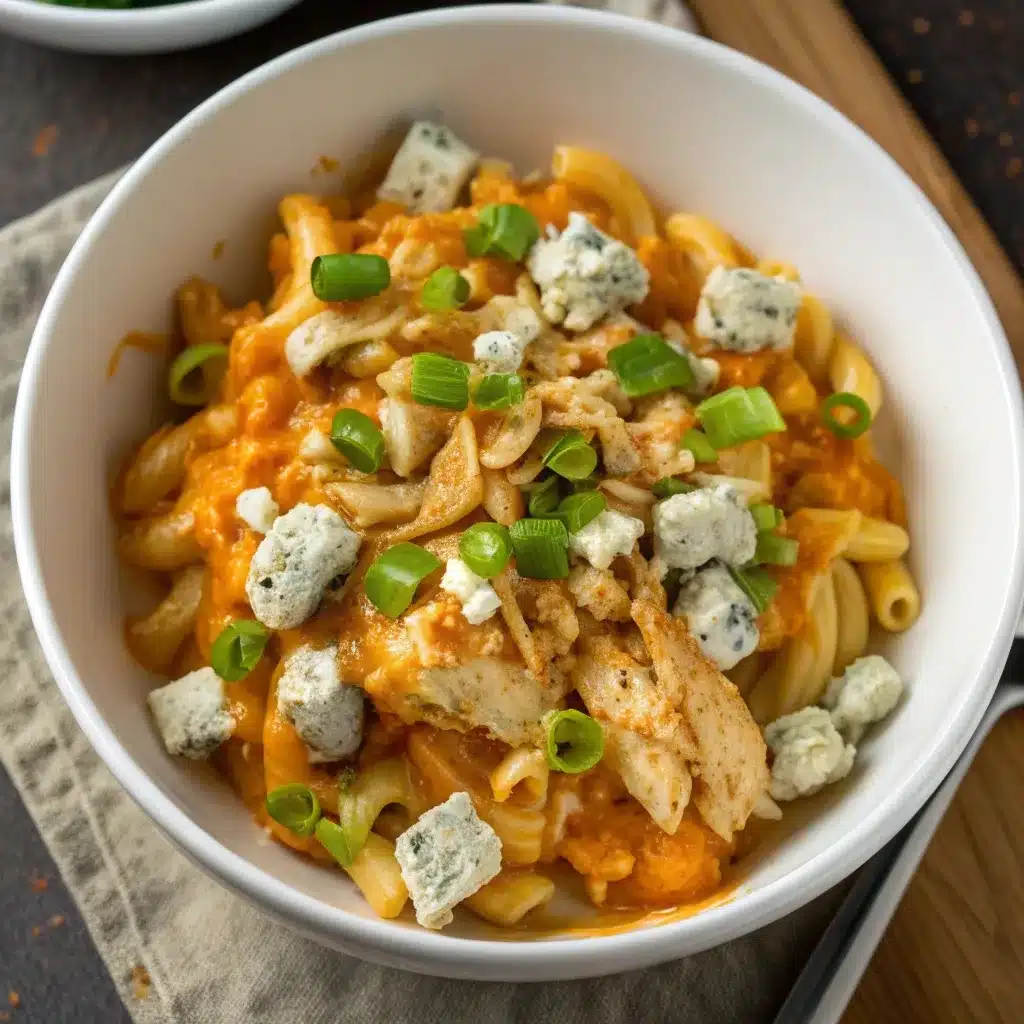
- The Mix-In: Stir in 2 tablespoons of buffalo sauce and 1 cup of cooked, shredded chicken breast.
- Garnish: Top with crumbled blue cheese and green onions.
- Context: If you love this flavor profile, check out my dedicated Slow Cooker Buffalo Chicken Pasta for a hands-off version.
The Veggie Boost
Add volume and micronutrients without calories.
- The Method: Add frozen peas or small broccoli florets to the boiling pasta water during the last 2 minutes of cooking. Drain them right along with the pasta. The sauce coats the veggies beautifully.
Baked Mac and Cheese (The Casserole Style)
Can you bake this High Protein Mac and Cheese? Yes, with a tweak.
- Adjustment: Cottage cheese sauce thickens more than flour sauce in the oven. You must add an extra 1/4 cup of milk to the sauce before mixing.
- Topping: Transfer to a baking dish, top with Panko breadcrumbs (mixed with a little butter), and bake at 350°F for 15-20 minutes just to brown the top. Do not overbake, or it will dry out.
The Side Dish
This isn’t just a main course; it’s the perfect high-protein side.
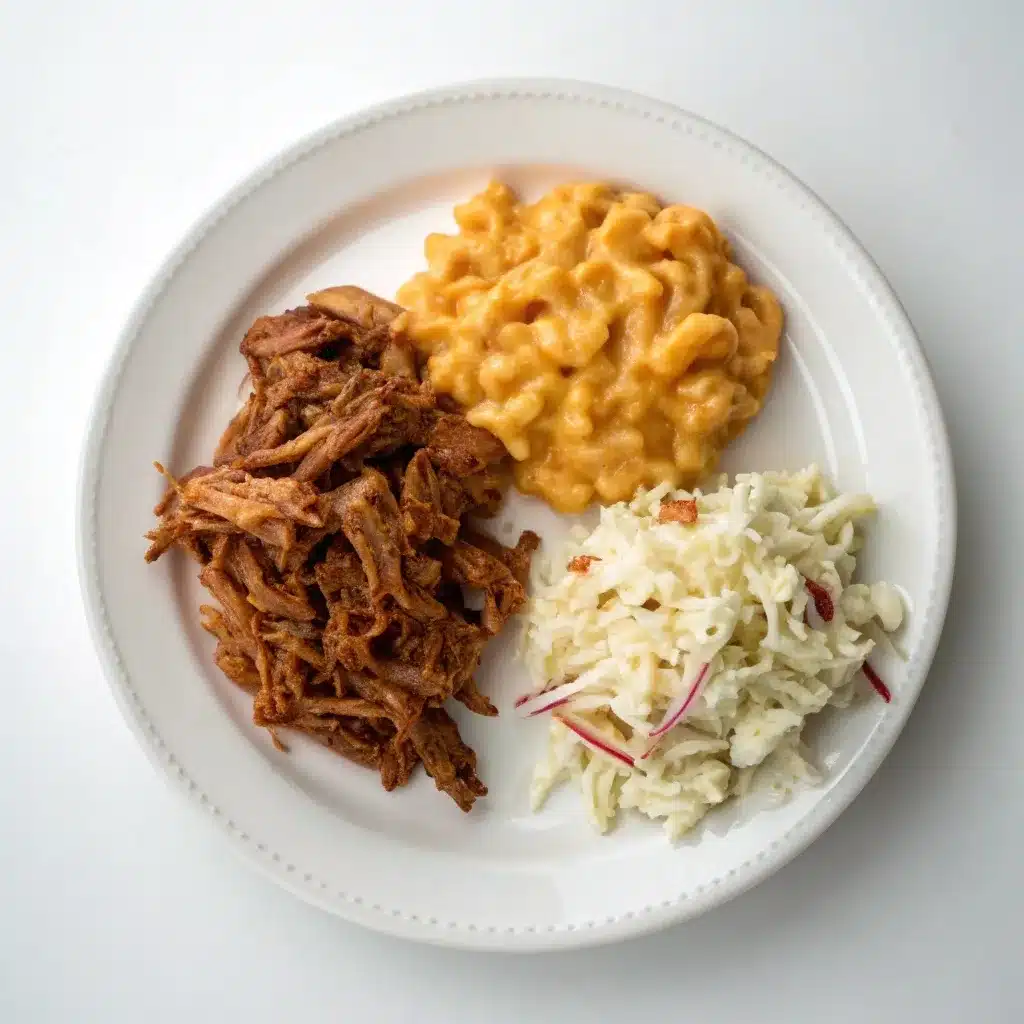
- Pairing: Serve this alongside a protein main like my Slow Cooker Shredded BBQ Chicken. The creamy cheese balances the tangy BBQ sauce perfectly.
Storage and Reheating: The “Low and Slow” Rule
Leftovers are great, but you have to treat them gently.
Refrigeration
Store in an airtight container in the fridge for up to 4 days.
- Note: The pasta will absorb the sauce as it sits, so it will look drier the next day. This is normal.
How Do You Reheat Healthy Mac and Cheese?
Do not microwave on high. High heat will separate the oil from the cheese, leaving you with greasy noodles and grainy solids.
- Microwave: Add a splash of water or milk to the cold pasta. Cover loosely. Microwave at 50% power in 30-second bursts, stirring gently in between.
- Stovetop: Place pasta in a saucepan with a splash of milk. Warm over low heat, stirring constantly until the sauce loosens up and becomes creamy again.
Can I Freeze This?
I don’t recommend freezing dairy-based sauces. As mentioned with my other cheese recipes, freezing breaks the emulsion. When thawed, the sauce tends to become grainy and watery. It keeps well in the fridge, so stick to fresh eating!
Troubleshooting Your Mac and Cheese
Problem: The sauce is grainy.
- Reason 1: You used pre-shredded cheese with cellulose.
- Reason 2: You overheated the sauce (left the burner on).
- Fix: Unfortunately, a broken sauce is hard to fix. Next time, use block cheese and mix off the heat.
Problem: The sauce is bland.
- Reason: Cottage cheese is very mild.
- Fix: You likely need more salt or acid. Try adding another pinch of salt or a teaspoon of hot sauce (vinegar) to wake up the flavors. Don’t skip the dry mustard!
Problem: The sauce is stringy.
- Reason: The cheese didn’t emulsify with the liquid.
- Fix: Add a little more hot pasta water and stir vigorously. The starch in the water helps bind the fats and proteins together.
Frequently Asked Questions
Can I bake this mac and cheese?
Yes, but add extra milk. Cottage cheese sauce thickens more than flour sauce in the oven because it loses moisture rapidly. Add an extra 1/4 cup of milk to keep it creamy, then bake at 350°F for just 15-20 minutes until bubbly.
How do you reheat healthy mac and cheese?
Low and slow. Microwave at 50% power in 30-second bursts, stirring in between. Add a splash of water to loosen it up. High heat will make the oil separate from the protein, causing a greasy, grainy texture.
What is the best cheese for homemade mac and cheese?
Sharp Cheddar gives the classic flavor we all crave. However, mixing in a good melting cheese like Gruyère or Monterey Jack adds incredible silkiness. A 50/50 mix of Sharp Cheddar and Gruyère is the “gourmet” choice.
Can I use cottage cheese instead of milk in mac and cheese?
Yes, it replaces both the milk and the butter/flour roux found in traditional recipes. It creates a sauce that coats the noodles rather than drowning them in liquid. It is a “Mac and Cheese without flour” hack that works perfectly.
Can I freeze this?
I don’t recommend freezing. Dairy-based sauces tend to become grainy when thawed because the ice crystals break the protein structure. It keeps well in the fridge for 3-4 days, though!
Conclusion
Finally, a mac and cheese you can eat every day without ruining your diet. This High Protein Mac and Cheese satisfies the deepest comfort food cravings while delivering the nutrition of a post-workout meal. It’s creamy, cheesy, and proof that “Macro friendly mac and cheese” doesn’t have to mean boring.
Need a dessert to finish the meal? Try my High Protein Edible Cookie Dough for a sweet treat that uses the same blender trick.