Last updated on April 8th, 2026 at 09:46 am
These Cottage Cheese Pancakes turn simple blender ingredients into a fluffy, golden breakfast with the richness of classic pancakes and a smarter protein boost from cottage cheese, eggs, and oats. They are naturally flourless, easy to make in minutes, and perfect when you want a high-protein breakfast that feels comforting, filling, and surprisingly light.
21g protein per serving · blender batter · fluffy, golden, and no flour required
Forget dry, rubbery protein pancakes that taste like cardboard. These Blender Cottage Cheese Pancakes change the game entirely. By blending cottage cheese directly into the batter, you replace the need for heavy oil or butter while adding incredible moisture and 20g of protein per serving.
The best part? You can’t taste the cheese at all.
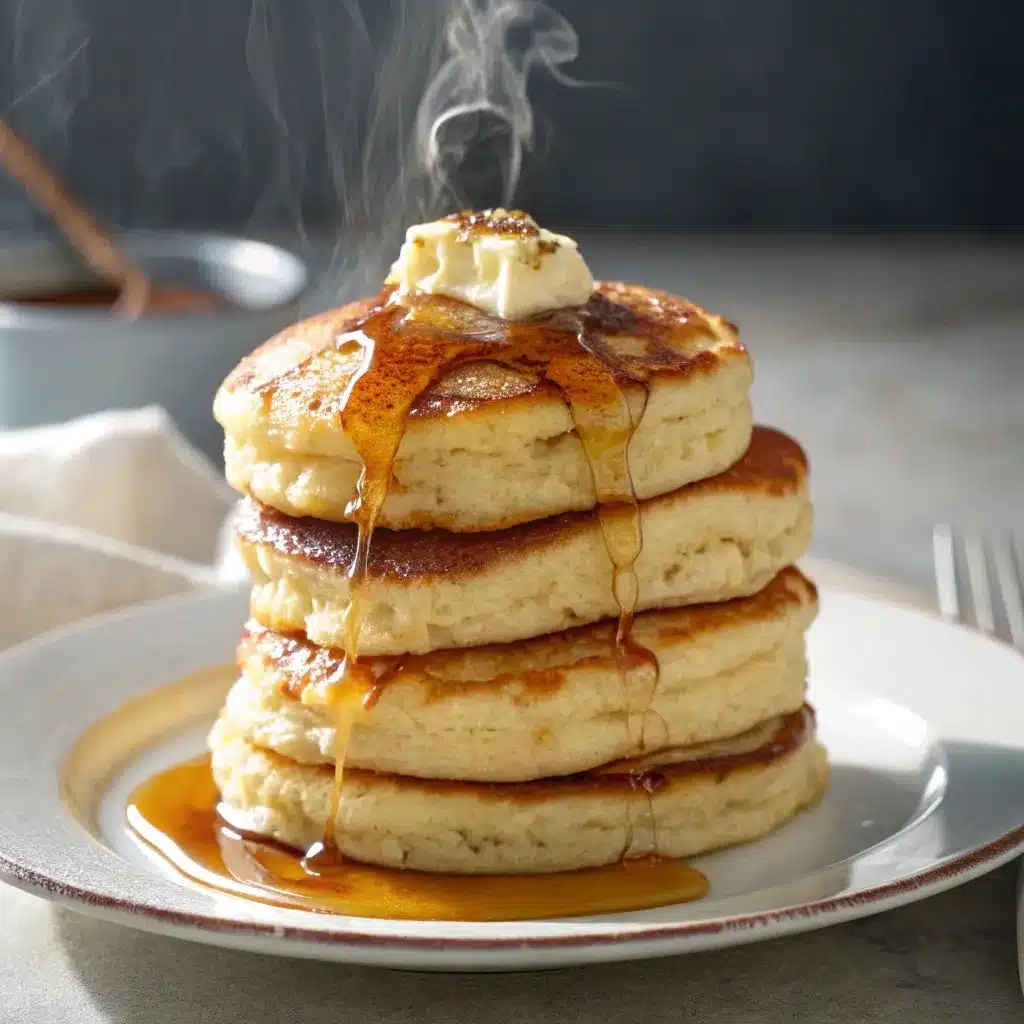
Just dump rolled oats, eggs, and cottage cheese into a blender, blitz until smooth, and cook. It is a 10-minute healthy breakfast that tastes like a cheat meal, offering the richness of cheesecake with the macros of a post-workout shake. It has quickly become the most popular breakfast sweet treat in my High Protein Cottage Cheese Recipes collection.
Prefer a savory start? Try my Cottage Cheese Scrambled Eggs instead.
Table of Contents
Why Are Cottage Cheese Pancakes So Popular Right Now?
The rise of Healthy cottage cheese pancakes isn’t just a trend; it’s a culinary correction. For years, “healthy pancakes” meant mashing a banana with an egg and hoping for the best, or choking down dry scoops of whey protein powder mixed with water. This recipe bridges the gap between culinary indulgence and nutritional necessity.
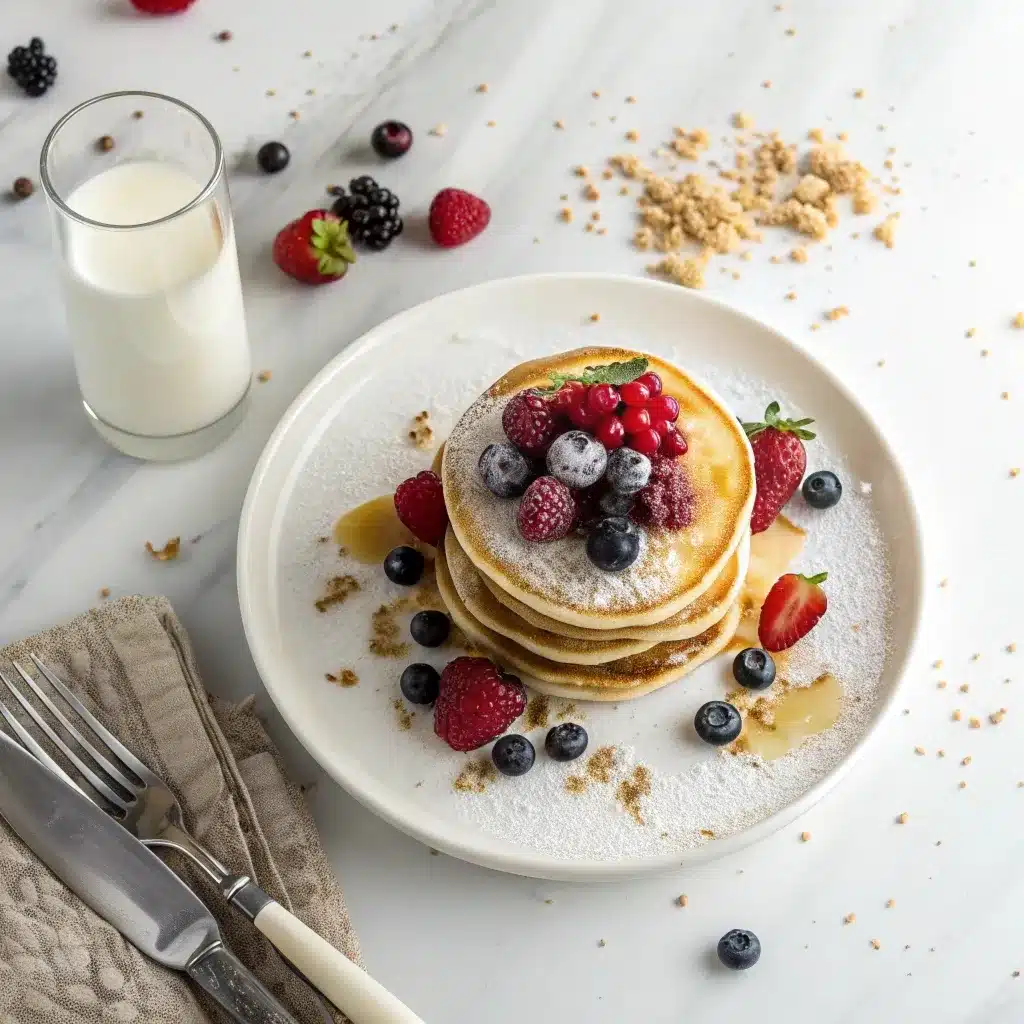
The Flavor and Nutrition Profile
Do cottage cheese pancakes taste like cottage cheese? Absolutely not. This is the number one question I get. Once the curds are pulverized in the blender and mixed with vanilla extract, cinnamon, and the natural sweetness of oats, the tang disappears completely. They taste remarkably like rich, buttermilk pancakes. The acidity in the cheese actually mimics buttermilk, reacting with the baking powder to create lift.
What makes them higher-protein than regular pancakes? Traditional flour pancakes are essentially cake for breakfast, offering only about 4g of protein per serving and a massive spike in blood sugar. By using a base of whole eggs and cottage cheese, we boost this to 20g+ of protein without using chalky powders. The protein comes from whole food sources, meaning it is more bioavailable and easier on digestion.
The Science of “Hidden” Protein
This recipe utilizes the unique properties of Casein protein found in cottage cheese. Unlike whey, which is thin and watery, casein is thick and slow-digesting. When cooked, it provides structural integrity to the pancake, allowing us to skip the gluten found in wheat flour. This makes High protein cottage cheese pancakes no flour recipes structurally sound—they won’t crumble in the pan like almond flour pancakes often do.
Print
Fluffy Cottage Cheese Pancakes (Blender Recipe)
- Total Time: 15 minutes
- Yield: 2 Servings (8 Pancakes) 1x
Description
These 4-ingredient Blender Cottage Cheese Pancakes are the ultimate healthy breakfast hack. By blending oats, eggs, and cottage cheese, you create a protein-packed batter that cooks up fluffy, golden, and delicious—with zero flour required.
Ingredients
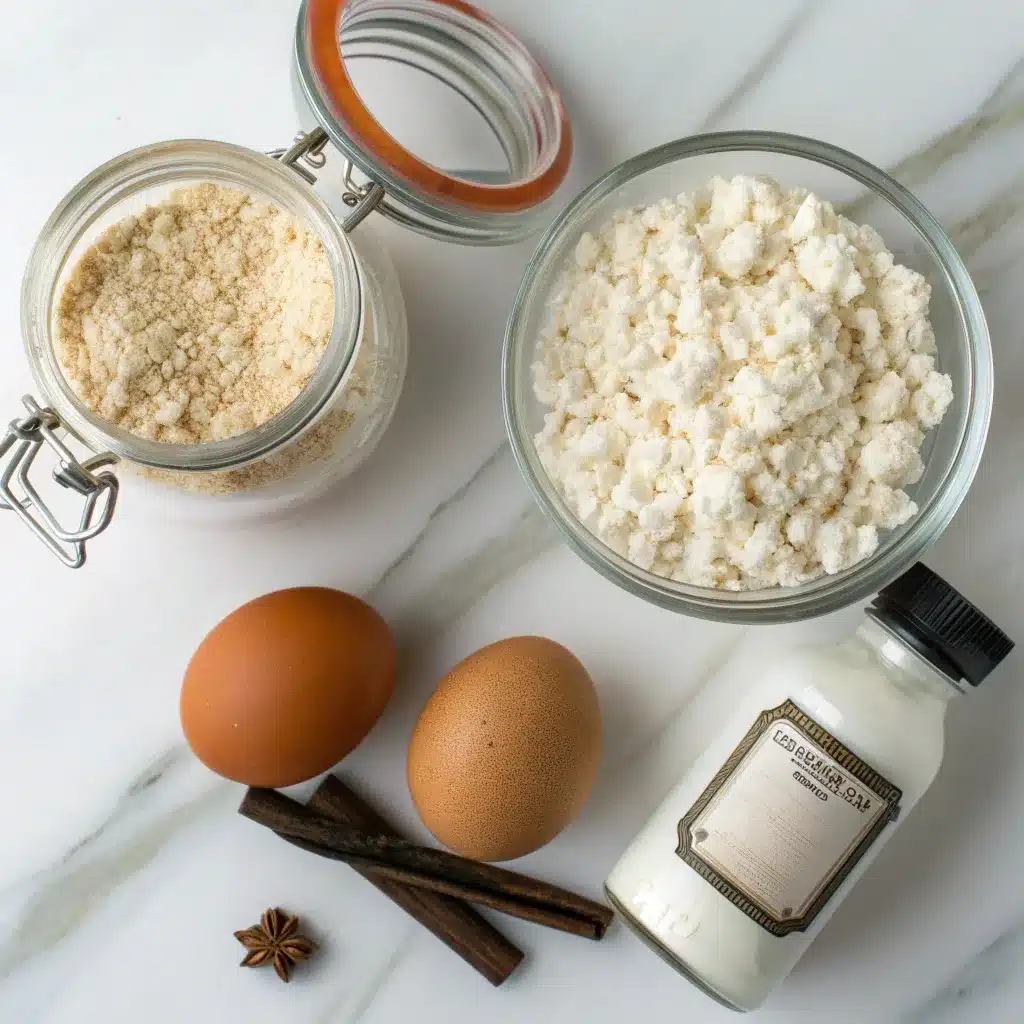
- 1 cup Old Fashioned Rolled Oats (Certified GF if needed)
- 1/2 cup Cottage Cheese (Full Fat / 4%)
- 2 large Eggs
- 1 tsp Baking Powder
- 1 tsp Vanilla Extract
- 1/2 tsp Ground Cinnamon
- 1/4 tsp Salt
- 1 tbsp Maple Syrup (Optional, for batter)
- Butter or Oil (For the pan)
Instructions
- Combine: Place oats, cottage cheese, eggs, baking powder, vanilla, cinnamon, salt, and maple syrup into a blender.
- Blend: Process on high speed for 30-45 seconds until the batter is completely smooth and the oats are pulverized.
- Rest: Let the batter sit for 5-10 minutes to thicken.
- Heat: Preheat a large non-stick skillet over medium-low heat. Grease lightly with butter.
- Cook: Pour 1/4 cup portions of batter onto the skillet. Cook for 2-3 minutes until bubbles form and edges set.
- Flip: Flip gently and cook for another 1-2 minutes until golden brown.
- Serve: Serve immediately with fresh fruit and syrup.
Notes
- Batter Thickness: If batter is too thick after resting, add a splash of milk. If too thin, add 1 tbsp more oats.
- Freezing: Freeze cooled pancakes in a single layer, then transfer to a bag. Reheat in the toaster.
- Banana Version: Swap 1/2 cup oats for 1 ripe banana for sweeter pancakes.
- Prep Time: 5 mins
- Cook Time: 10 mins
- Category: Breakfast
- Method: Blender / Stovetop
- Cuisine: American
Nutrition
- Serving Size: 3-4 Pancakes
- Calories: 280 kcal
- Sugar: 4 g
- Sodium: 380 mg
- Fat: 9 g
- Saturated Fat: 3 g
- Carbohydrates: 30 g
- Fiber: 4 g
- Protein: 21 g
- Cholesterol: 190 mg
How Do You Make Blender Cottage Cheese Pancakes That Turn Out Fluffy?
The secret to Fluffy cottage cheese pancakes lies in the batter consistency and the blending technique.
Getting the Batter Texture Right
What’s the best cottage cheese-to-egg ratio? The golden ratio is 1/2 cup cottage cheese to 2 eggs.
- Too much egg: The pancakes become rubbery and taste like an omelet.
- Too much cheese: The pancakes become heavy, wet, and impossible to flip.
- The Fix: This 1:4 ratio provides enough egg protein to set the structure while allowing enough cheese fat to keep the crumb tender.
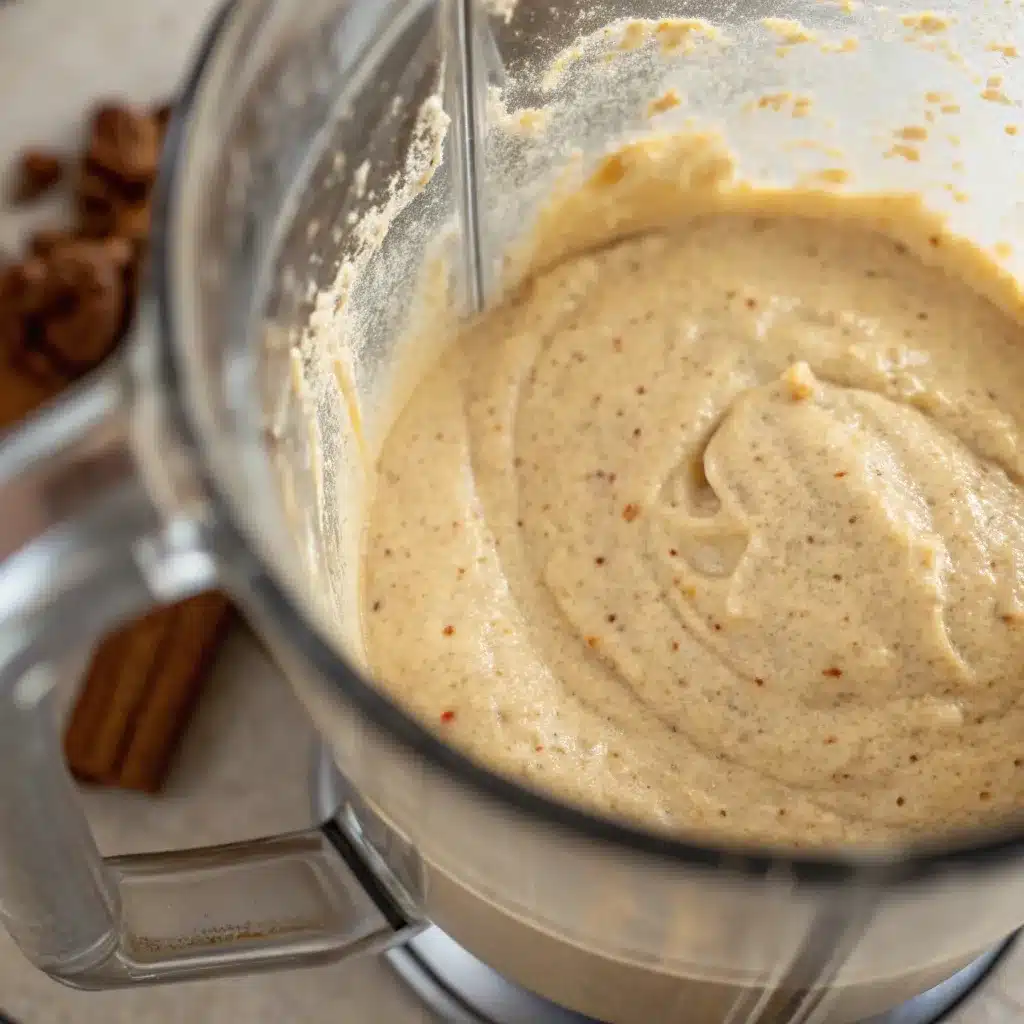
How smooth should you blend the batter? You must blend until completely smooth (30-45 seconds). You are essentially making your own oat flour in the blender. If you under-blend, you will have bits of whole oats and distinct cheese curds, which leads to a gritty texture. You want a homogenous, creamy batter.
Visual Cues for Success
How thick should the batter look before cooking? It should be pourable but thick, similar to a heavy smoothie bowl or cake batter. It should not be runny like crepe batter.
- The Spoon Test: If you dip a spoon in and lift it, the batter should coat the back of the spoon thickly and drip off slowly.
Why is my batter watery after blending? This usually happens for two reasons:
- Over-blending: If you blend for 2+ minutes, the heat from the blades can make the batter runny.
- Watery Cheese: Using large-curd or fat-free cottage cheese often introduces excess whey.
- The Fix: Add 1 tablespoon of extra oats and let the batter sit for 5 minutes. The oats will absorb the excess liquid.
What’s the Best Way to Cook Cottage Cheese Pancakes Without Burning?
Cooking protein-rich batter is different from cooking flour batter. Protein browns (Maillard reaction) much faster than starch.
Mastering Heat Control
What heat gives the best texture—medium or low? LOW to MEDIUM-LOW. This is non-negotiable.
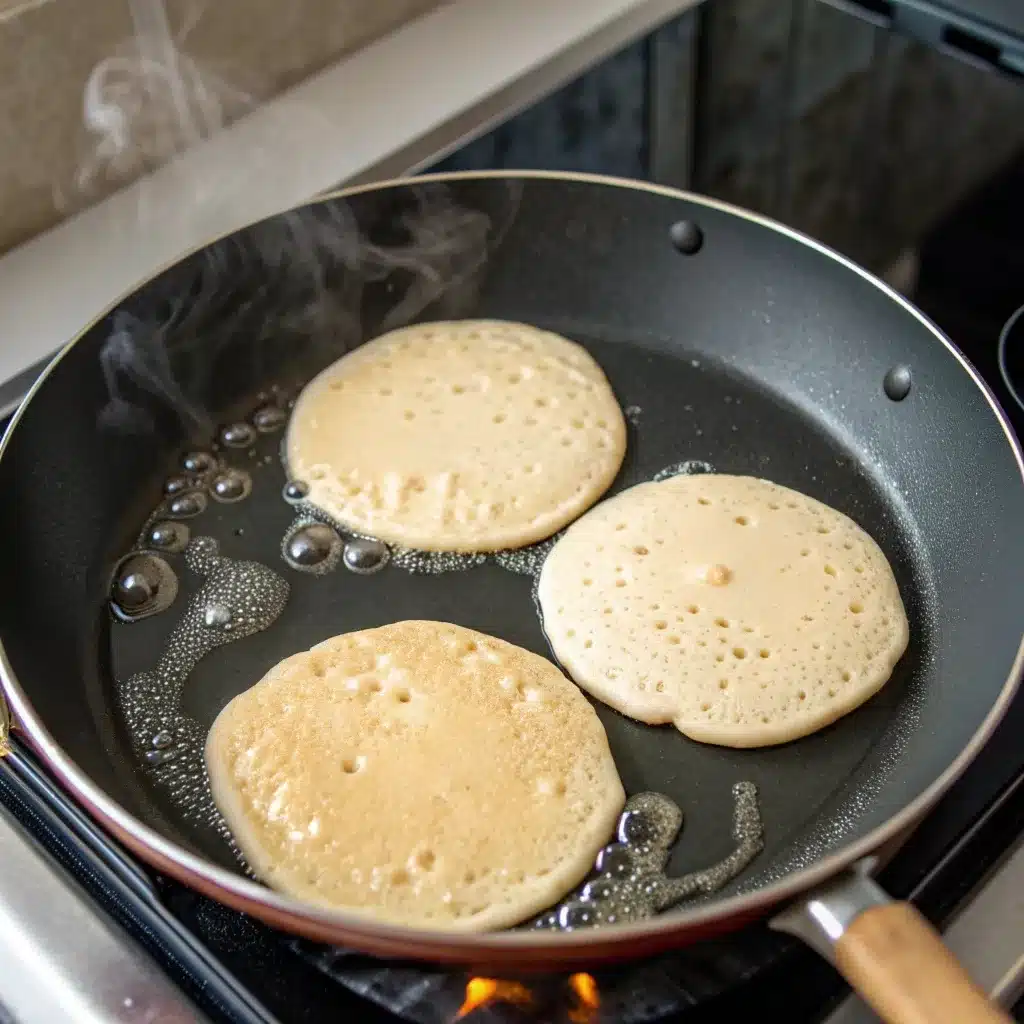
- The Science: Because these pancakes are dense with protein and lack the airy gluten network of flour, heat takes longer to penetrate to the center. If you use High or Medium-High heat, the outside will burn black before the inside is cooked.
- The Method: Preheat your pan on medium, then drop it to low right before pouring the batter.
Why are they sticking even on a nonstick pan? Protein naturally sticks to metal more than starch does. Even with a good non-stick skillet, you need a barrier.
- The Fat: Wipe the pan with a little butter or coconut oil between every batch. Do not rely on the non-stick coating alone.
The Flipping Technique
When do you flip them so they don’t fall apart? Patience is your best friend here.
- Wait for Bubbles: Look for bubbles to appear on the surface. Unlike regular pancakes, these bubbles might not “pop” and stay open immediately.
- Check Edges: The edges should look dry and matte, not shiny.
- The Lift: Gently slide a thin spatula under the pancake. If it buckles or feels liquid in the center, give it another 60 seconds. Flip gently and quickly.
Why Are My Cottage Cheese Pancakes Gummy or Rubbery?
If your Blender cottage cheese pancakes didn’t turn out perfect, here is the troubleshooting guide.
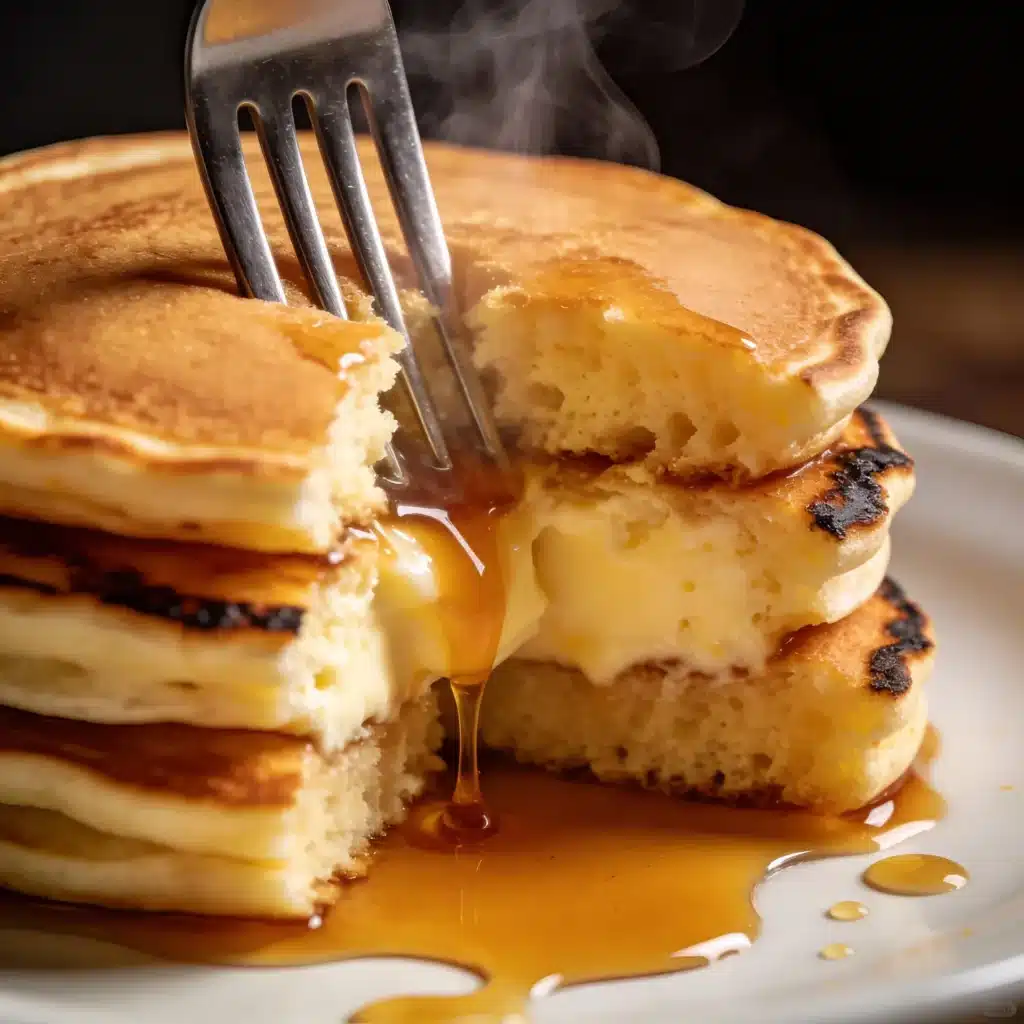
Troubleshooting Texture Issues
What causes gummy protein pancakes? Gumminess usually comes from two culprits:
- Wet Batter: You didn’t let the oats absorb the liquid long enough.
- Thermal Shock: The pan was too hot, searing the outside and trapping the steam inside, creating a dense, wet crumb.
How do you fix dense pancakes on the next batch?
- Leavening: Ensure your baking powder is fresh. It provides the carbon dioxide needed to lift the heavy batter.
- Size Matters: Make the pancakes smaller—silver dollar size (about 2-3 tablespoons of batter). Large pancakes are too heavy to support their own weight and often collapse, becoming dense.
Why are they raw in the middle? This is a classic symptom of high heat.
- The Steam Hack: If you find your pancakes are browning too fast but are raw inside, cover the pan with a lid for 60 seconds after flipping. This traps steam and cooks the center gently without burning the crust.
How Do You Make Cottage Cheese Pancakes With No Flour?
This recipe relies on oats, which act very differently than wheat flour.
Flourless Ingredient Swaps
How do you keep flourless pancakes from breaking? Oat flour lacks gluten, the “glue” that holds baked goods together.
- Resting Time: The most critical step is letting the batter rest for 5-10 minutes after blending. This allows the oats to hydrate and the soluble fiber (beta-glucan) to thicken the batter, providing a binding effect similar to gluten. A study from Healthline explains how beta-glucan forms a gel-like consistency, which is crucial for structure in gluten-free baking.
What can replace flour without ruining texture?
- Rolled Oats: The standard choice for a hearty texture.
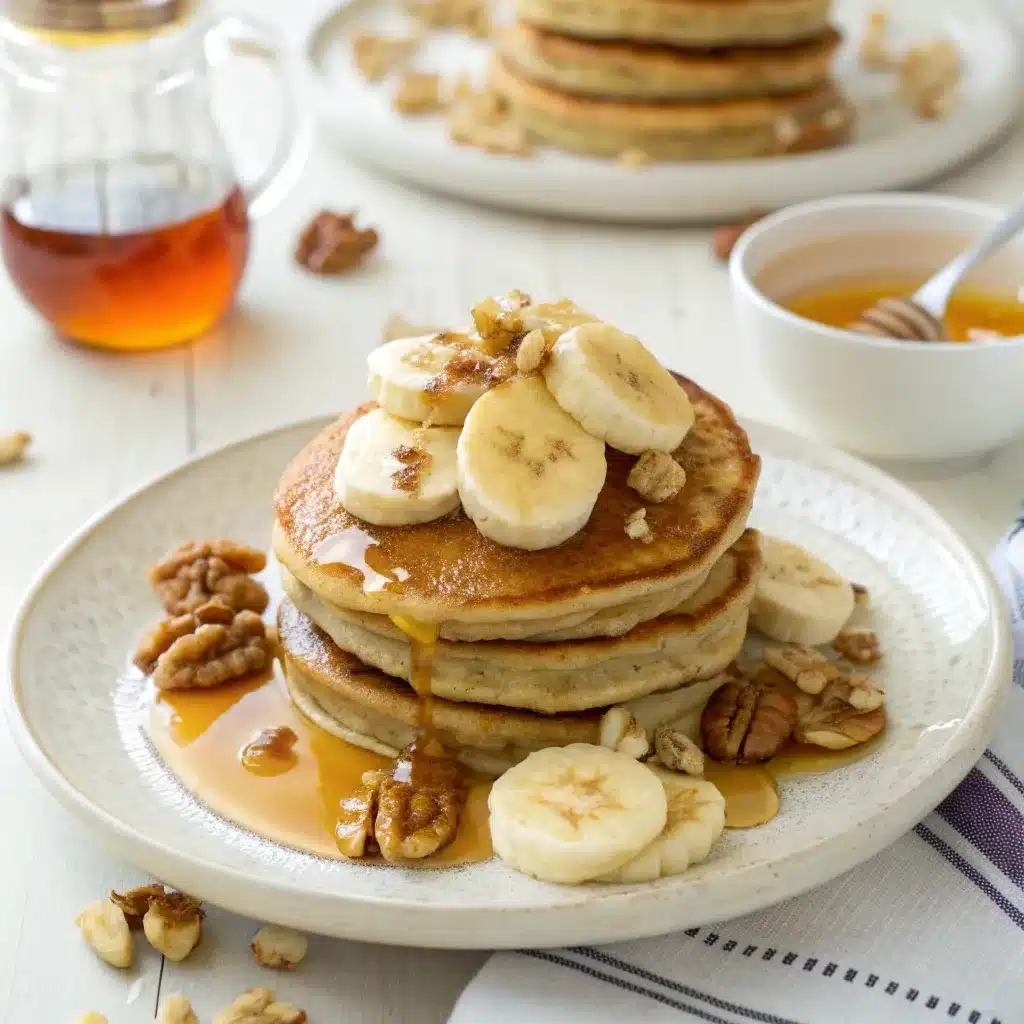
- Banana: You can substitute half the oats for a ripe banana to make Cottage cheese banana pancakes. The pectin in the fruit helps bind the batter, though it will be moister.
Can You Make High-Protein Pancakes Without Protein Powder?
Yes, and honestly, you should.
Whole Food Protein Boosters
What ingredients boost protein without powder? Protein powder often dries out baked goods because it is highly hygroscopic (water-absorbing). Whole foods are superior.
- The Trio: Cottage cheese, Greek yogurt, and egg whites are superior to powder because they add moisture, fat, and structure along with the protein.
- Comparison: A scoop of whey powder might give you 20g of protein, but it often requires oil and milk to make it edible. Cottage cheese gives you the same protein with built-in moisture.
How do you keep them fluffy without protein powder? Rely on the eggs for lift and the acidity of the cheese (reacting with baking powder) for aeration. The chemical reaction between the lactic acid in the cottage cheese and the alkali in the baking powder creates air pockets, ensuring fluffiness without the density of whey concentrate.
Can You Meal Prep Cottage Cheese Pancakes for the Week?
These pancakes are surprisingly resilient and store well, making them ideal for meal prep.
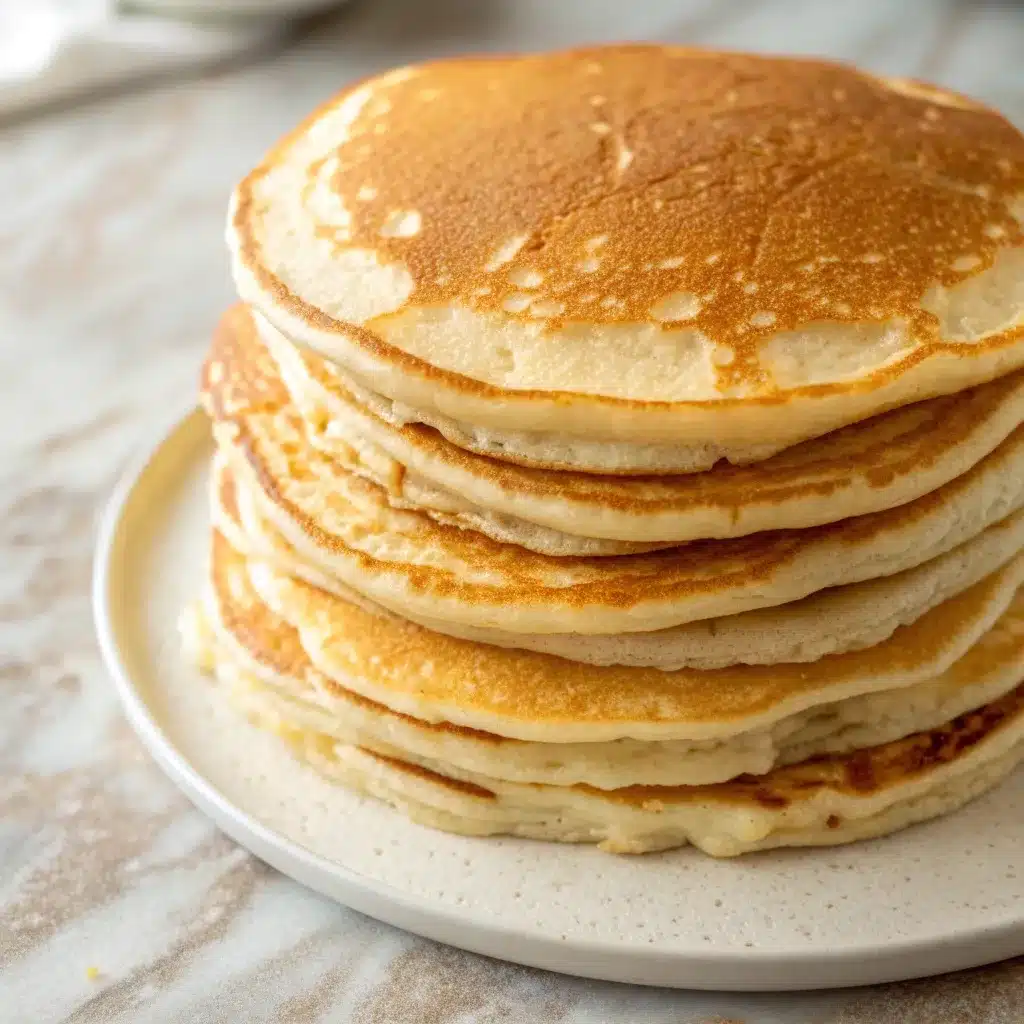
Storage and Reheating Tips
Can you freeze cottage cheese pancakes without getting soggy? Yes.
- Cool: Let them cool completely on a wire rack. If you stack them hot, the steam will make them soggy.
- Stack: Stack them with a square of parchment paper between each pancake to prevent sticking.
- Freeze: Place in a freezer-safe bag. They last for up to 3 months.
What’s the best way to reheat them and keep them fluffy?
- The Toaster: This is the gold standard. Pop the frozen pancake directly into the toaster. It re-crisps the edges and warms the center without making it rubbery.
- Microwave: Avoid if possible. Microwaving tends to make protein-based breads chewy and rubbery.
Frequently Asked Questions
Do cottage cheese pancakes taste eggy?
No. The vanilla extract and cinnamon mask the egg flavor. The ratio of oats to eggs is high enough that it tastes like a baked oatmeal cake rather than an omelet.
Can I make cottage cheese pancakes without flour?
Yes, this recipe is naturally gluten-free if you use certified gluten-free oats. You do not need almond flour or coconut flour.
Why is my pancake batter watery?
It is likely due to the brand of cottage cheese. Some brands have more liquid whey. Drain your cottage cheese if it looks very wet, or simply add an extra tablespoon of oats to the blender to thicken it up.
Why do my pancakes fall apart when flipping?
They are likely too big or haven’t cooked long enough on the first side. Keep them small (3 inches wide) and wait until the edges are visibly dry before attempting to flip.
Is cottage cheese good for baking?
Yes, it is an excellent fat replacer. The USDA notes that cottage cheese retains most of its calcium and protein even after heating, making it a stable ingredient for pancakes, muffins, and breads.
Conclusion
This is a breakfast that feels like a treat but fuels like a meal. Fluffy Cottage Cheese Pancakes prove that you don’t need to compromise on texture or flavor to hit your macros. Whether you are meal prepping for a busy week or making a slow Sunday brunch, this blender recipe delivers consistently delicious results with minimal cleanup.
Need a sweet topping? Crumble my High Protein Edible Cookie Dough on top for a weekend special.
If you want a savory option to pair with this, consider serving it with Avocado Cottage Cheese Toast for a brunch spread that covers all flavor bases.
And for those days when you need a grab-and-go option, try baking a batch of Cottage Cheese Biscuits.