Last updated on April 3rd, 2026 at 07:08 pm
These Cottage Cheese Cheesecake Jars give you the creamy, tangy flavor of classic cheesecake in a lighter, no-bake dessert that is easy to meal prep and satisfying enough for breakfast or a post-workout treat. Made with blended cottage cheese and Greek yogurt, each jar delivers rich texture, balanced sweetness, and serious protein without the heaviness of a traditional slice.
20g protein per jar · no-bake dessert · creamy, tangy, and meal-prep friendly
Cheesecake is usually a “special occasion” dessert loaded with sugar, heavy cream, and enough calories to knock you out for the afternoon. But what if you could eat cheesecake every day—even for breakfast—and actually reach your fitness goals?
These Cottage Cheese Cheesecake Jars replace the heavy cream cheese blocks with a powerhouse blend of cottage cheese and Greek yogurt. The result is a thick, tangy, creamy filling that mimics the real thing perfectly, minus the crash.
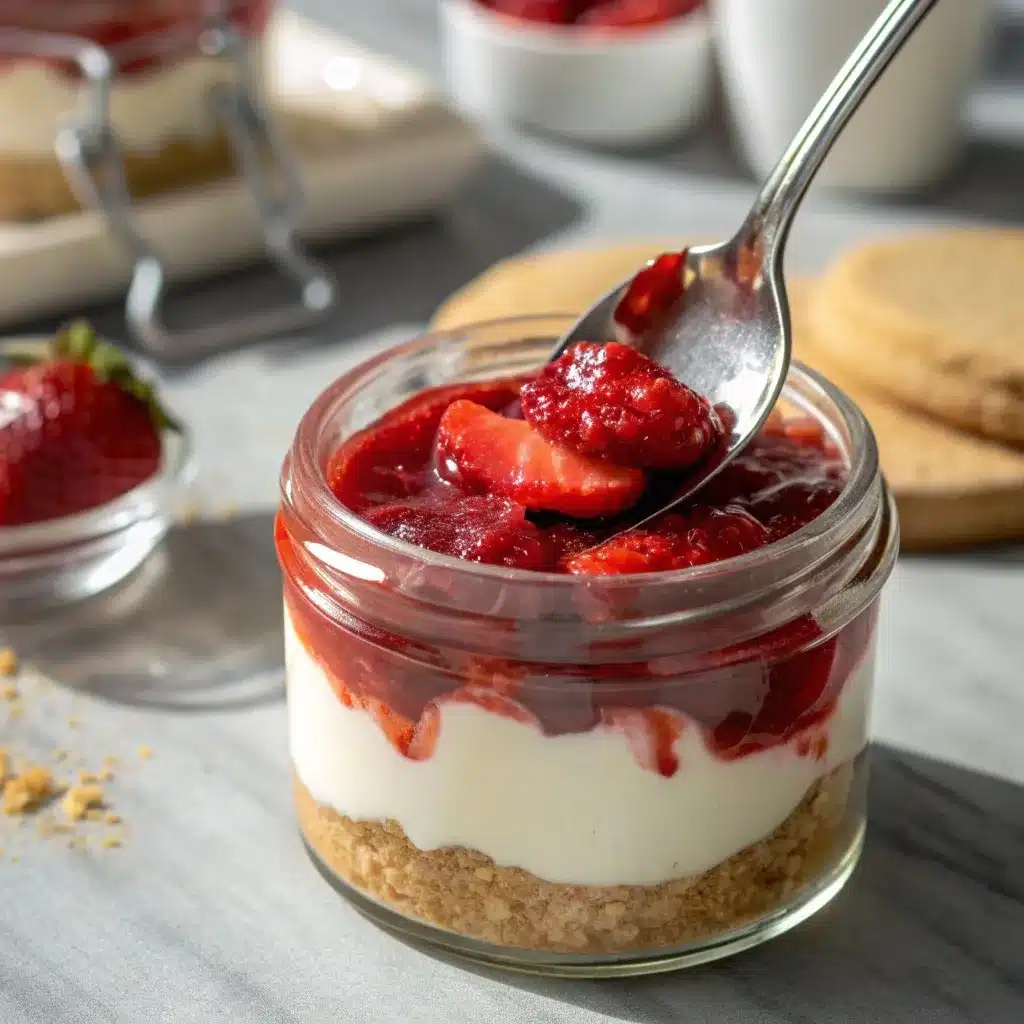
With 20g of protein per jar and zero baking required, these single-serve jars are the perfect meal prep solution for satisfying your sweet tooth without derailing your diet. They have quickly become a fan favorite in my High Protein Cottage Cheese Recipes guide because they prove that “diet food” doesn’t have to be boring.
The beauty of High protein cheesecake jars recipes lies in their versatility. Whether you are meal prepping for a busy work week or looking for a post-workout treat that doesn’t feel like “health food,” this recipe delivers. By utilizing the magic of a high-speed blender, we transform humble, lumpy cottage cheese into a velvety No bake protein cheesecake filling that rivals any New York deli slice.
More of a chocolate lover? Try my High Protein Chocolate Mousse instead for a rich cocoa fix.
Table of Contents
Taste and Texture: Busting the Myths
The concept of “healthified” cheesecake often brings to mind rubbery textures or strange aftertastes. Let’s address the skepticism immediately.
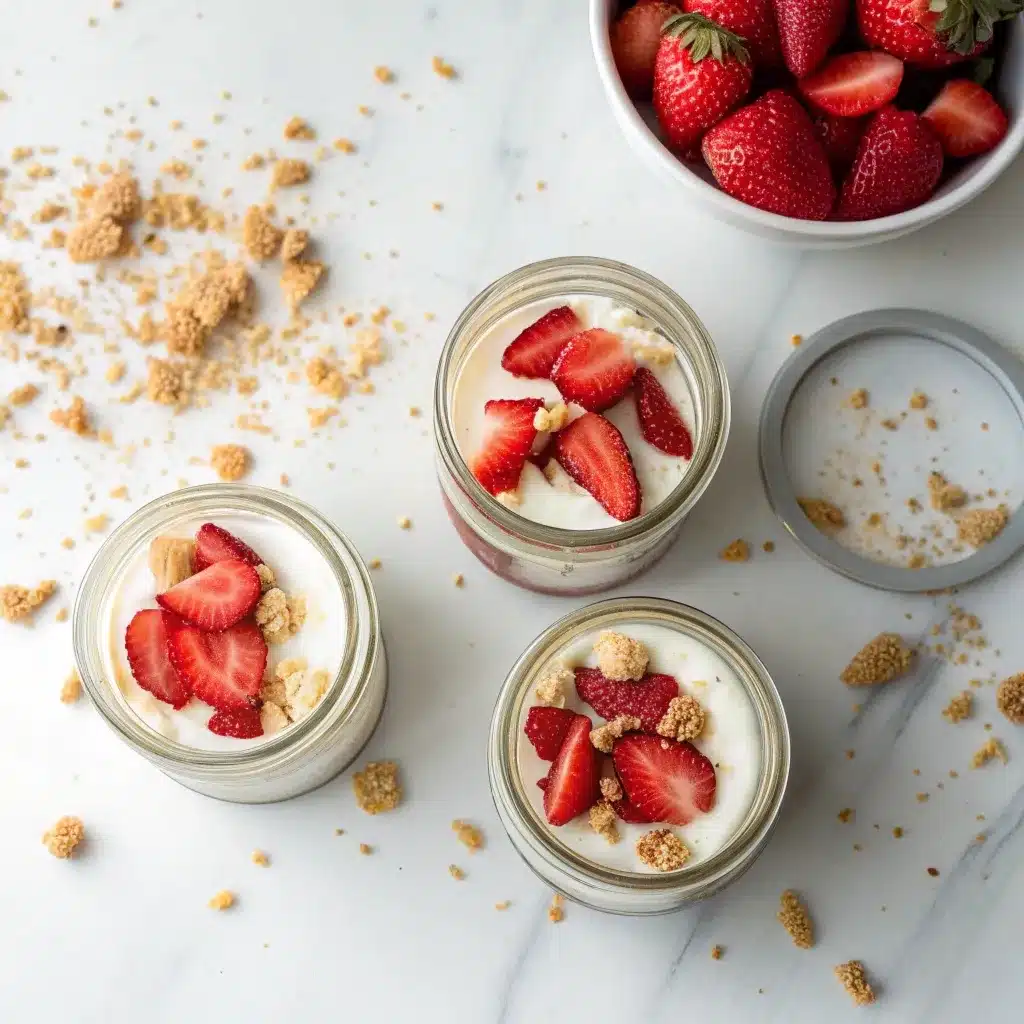
Does It Actually Taste Like Cheesecake?
Do cottage cheese cheesecake jars taste tangy or “cheesy”?
They taste tangy, but in a “cheesecake” way, not a “lasagna” way. Traditional New York cheesecake relies on the acidity of cream cheese and sour cream to cut through the fat. In this recipe, the natural lactic acid in the cottage cheese and Greek yogurt provides that signature tang. Once sweetened with maple syrup and enhanced with high-quality vanilla bean paste, the flavor profile is 95% identical to a traditional cheesecake. The sweetness balances the tartness, creating that classic dessert profile.
Many people worry that a Cottage cheese cheesecake no egg recipe will lack richness. However, the combination of milk fat from the cottage cheese and the density of Greek yogurt creates a mouthfeel that is surprisingly luxurious. It coats the palate just like heavy cream but leaves you feeling energized rather than sluggish.
The Texture Secret: Blending is Key
How do you make cottage cheese cheesecake jars smooth (not grainy)?
The enemy of cottage cheese desserts is graininess. Nothing ruins the illusion of cheesecake faster than a lumpy texture.
- The Fix: You must blend the cheese mixture for at least 2 minutes on high. Do not rely on a standard food processor if you want perfection; a high-speed blender (like a Vitamix or Ninja) ensures the curds are completely pulverized.
- The Acid Trick: If it is still grainy after blending, add a splash of fresh lemon juice. The acid helps relax the protein structure of the curds, allowing them to shear more easily into a smooth emulsion.
High Protein Cottage Cheese Cheesecake Jars
- Total Time: 45 mins
- Yield: 4 Jars
Description
Indulge in dessert for breakfast with these Strawberry Cheesecake Jars. Made with a creamy blend of cottage cheese and Greek yogurt, they offer the rich tang of real cheesecake with 20g of protein and zero baking.
Ingredients
- Crust: 1 cup Graham Cracker Crumbs, 2 tbsp Melted Butter
- Filling: 1.5 cups Cottage Cheese (4%), 1/2 cup Greek Yogurt, 3 tbsp Maple Syrup, 1 tsp Vanilla Paste
- Topping: 1 cup Diced Strawberries, 1 tsp Lemon Juice
Instructions
- Base: Mix crumbs and butter. Press into 4 small jars.
- Filling: Blend cottage cheese, yogurt, syrup, and vanilla on high speed for 2 minutes until perfectly smooth.
- Fill: Spoon the filling over the crust.
- Chill: Refrigerate for 30 minutes to set.
- Top: Mix strawberries with lemon juice. Spoon over the set cheesecake.
Notes
- Keto Option: Use almond flour for the crust and allulose for the sweetener.
- Storage: Keep covered in the fridge for up to 5 days. Add fruit daily to keep it fresh.
- Flavor Twist: Add lemon zest to the filling for a citrus kick.
- Prep Time: 15 mins
- Chill Time: 30 mins
- Category: Dessert
- Method: No-Bake / Blender
- Cuisine: American
Nutrition
- Serving Size: 1 Jar
- Calories: 240 kcal
- Sugar: 12 g
- Sodium: 320 mg
- Fat: 9 g
- Saturated Fat: 4 g
- Carbohydrates: 22 g
- Fiber: 2 g
- Protein: 18 g
- Cholesterol: 25 mg
Why No Bake is Better
Making a No bake protein cheesecake isn’t just about saving time; it’s about preserving texture and nutrition.
The Science of Cold-Setting
Traditional cheesecakes rely on eggs and heat to coagulate proteins and “set” the cake. This can be finicky—overbake it, and it cracks; underbake it, and it’s soup. In this Cottage cheese cheesecake no egg version, we rely on the natural properties of casein protein found in cottage cheese. When blended and then chilled, casein proteins form a gel-like network. This “cold set” method results in a texture that is dense and creamy, similar to a pot de crème, without the risk of drying out in the oven.
Safety and Simplicity
Because this is a Cottage cheese cheesecake no egg recipe, there is absolutely no risk of consuming raw eggs. This makes it safe for everyone, from toddlers to pregnant women, to lick the spoon. It also eliminates the need for water baths, springform pans, and hours of cooling time. You simply blend, pour, and chill.
Ingredients for Healthy Cheesecake Jars
Because this is a no-bake recipe, the quality of your ingredients directly impacts the final flavor. There is no oven heat to mask imperfections.
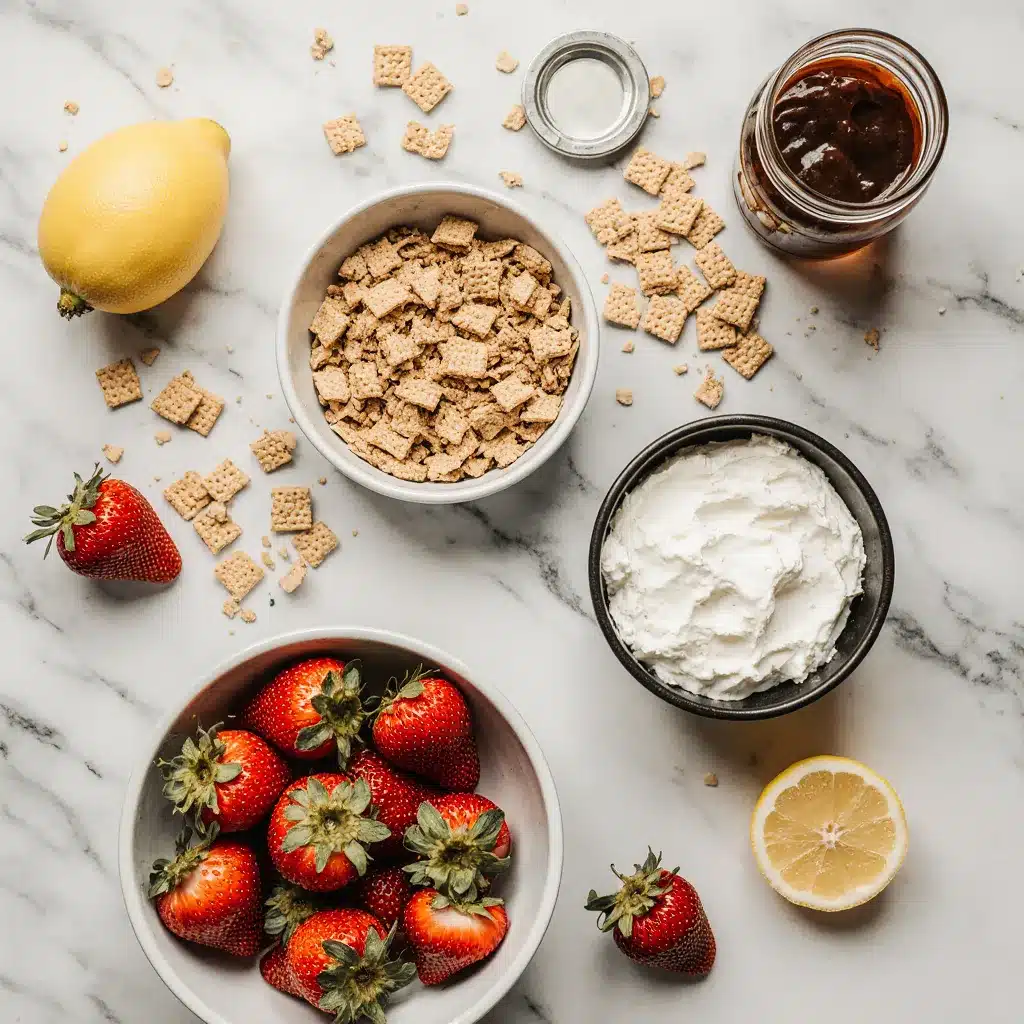
1. The Base (Crust)
The crust provides the necessary textural contrast to the creamy filling. A good Single serve cottage cheese cheesecake needs that crunch at the bottom to mimic the traditional slice experience.
- Classic: Graham cracker crumbs mixed with a little melted butter or coconut oil. This is the gold standard for flavor nostalgia.
- Low Carb: For a Keto high protein cheesecake jar, swap the crackers for almond flour mixed with cinnamon and a keto-friendly sweetener. Walnut or pecan crumbs also work beautifully for a deeper, nuttier flavor.
- What’s the best crust for no-bake protein cheesecake jars? For texture, graham crackers win. They absorb just enough moisture from the filling to become soft yet retain a “cookie” bite, similar to an icebox cake.
2. The Filling
- Cottage Cheese: Use full-fat (4%) small curd cottage cheese. The fat is crucial for a velvety mouthfeel. Fat-free versions will yield a watery, icy texture because they lack the milk solids to emulsify properly.
- Greek Yogurt: This is the thickener. It adds density and extra protein. Use 2% or 5% fat for the best results.
- Sweetener: Maple syrup or honey blends effortlessly into the cold mixture. If you need a lower sugar option, liquid stevia or powdered allulose are excellent choices that won’t leave a gritty texture.
3. The Topping
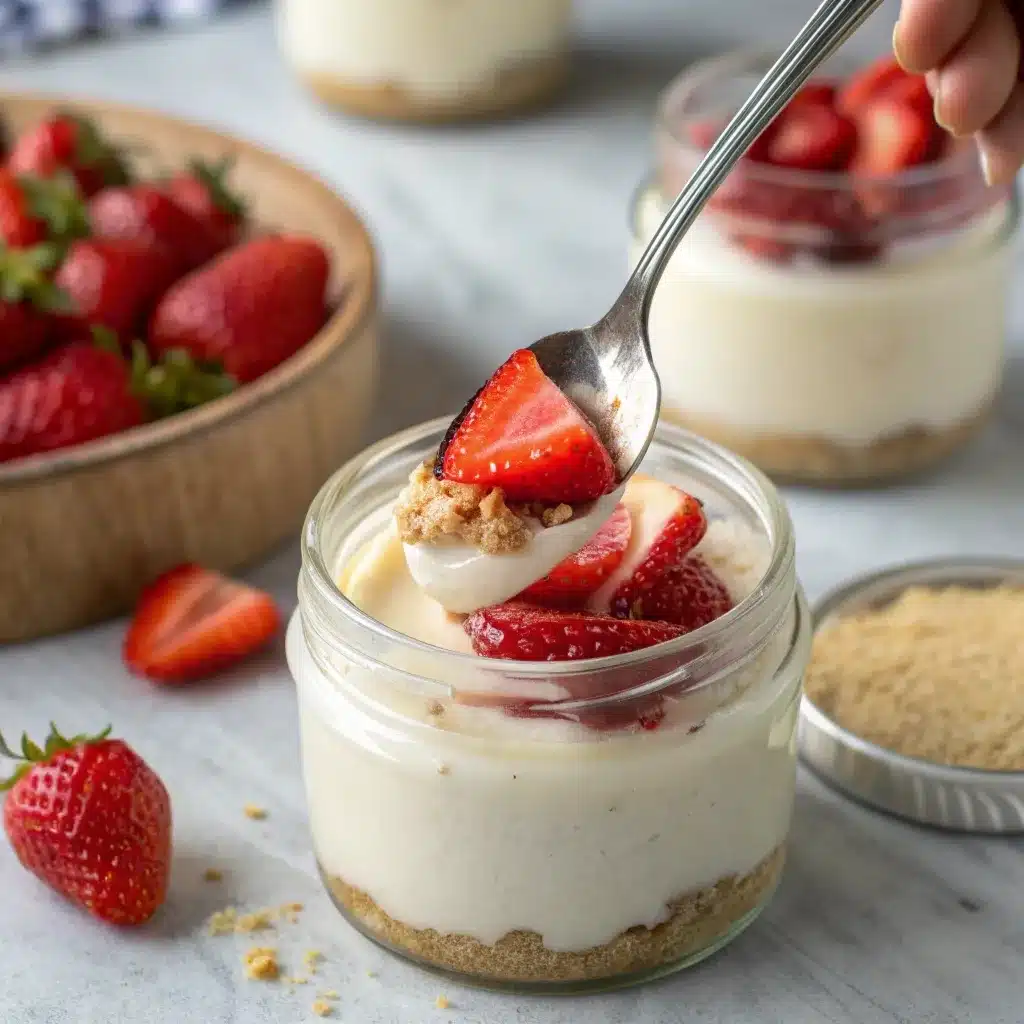
- Strawberries: Fresh strawberries macerated with a little lemon juice and sweetener. The maceration process draws out the natural juices, creating a syrup that drips down into the white filling—a visual hallmark of a great cheesecake.
- Alternatives: You can crumble my High Protein Edible Cookie Dough on top for a decadent “Cookie Dough Cheesecake” vibe.
How to Build Layers That Don’t Mix or Sink
There is an art to constructing a jar dessert so that it looks beautiful and eats well.
Assembly Technique
How do you build layers that don’t mix? Gravity is your enemy here if the filling is too thin.
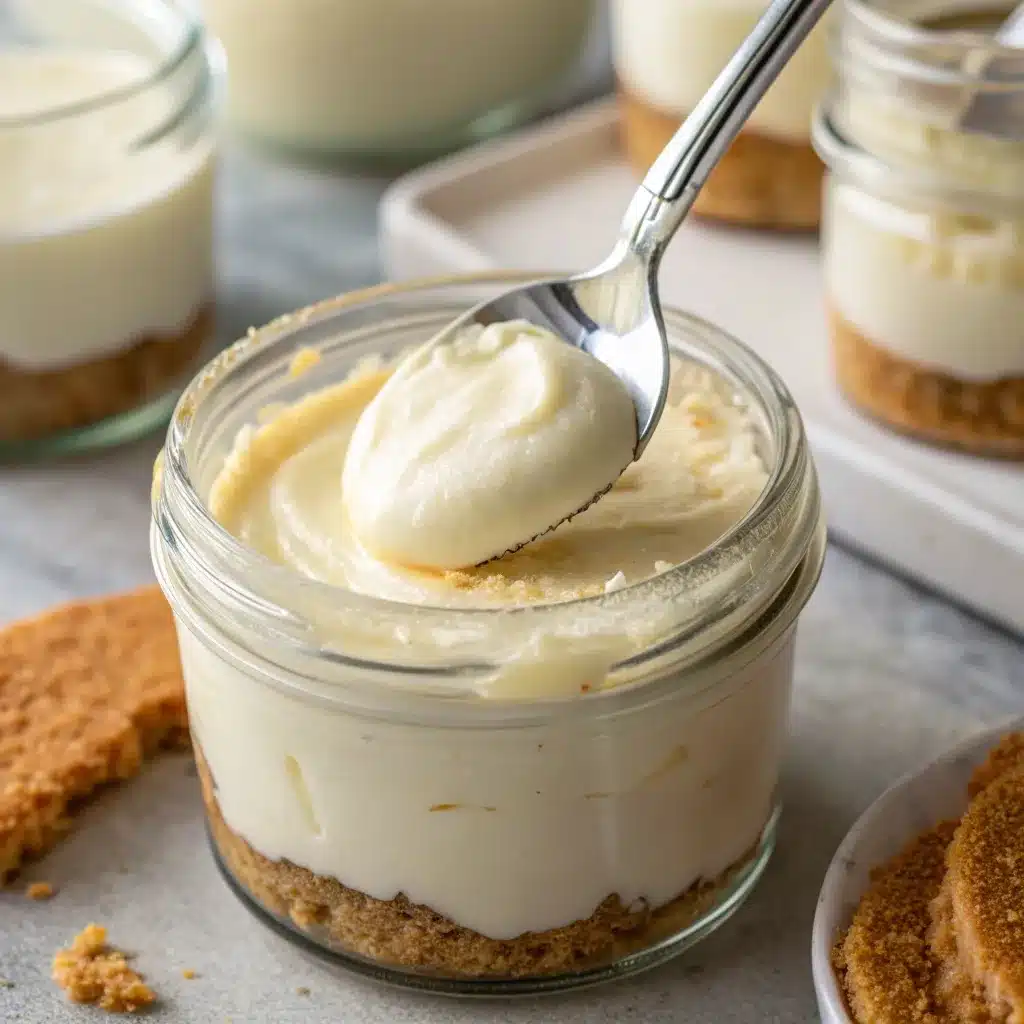
- The Tamp: Pour your crust mixture into the bottom of the jar. Use a muddler or the back of a spoon to pack it down firmly. This creates a solid floor that won’t float up when you add the filling.
- The Spoon: Spoon the thick filling gently on top of the crust. Do not pour it from a height, or it will disturb the crust crumbs and look messy. Use a small spatula to smooth the top layer flat.
- The Chill: Do not add the fruit topping yet! Chill the jars for at least 30 minutes. This allows the surface of the cheesecake to form a “skin” or pellicle.
- The Top: Once set, spoon the macerated fruit (and its juices) on top. If you add it too early, the red juice will bleed into the white cheesecake, ruining the visual layering.
Flavor Variations: Beyond Strawberry
While strawberry is classic, this base recipe is a blank canvas. Here are three gourmet variations to keep your meal prep exciting.
1. Lemon Blueberry Bliss
This variation screams summer and pairs perfectly with the tangy yogurt base.
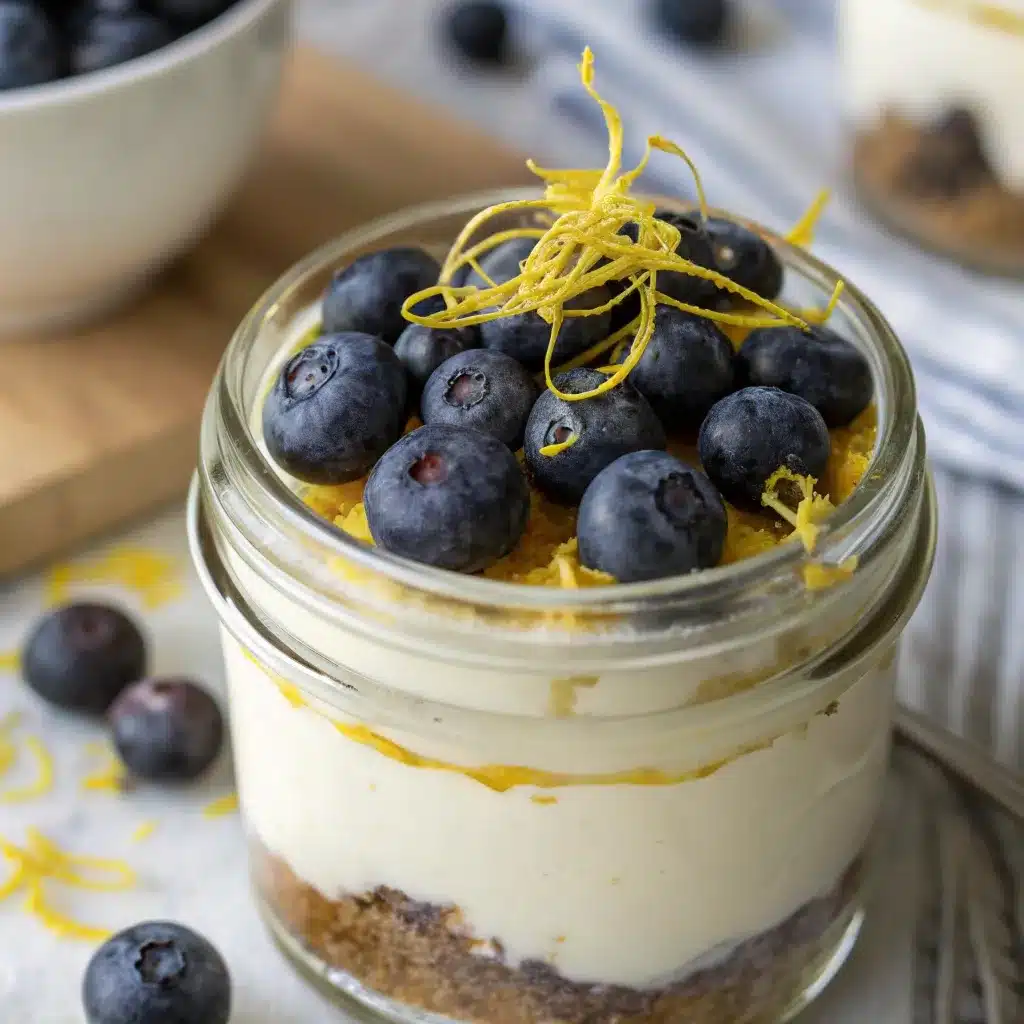
- The Crust: Add 1 tsp of lemon zest to your graham cracker crumbs.
- The Filling: Blend in 1 tbsp of fresh lemon juice and 1 tsp of lemon zest.
- The Topping: Top with fresh blueberries and a drizzle of honey.
2. Chocolate Peanut Butter Cup
For when you need a rich, savory-sweet fix.
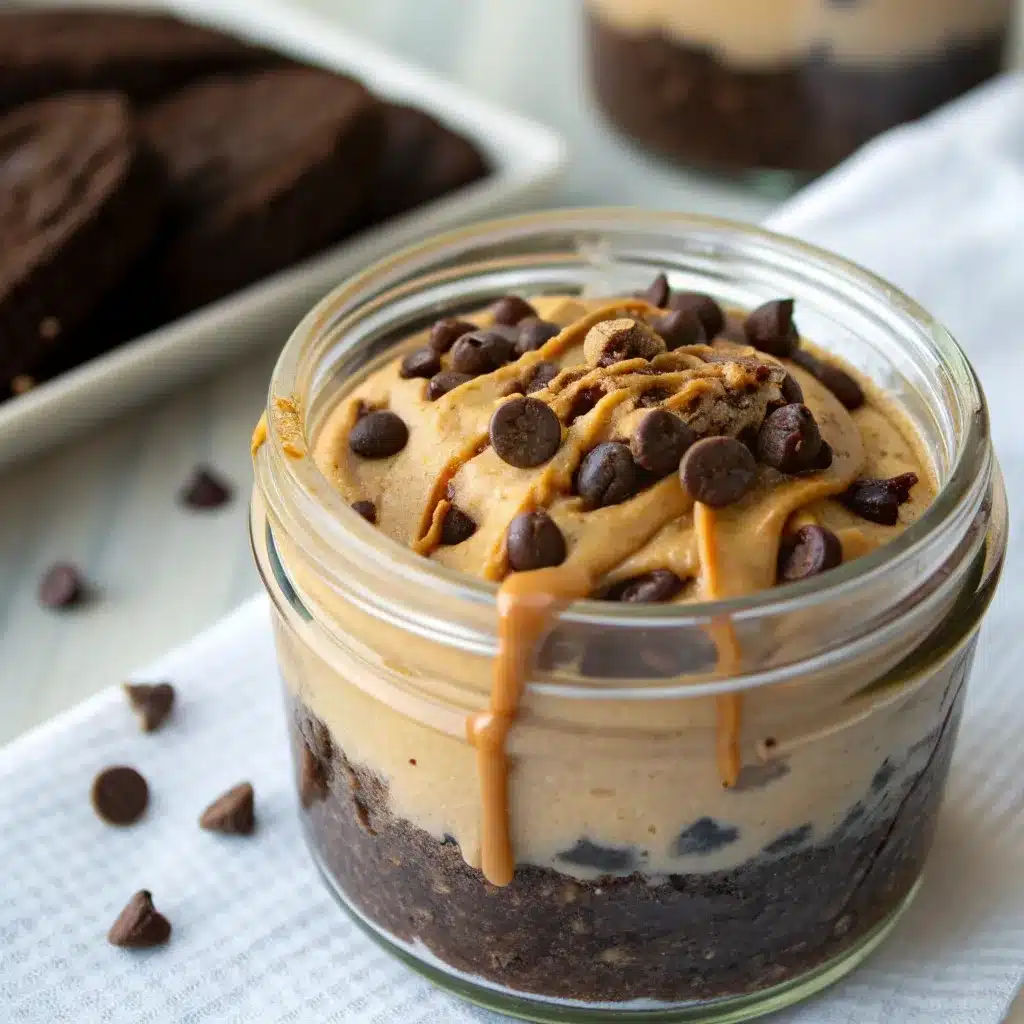
- The Crust: Use chocolate graham crackers or Oreo crumbs (remove the filling).
- The Filling: Blend in 2 tbsp of cocoa powder and 1 tbsp of peanut butter powder (PB2) to keep the fat lower while boosting flavor.
- The Topping: Drizzle with melted natural peanut butter and a few dark chocolate chips.
3. Salted Caramel Pecan
A fall-inspired twist that tastes incredibly indulgent.
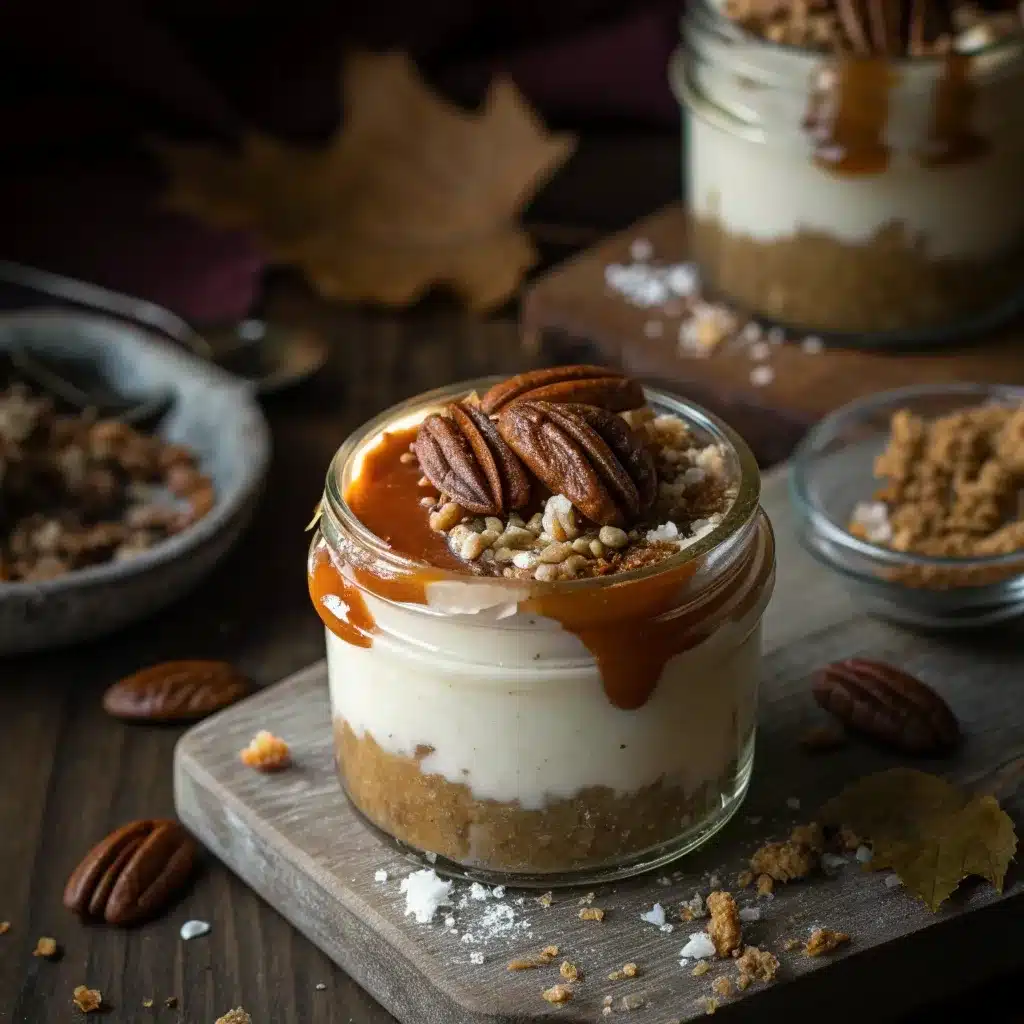
- The Crust: Use crushed pecans mixed with a little maple syrup.
- The Filling: Blend in a pinch of extra sea salt and use brown sugar substitute (like Swerve Brown) for a caramel note.
- The Topping: Top with a sugar-free caramel sauce and a toasted pecan half.
Keto & Dietary Adjustments
This recipe is highly adaptable. Making Keto high protein cheesecake jars is simple with a few smart swaps.
How to Make Keto High Protein Cheesecake Jars Low Carb
The filling of this recipe is naturally keto-friendly (mostly protein and fat). The carbs come primarily from the crust and the sweetener.
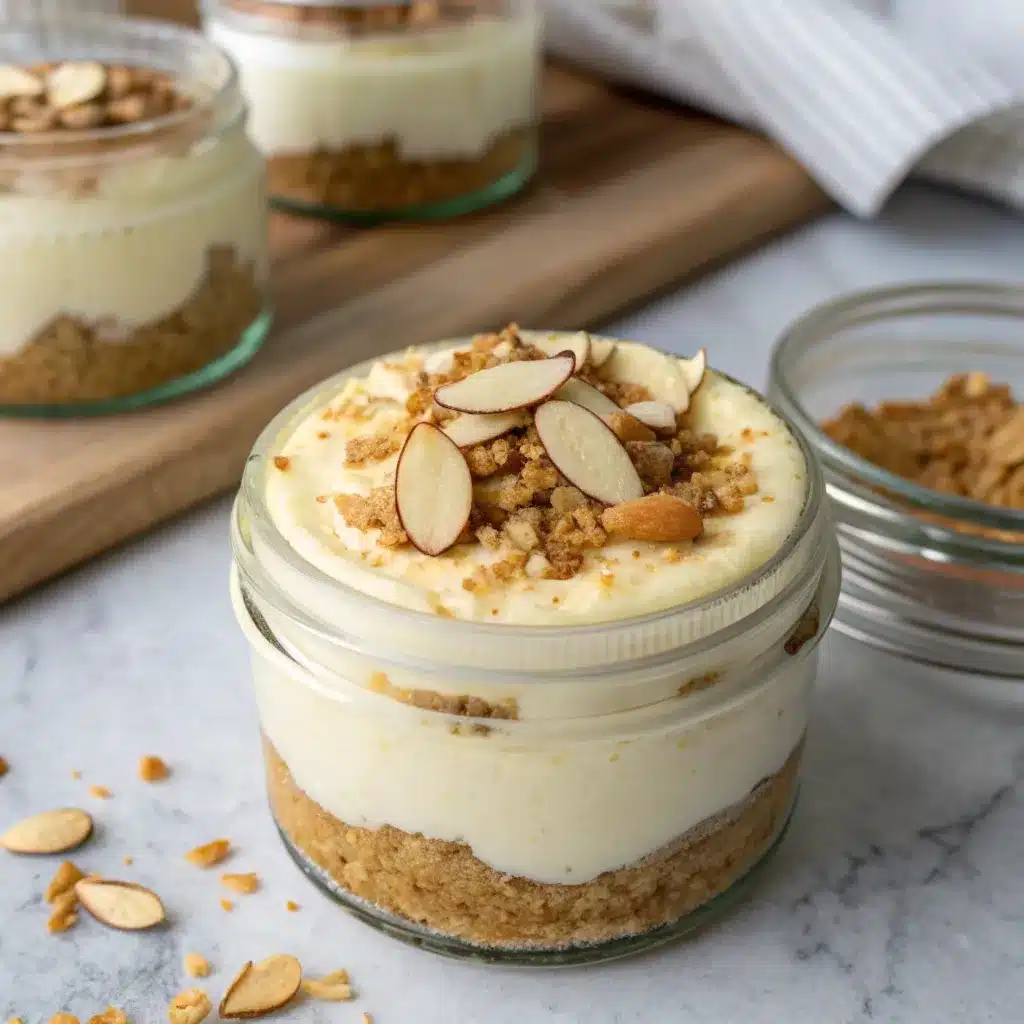
- The Crust Swap: Instead of graham crackers, use Almond Flour. Mix 1 cup of almond flour with 2 tbsp of melted butter and 1 tbsp of a granulated erythritol/monk fruit blend. Bake this loose crumble at 350°F for 5 minutes to toast it before adding to the jars for extra flavor (optional, but recommended).
- The Sweetener: Use powdered Allulose or liquid Stevia. Powdered sweeteners dissolve better in cold mixtures than granular erythritol, which can remain crunchy and unpleasant in a smooth dessert.
Making it Single Serve
One of the biggest benefits of Single serve cottage cheese cheesecake is portion control. It is all too easy to eat half a standard cheesecake in one sitting. By using 8oz mason jars or Weck jars, you create a built-in “stop” button. This recipe makes exactly 4 jars. Having a physical lid means you can toss one in your gym bag without worrying about spills, making it the ultimate portable protein snack.
Meal Prep and Storage
These jars were designed to be made on Sunday and eaten throughout the week, getting better as they sit.
Storing for the Week
How do you meal prep high protein dessert jars for the week? Assemble the crust and filling in the jars and seal them tight.
- Pro Tip: Keep the fruit topping in a separate container. Add the fruit right before eating. If you leave fruit on top for 4 days, the acidity can break down the dairy surface and make it watery.
How long do cheesecake jars last in the fridge? They last 4-5 days. The crust may soften slightly by day 3, becoming more “cake-like” rather than crunchy. Many people actually prefer this texture as it mimics the crust of a cheesecake that has been sitting in a deli case.
Can you freeze cottage cheese cheesecake jars? Yes, but with conditions.
- No Fruit: Freeze them without the fruit topping. Fruit becomes mushy when thawed.
- Thaw: Move them from the freezer to the fridge the night before you want to eat them. Do not microwave them to thaw, or the cheese will curdle and separate, ruining the emulsion.
Nutrition Deep Dive: Why This Works for Weight Loss
The Satiety Factor
A standard slice of cheesecake has about 400-600 calories and less than 5g of protein. These jars have roughly 250 calories and 20g of protein. The high protein content stimulates the release of satiety hormones like GLP-1, keeping you full long after you scrape the jar clean. This prevents the “sugar crash” and subsequent cravings that usually follow dessert.
Calcium Boost
Dairy calcium has been linked to improved fat oxidation. By using both cottage cheese and yogurt, you are getting a massive dose of bioavailable calcium. This isn’t just a treat; it’s a micronutrient-dense meal.
Troubleshooting Your Cheesecake Jars
Even with a simple recipe, things can go wrong. Here is how to fix them.
Problem: The filling is too runny.
- Cause: You likely used a watery brand of cottage cheese, low-fat yogurt, or added too much liquid sweetener.
- Fix: Stir in 1 tablespoon of chia seeds or 1/2 scoop of protein powder (vanilla works best). Let it sit for an hour. The dry ingredients will absorb the excess moisture and thicken the mousse back to a scoopable consistency.
Problem: The crust is falling apart.
- Cause: Not enough binder (butter) or you didn’t pack it tight enough.
- Fix: Add another teaspoon of melted butter to your crumbs until they resemble wet sand that holds its shape when squeezed. Use a shot glass to tamp it down with significant pressure.
Problem: It tastes bland.
- Cause: Cold temperatures dull flavors. A mixture that tastes sweet at room temperature will taste less sweet when chilled.
- Fix: Taste your filling at room temperature before chilling. It should taste slightly too sweet and vanilla-heavy. Once chilled, the flavor will mute to the perfect level.
Frequently Asked Questions
Can I make cottage cheese cheesecake jars no bake?
Absolutely. This entire recipe is designed to be Cottage Cheese Cheesecake Jars no bake. There is no need to turn on the oven, making it perfect for summer meal prep when you don’t want to heat up the house.
Why is my cheesecake filling grainy?
Graininess comes from under-blending. Cottage cheese curds are resilient. You need high speed and time (2+ minutes) to fully emulsify them. A high-powered blender (like a Vitamix) works better than a food processor for this specific texture. If you only have a food processor, blend for 4-5 minutes.
Can I make cottage cheese cheesecake no egg?
Yes. Traditional baked cheesecakes use eggs to set the structure during baking (custard style). Since we are chilling this to set it (using the natural thickness of Greek yogurt and casein protein), eggs are completely unnecessary. This makes the recipe safer and easier.
What’s the best jar size for single-serve cheesecake?
8oz (half-pint) jars are the gold standard. They leave enough room for the crust, a generous serving of filling, and a layer of fruit without overflowing. 4oz jars are good for mini snacks, but they are a bit small for a full high-protein serving.
Conclusion
This is a dessert that works as hard as your gym session. Cottage Cheese Cheesecake Jars prove that you can indulge in creamy, decadent flavors without sabotaging your progress. Whether you enjoy them as a post-workout treat or a high-protein breakfast, they offer the perfect balance of convenience and nutrition.
The next time you are craving something sweet, skip the bakery and reach for your blender. In less than 15 minutes, you can have a week’s worth of High protein cheesecake jars recipes ready to go.
Looking for a breakfast version? You can also serve these alongside High Protein Cottage Cheese Waffles for a brunch spread that covers all flavor bases.