Last updated on October 16, 2026
Lemon Cottage Cheese Mousse is made with cottage cheese, fresh lemon juice, zest and sweetener. A tangy, creamy dessert that needs no baking. The mixture will be soft and spoonable like lemon cheesecake filling after chilling.
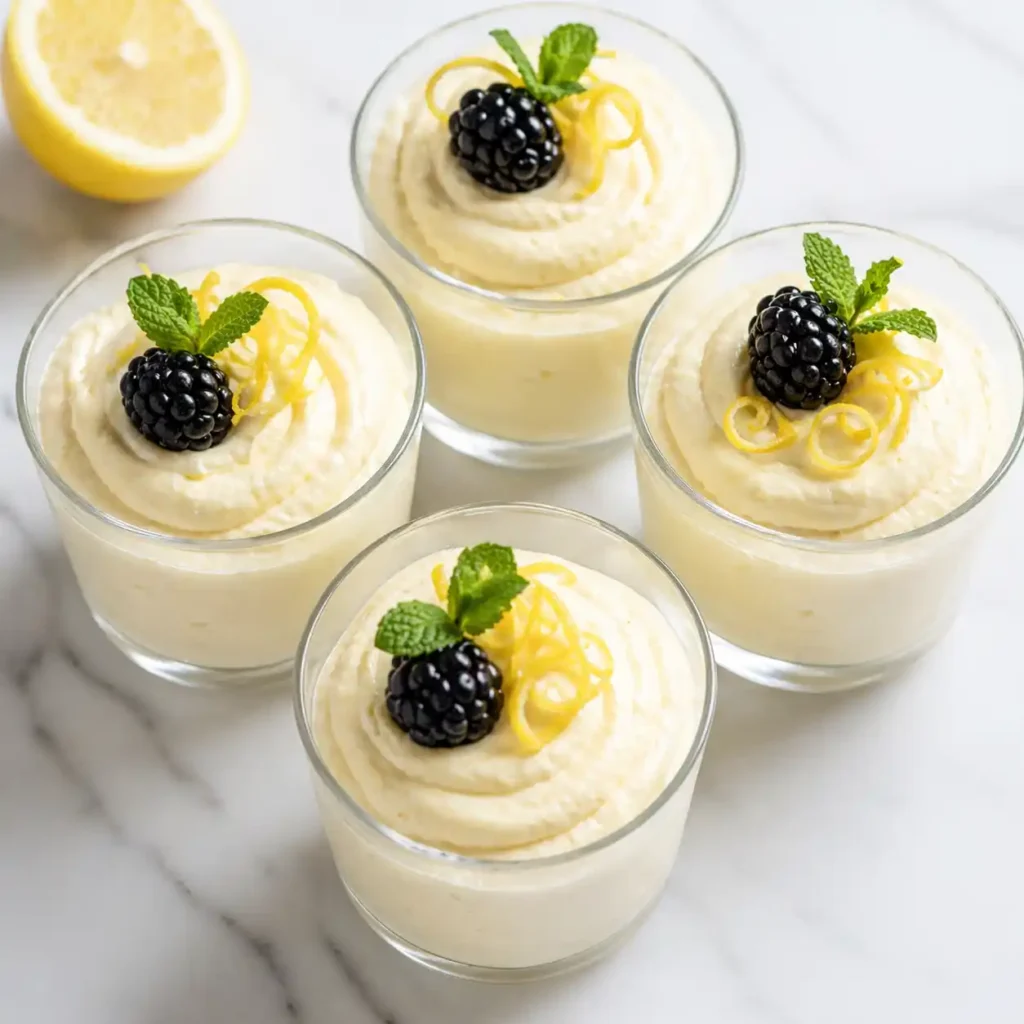
The secret to its bright flavor is the use of both halves of the lemon. Juice provides tartness, and finely grated zest adds citrus aroma without thinning the mousse. Begin with a little juice, taste the mixture and adjust before chilling.
For other variations on this same chilled dessert base, see my collection of cottage cheese mousse recipes, which includes 15 flavors, ranging from vanilla and fruit to chocolate and coffee.
Table of Contents
Why Lemon Cottage Cheese Mousse Works
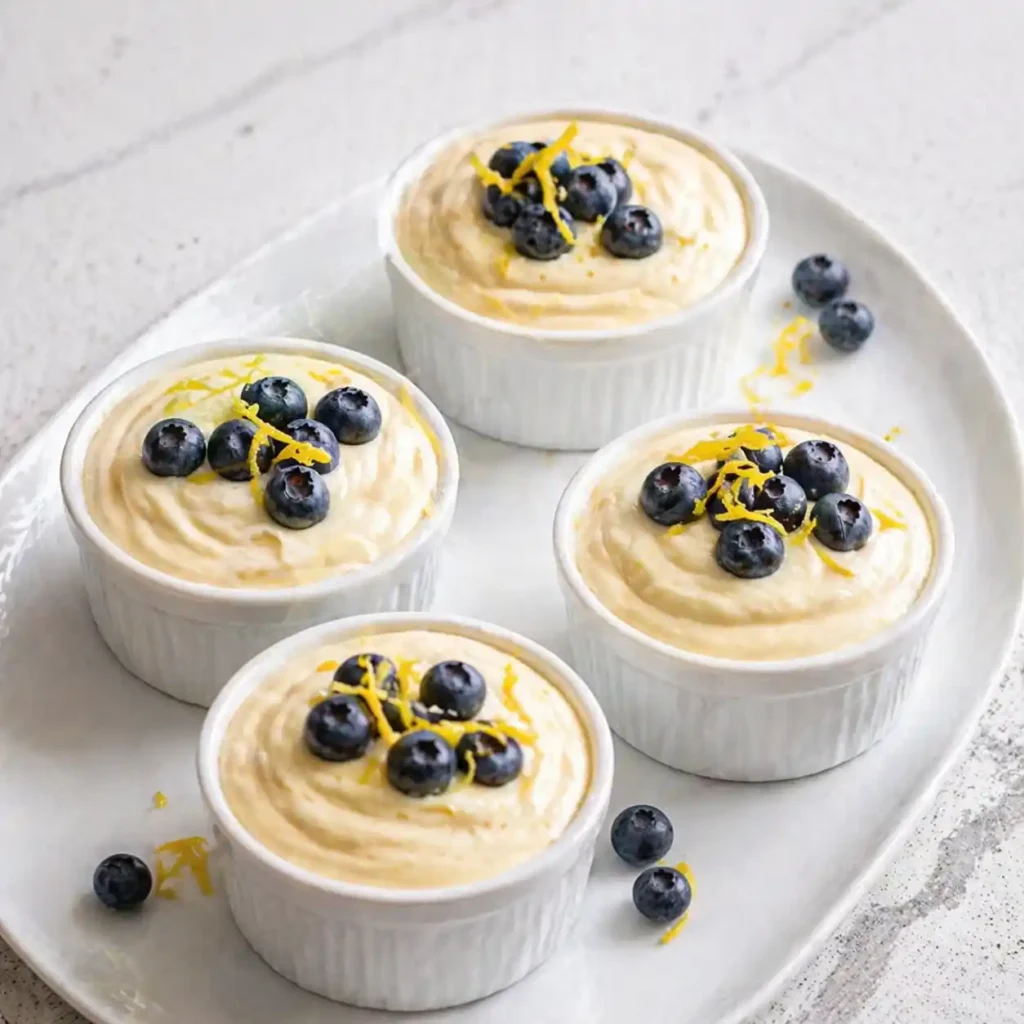
A High Protein Lemon Cottage Cheese Mousse
Cottage cheese creates a protein-rich base without needing heavy cream or a cooked custard. Its naturally mild tang pairs well with lemon, giving the finished dessert a creamy character without the stronger flavors of chocolate or nut butter.
Tart Lemon Balances the Creamy Base
The contrast between fresh citrus and mild dairy keeps the flavor lively. Lemon brings a sharp, refreshing finish, while sweetener rounds out the acidity so the dessert tastes balanced rather than overly sour.
A Lemon Cheesecake Mousse-Style Finish
After blending and chilling, the mixture develops a smooth, tangy consistency reminiscent of lemon cheesecake filling. It remains softer than a traditional set cheesecake, making it suitable for small chilled dessert cups.

Lemon Cottage Cheese Mousse:
- Total Time: 2 hours 10 minutes
- Yield: 4 Servings 1x
Description
This Lemon Cottage Cheese Mousse combines thick cottage cheese, fresh lemon juice, zest, and sweetener into a creamy no-bake dessert. It takes about 10 minutes to prepare and becomes thicker after chilling for 1 to 2 hours.
Ingredients
- 2 cups Full-Fat Cottage Cheese (4% or thick brand preferred)
- 2–3 tbsp Fresh Lemon Juice (adjust to your preferred tartness)
- 1 tbsp Freshly Grated Lemon Zest
- 1/4 cup Maple Syrup, Honey, or Monk Fruit (adjust to taste)
- 1 tsp Pure Vanilla Extract
- 1/2 tsp Unflavored Gelatin (optional, for a much firmer cheesecake-like set)
Instructions
- Prep the Base: In a high-speed blender or food processor, add the full-fat cottage cheese, fresh lemon juice, lemon zest, your chosen sweetener, and vanilla extract.
- Blend Until Smooth: Blend on high for 1 to 2 minutes. Pause to scrape down the sides with a spatula if necessary. Do not rush this step! Blending longer ensures you completely remove the grainy curd texture, resulting in a silky-smooth, creamy mousse.
- Taste and Adjust: Taste the mixture directly from the blender. Because lemon can be quite tart, this is the best time to add an extra splash of sweetener or vanilla if needed before it sets.
- Portion and Chill: Divide the blended mousse evenly into 4 small glass jars, ramekins, or dessert glasses. Cover them tightly and refrigerate for at least 1 to 2 hours. Chilling allows the mousse to thicken properly and helps the flavors round out beautifully.
- Serve: Serve chilled, optionally garnished with a little extra fresh lemon zest or a sprinkle of crushed graham crackers to highlight that classic cheesecake flavor!
Notes
- Runny Mousse Fix: If your cottage cheese is very watery, strain it through a fine-mesh sieve for 30 minutes before blending. Using too much lemon juice without enough thick base will thin out the mousse’s structure.
- Storage: Store securely covered in the refrigerator for up to 3 to 4 days. Do not freeze, as the texture will become icy and separate when thawed.
- Prep Time: 10 minutes
- Chill Time: 2 hours
- Category: Dessert
- Method: No Bake, Blended
- Cuisine: American
Nutrition
- Serving Size: 1 jar
- Calories: 135 kcal
- Sugar: 11g
- Sodium: 325mg
- Fat: 4.5g
- Saturated Fat: 2g
- Unsaturated Fat: 2g
- Carbohydrates: 13g
- Fiber: 0.5g
- Protein: 14g
- Cholesterol: 17mg
Ingredients for a Creamy Lemon Mousse
The ingredients are simple, but each has a different function. The base is cottage cheese, the tartness is offset with lemon juice, and the zest gives the dessert its signature citrus aroma. Sweetener and vanilla help tie those flavors together, with optional gelatin for those who like a firmer finish.
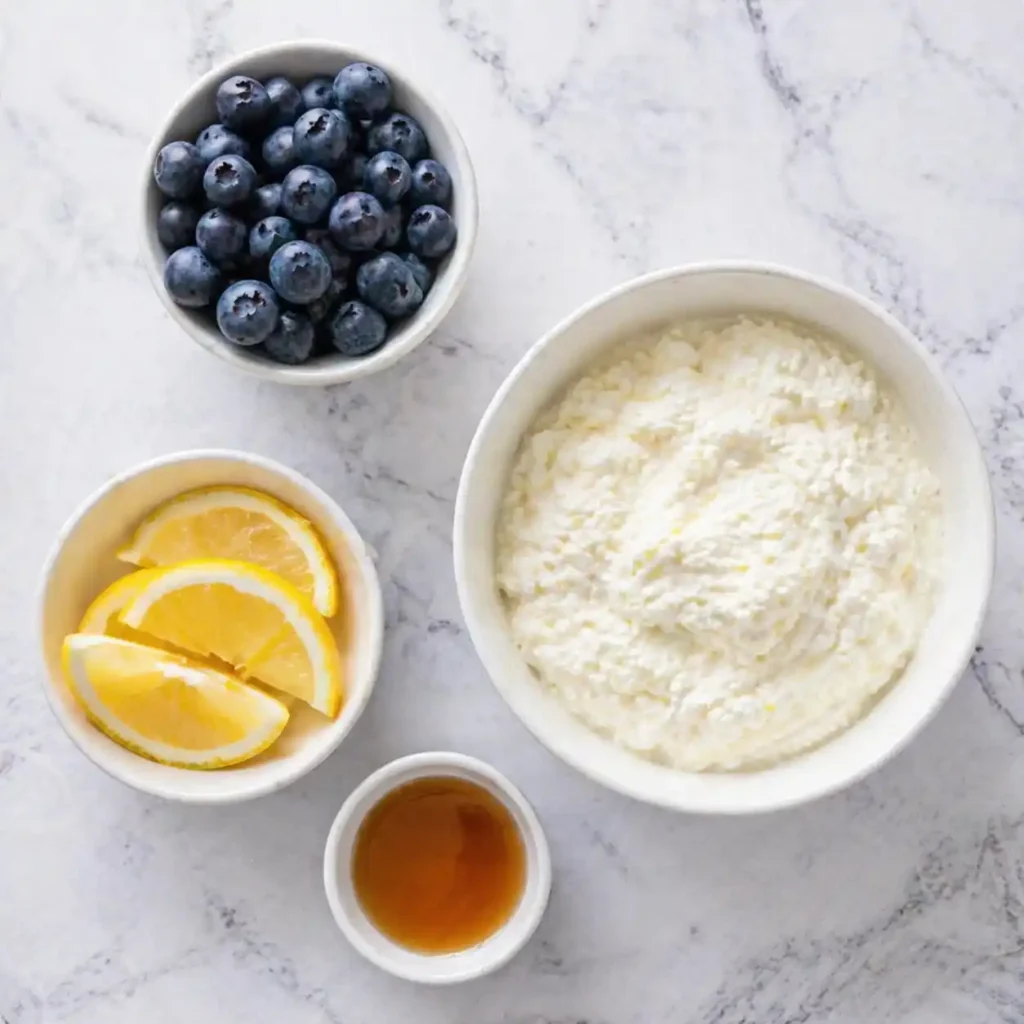
Cottage Cheese Provides the Creamy Base
Thick, full-fat cottage cheese gives the mousse its creamy body and mild dairy flavor. The recipe uses 2 cups, preferably a thick 4% variety, which helps the mixture maintain a spoonable consistency after the lemon juice is added.
A noticeable amount of excess whey can make the finished dessert softer, so choosing a thicker cottage cheese is especially useful in this citrus version.
Fresh Lemon Juice Controls Tartness
The amount of juice is one of the most important flavor choices in this cottage cheese lemon mousse. The recipe allows 2 to 3 tablespoons of freshly squeezed lemon juice, depending on how tart you want the finished dessert.
Fresh lemons vary in acidity, so the same quantity may taste slightly different from one batch to another. Lemon juice also contributes liquid, which is worth keeping in mind when choosing a cottage cheese with a softer consistency.
Lemon Zest Adds Aroma Without Extra Liquid
Lemon zest contains aromatic oils that give the mousse a more pronounced citrus fragrance. Finely grated zest distributes the flavor throughout the creamy base without adding the moisture that comes from extra juice.
When preparing the lemon, grate only the yellow outer peel and avoid the white pith underneath, which can taste bitter.
King Arthur Baking’s guide to using lemon explains how zest contributes aromatic lemon flavor while juice provides acidity and tartness. Using both gives the finished mousse a more complete citrus profile.
Sweetener Balances the Lemon
The recipe offers maple syrup, honey, or a monk fruit sweetener to balance the sharp citrus flavor. Each option brings a slightly different sweetness profile, so the best choice depends on the flavor you prefer.
Maple syrup and honey blend easily into the creamy mixture. Monk fruit sweeteners vary by formulation, so choose a product intended for recipe use and follow its sweetness-conversion guidance.
Vanilla and Optional Gelatin
Vanilla extract rounds out the sharper lemon notes and gives the finished dessert a softer, more familiar sweetness. It remains a background flavor rather than competing with the citrus.
The recipe card also includes optional unflavored gelatin for a firmer, more cheesecake-like result. Without that optional addition, the mousse is best understood as a soft, chilled dessert that can be served directly from individual cups.
Quick Reference: Ingredient Roles & Substitutions
| Ingredient | Main Role | Best Choice | High-Value Note |
|---|---|---|---|
| Cottage cheese | Creamy protein base | Thick, full-fat cottage cheese | A thicker variety helps maintain body when lemon juice is added. |
| Lemon juice | Tartness and acidity | Freshly squeezed lemon juice | The recipe uses 2 to 3 tablespoons, depending on your preferred tartness. |
| Lemon zest | Citrus aroma | Finely grated yellow lemon zest | Adds aromatic citrus flavor without increasing the liquid content. |
| Sweetener | Balances lemon acidity | Maple syrup, honey, or suitable monk fruit sweetener | Sweetness varies by product, particularly with sugar-free alternatives. |
| Vanilla extract | Rounds out the citrus flavor | The vanilla specified in the recipe card | Adds a softer background flavor that balances the sharper lemon notes. |
| Gelatin | Optional firming ingredient | Unflavored gelatin, optional | Included in the recipe as an option for a firmer cheesecake-style finish. |
For a version that lets the creamy base take center stage without the sharp citrus flavor, try this vanilla cottage cheese mousse. Its mild flavor also makes it easy to customize with different toppings.
How to Make Lemon Cottage Cheese Mousse
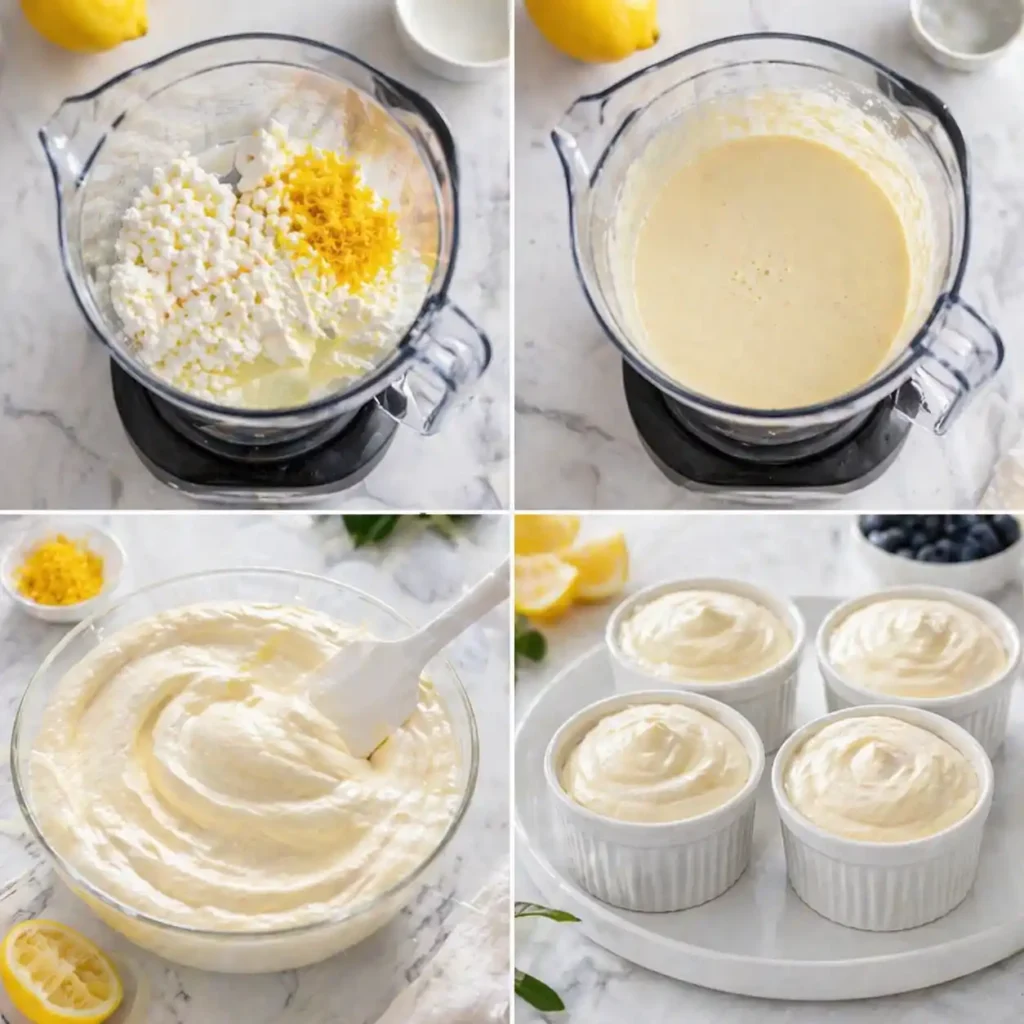
Step 1: Combine the Ingredients
- Action: Add the cottage cheese, fresh lemon juice, grated zest, sweetener, and vanilla extract to a high-speed blender or food processor, following the quantities in the recipe card.
- Result: All the ingredients are ready to blend into a uniform lemon-flavored base.
Step 2: Blend Until Creamy
- Action: Blend on high for 1 to 2 minutes, pausing to scrape down the sides as needed.
- Result: The mixture becomes smooth and creamy, with the cottage-cheese curds blended into the base and the citrus evenly distributed.
Step 3: Taste and Adjust
- Action: Taste the blended mixture before dividing it into dessert cups. Adjust the sweetness or vanilla if needed, as described in the recipe card.
- Result: A balanced no bake lemon mousse with a fresh citrus flavor and enough sweetness to soften the tartness.
Step 4: Portion and Chill
- Action: Divide the mixture among four small dessert cups or ramekins, cover, and refrigerate for 1 to 2 hours.
- Result: A chilled, creamy dessert that becomes more spoonable as it rests. Serve with a little fresh zest or crushed graham crackers if desired.
For the same bright lemon flavor in a snack you can pack rather than a chilled dessert, try these no-bake coconut lemon energy balls. Coconut gives them a different texture while keeping the citrus flavor.
Expert Tips for Better Lemon Mousse
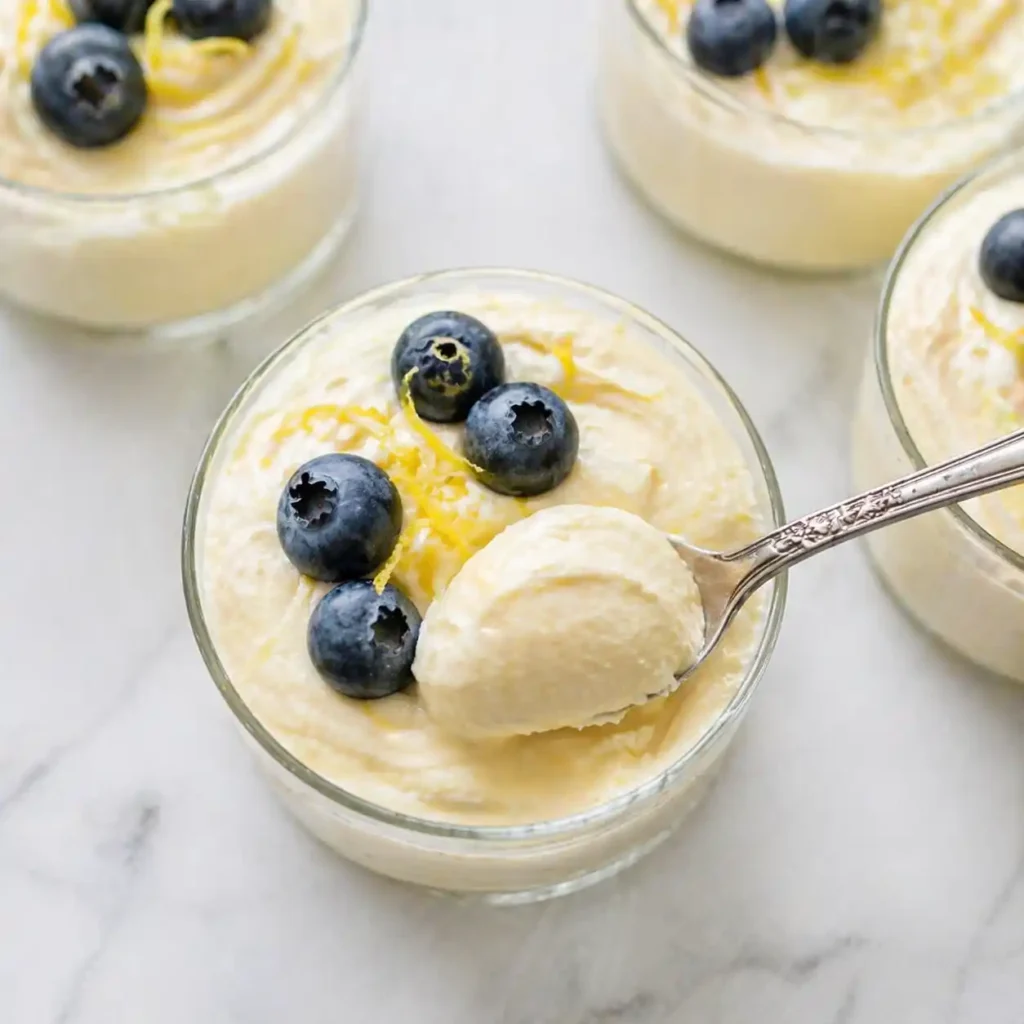
Balance the Lemon Without Losing Its Freshness
The lemon should taste bright rather than overwhelmingly sour. If the finished mixture tastes sharper than you prefer, a small adjustment to the sweetener can help soften the acidity.
Zest and juice affect the flavor differently: juice contributes tartness, while zest strengthens the lemon aroma. Understanding that difference makes it easier to recognize which flavor needs adjusting.
When the Texture Resembles Lemon Pudding
This dessert is naturally creamy and spoonable rather than airy like a traditional whipped mousse. That softer texture also makes it suitable as a lemon cottage cheese pudding served in individual cups.
The recipe includes optional gelatin for a firmer cheesecake-style finish, but the standard blended version can be enjoyed as a soft chilled dessert.
Choose Cottage Cheese With a Balanced Salt Level
Cottage cheese brands vary in sodium content, and lemon’s sharp flavor may make saltiness more noticeable. If your preferred brand produces a mousse that tastes too salty, choosing a lower-sodium cottage cheese can help maintain a more balanced citrus flavor.
This matters more in a lightly flavored lemon dessert than in a stronger cocoa or peanut-butter mixture.
Use Fresh Zest for a More Fragrant Finish
Freshly grated lemon zest contributes aromatic citrus oils that are less prominent in bottled juice. For the cleanest flavor, avoid grating the bitter white pith.
A little extra zest on top can also provide a fresh citrus aroma when the dessert is served.
Choose Toppings That Complement the Lemon
Blueberries, raspberries, and crushed graham crackers pair naturally with the tangy mousse. Berries add fruit sweetness, while graham crackers create a cheesecake-inspired contrast.
Add crunchy toppings immediately before serving so they retain their texture.n enjoyed straight from the fridge. Freezing usually changes the creamy consistency too much once it thaws out.
Raspberries offer a different kind of tartness while keeping the same creamy dessert format. If you enjoy that sharp-sweet combination, try this raspberry cottage cheese mousse for a more fruit-forward variation.
More Cottage Cheese Mousse Flavors to Try
Blueberry Cottage Cheese Mousse
Blueberry and lemon are a natural flavor pairing. This blueberry cottage cheese mousse brings a sweeter berry flavor to the chilled cottage-cheese base.
Coconut Cottage Cheese Mousse
For a milder tropical direction, this coconut cottage cheese mousse offers a softer flavor without the same sharp citrus finish.
Lemon Cottage Cheese Mousse FAQ
A Bright Lemon Dessert Worth Making Again
This lemon cottage cheese dessert combines tangy citrus with a creamy dairy base. Fresh juice gives it a bright flavor, while the zest adds a more fragrant lemon finish that makes each spoonful distinctive.
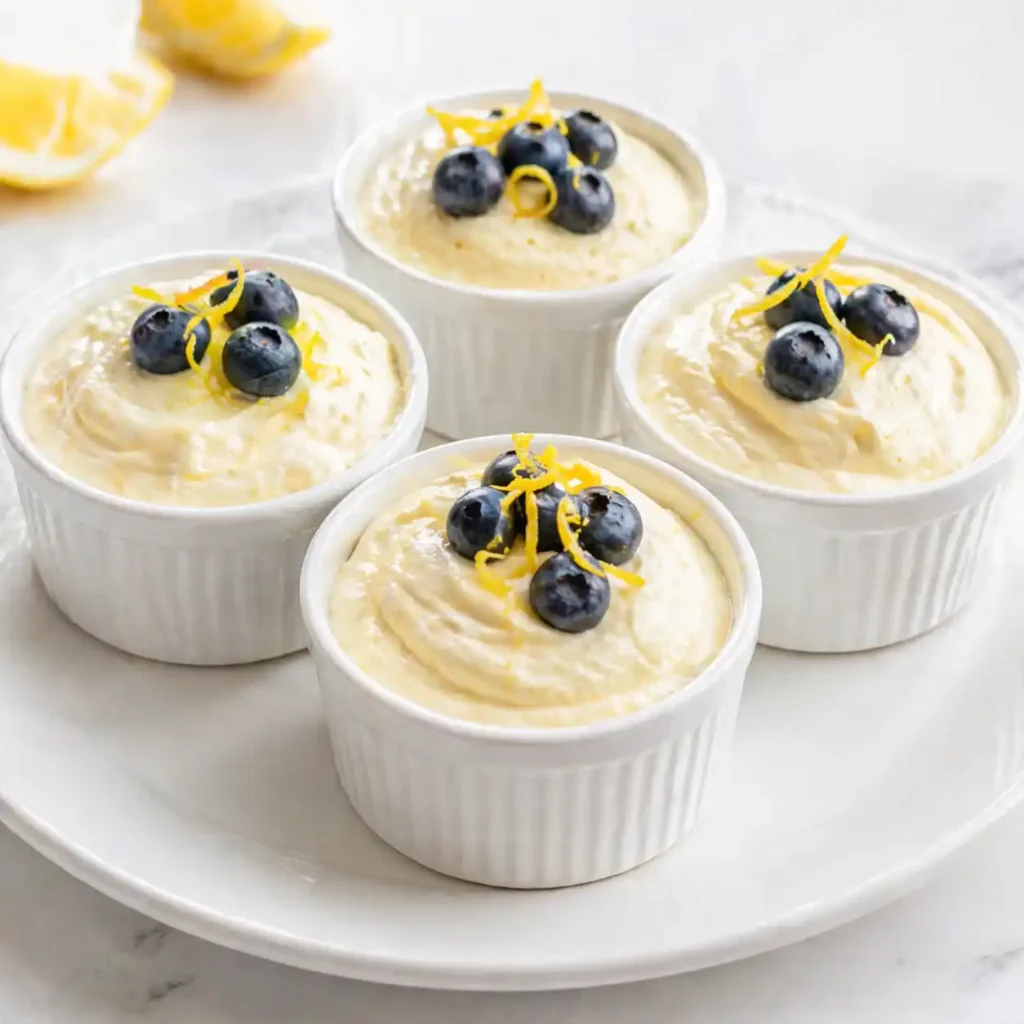
Served chilled, the mousse has a soft, spoonable consistency with a flavor reminiscent of lemon cheesecake. It works well in individual dessert cups with fruit or a little crunchy topping.
For a sweeter fruit variation, my strawberry cottage cheese mousse offers a creamy berry dessert with a milder finish.