Last updated on October 12, 2026
Mango Cottage Cheese Mousse is a no-bake dessert made with cottage cheese, ripe mango and sweetener. Each serving provides around 13 grams of protein. The texture is smooth and spoonable once blended and chilled, somewhere between the texture of mango pudding and that of a soft mousse.
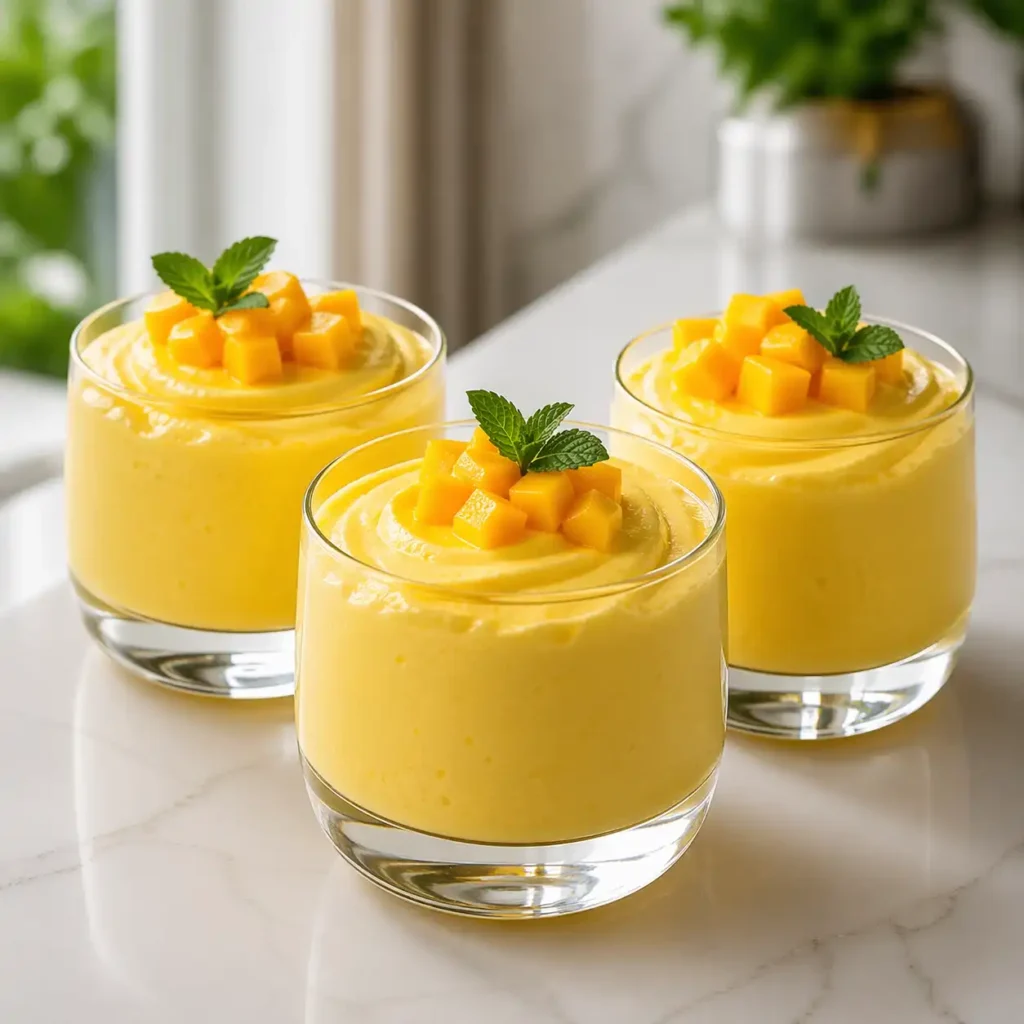
The ripe mango adds natural sweetness, bright color and a fresh tropical flavor, while the cottage cheese provides the creamy, protein-rich base for the dessert. The active prep is no more than about five minutes before chilling
If you like this simple blend-and-chill kind of thing, check out my cottage cheese mousse recipes roundup for 15 creamy flavors all based on the same easy dessert method.
Table of Contents
Why You’ll Love This High Protein Mango Dessert
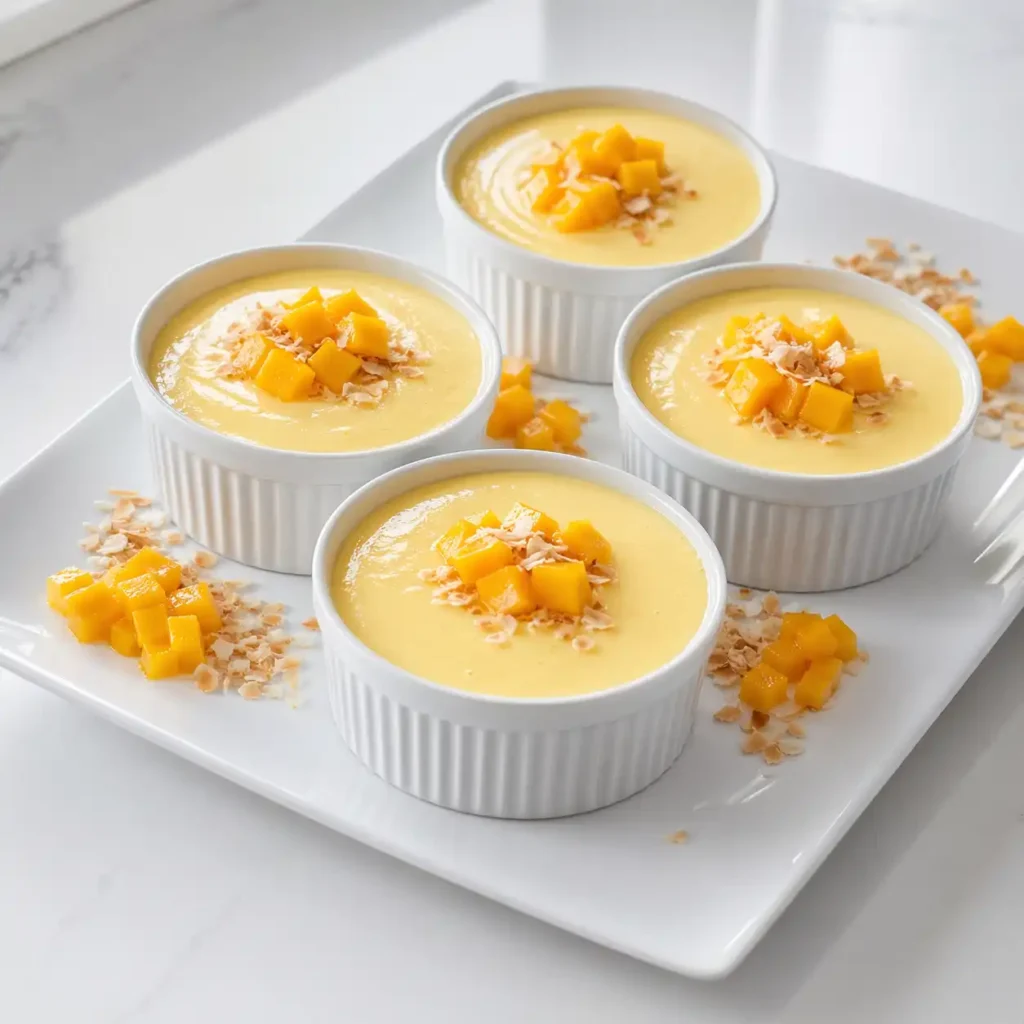
A High Protein Mango Dessert With a Light Tropical Finish
Cottage cheese gives this high protein mango dessert its creamy base while keeping the finished mousse lighter than richer chocolate or nut-butter versions. After chilling, the texture becomes thick enough to spoon while still feeling fresh and fruit-forward.
Mango Adds Sweetness, Color, and Tropical Flavor
Ripe mango naturally brings sweetness, bright yellow color, and a smooth tropical flavor, so the mousse stays fresh without needing a long ingredient list or much added sweetener. Cleveland Clinic notes that mango also provides fiber and several vitamins, including A, B6, C, E, and K.
The Texture Falls Between Mango Pudding and Mousse
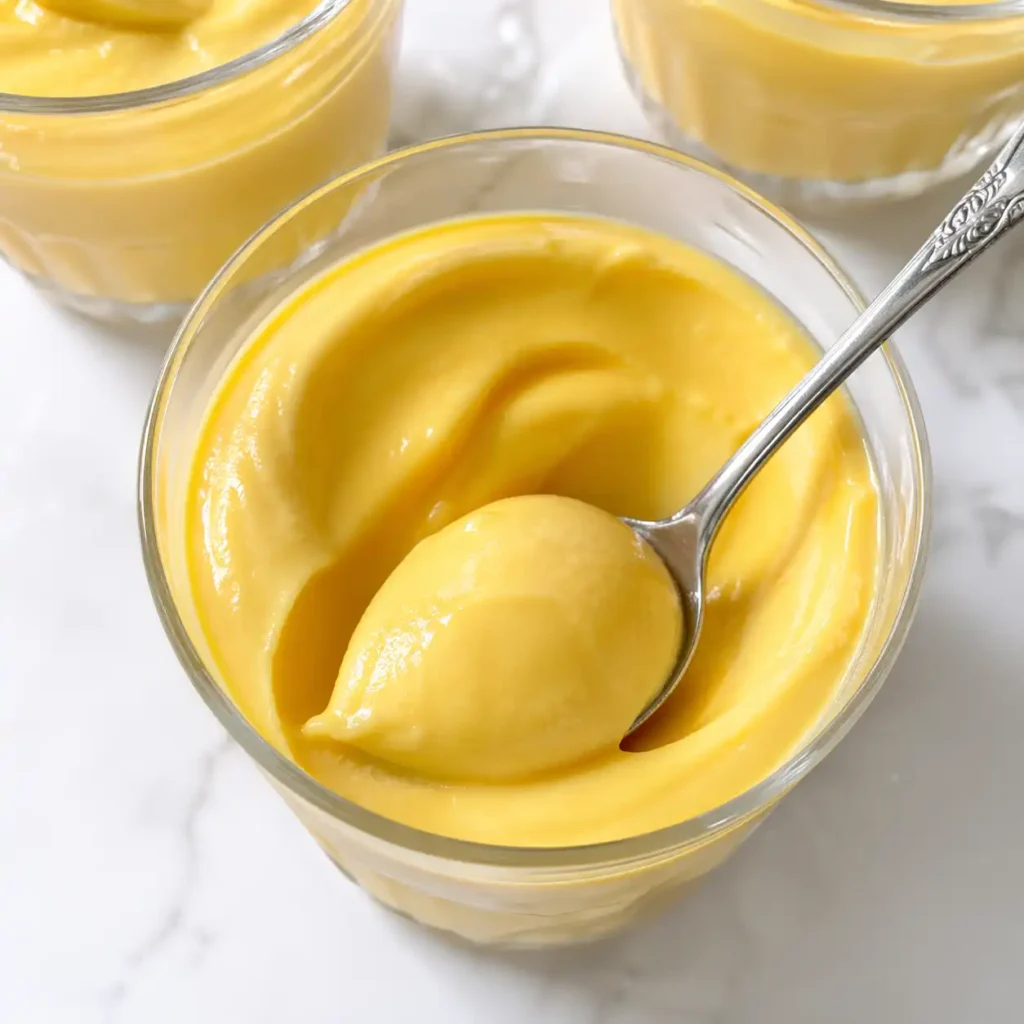
Once chilled, the mixture becomes thicker than a smoothie but softer than a set cheesecake filling. That middle ground is what gives the mango cottage cheese pudding and mousse styles their creamy, spoonable finish.

Mango Cottage Cheese Mousse
- Total Time: 2 hours 5 minutes
- Yield: 4 servings 1x
Description
This Mango Cottage Cheese Mousse is a silky, no-bake dessert that pairs cottage cheese, ripe mango and sweetener and has about 13 grams of protein per serving. Takes 5 minutes to prepare and thickens into creamy mousse texture after chilling.
Ingredients
- 2 cups Thick cottage cheese (2% or 4% milkfat preferred for creaminess)
- 1 ½ cups Fresh ripe mango chunks (or thawed frozen mango)
- 2 to 3 tablespoons Honey, maple syrup, or agave (adjust based on the mango’s natural sweetness)
- 1/4 teaspoon Pure vanilla extract (optional, but rounds out the flavor beautifully)
- 1/2 teaspoon Unflavored gelatin (optional, only if you prefer a firm cheesecake-style set)
- Fresh diced mango or toasted coconut flakes (optional, for garnish)
Instructions
- Blend the Base: Add the cottage cheese to a high-speed blender or food processor. Blend on high for 1 to 2 minutes, stopping to scrape down the sides with a rubber spatula as needed. Continue blending until the mixture is completely silky smooth and absolutely no curds remain.
- Add Flavor: Add the fresh mango chunks, your chosen sweetener, and the optional vanilla extract to the blender.
- Incorporate & Adjust: Blend again for 30 to 45 seconds just until the mango is completely puréed into the smooth base and the mixture turns a beautiful, vibrant yellow. Taste the mixture. If your mango was particularly tart, add an extra tablespoon of sweetener.
- Portion and Chill: Pour the beautifully blended mousse evenly into 4 small glass jars or ceramic ramekins. Cover tightly and refrigerate for at least 1 to 2 hours to allow the mousse to set and thicken into a pudding-like texture.
- Serve: Serve chilled. Top with fresh diced mango, a dollop of whipped cream, or a sprinkle of toasted coconut flakes right before eating!
Notes
- Texture Tip: Do not rush the blending step! A high-speed blender is your best friend here. Blending for a full two minutes ensures you completely eliminate the cottage cheese texture, providing a smooth canvas for the fruit.
- Frozen Mango: If using frozen mango, let it thaw slightly and drain any excess liquid before blending so your mousse doesn’t become too thin. Frozen mango creates a colder, thicker, gelato-style texture!
- Make it Sugar-Free: Easily make this keto-friendly by using your favorite powdered sugar-free sweetener (like monk fruit) instead of honey.
- Storage: Store the jars covered in the refrigerator for up to 4 days. Do not freeze solid to thaw later, as the water content from the fruit will separate.
- Prep Time: 5 minutes
- Category: Dessert / Snack
- Method: No Bake
- Cuisine: American / Tropical
Nutrition
- Serving Size: 1 serving
- Calories: 145 kcal
- Sugar: 16 g
- Sodium: 180 mg
- Fat: 3.5 g
- Saturated Fat: 1.5 g
- Unsaturated Fat: 1.5 g
- Carbohydrates: 18 g
- Fiber: 1.5 g
- Protein: 13 g
- Cholesterol: 10 mg
Ingredients for a Creamy 3 Ingredient Mango Dessert
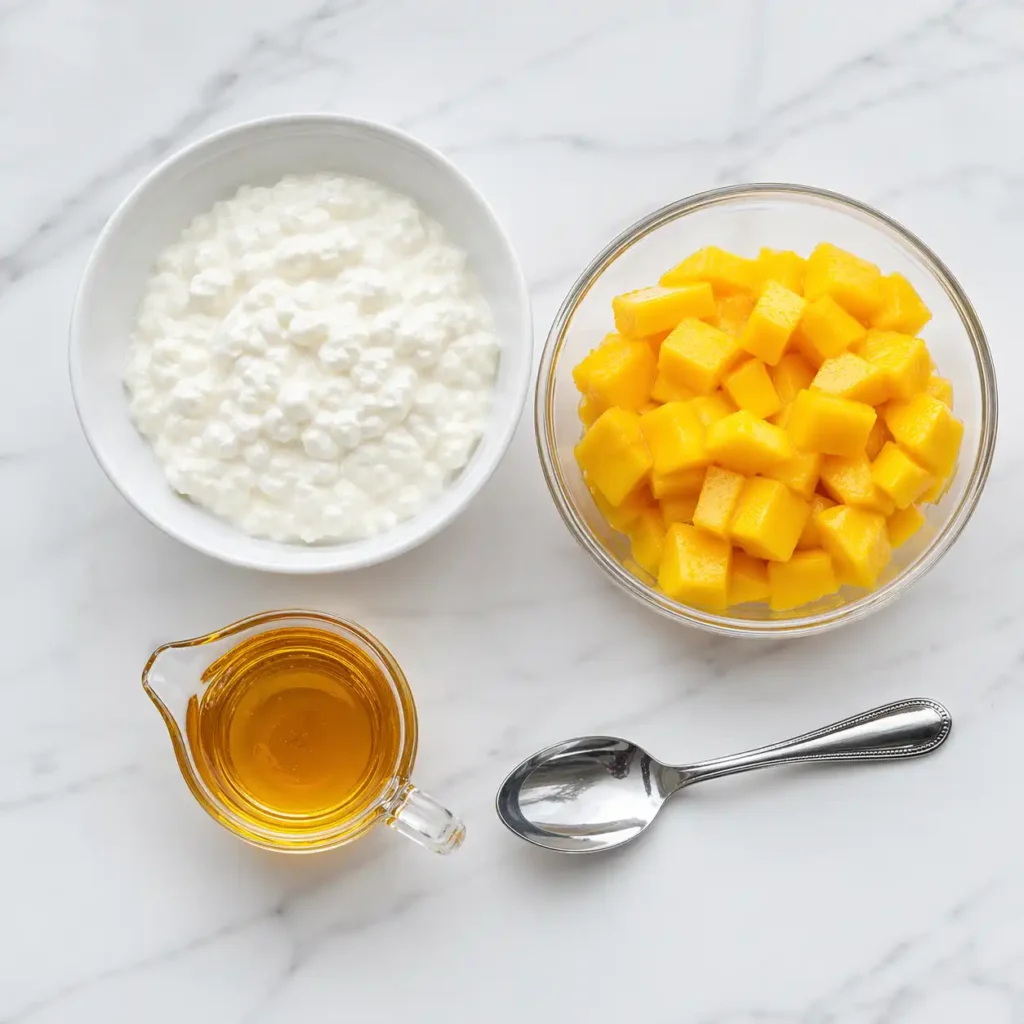
Use exactly these simple items to guarantee the best silky texture:
- 2 cups Thick cottage cheese (2% or 4% milkfat)
- 1 ½ cups Fresh ripe mango chunks (or thawed frozen mango)
- 2 to 3 tablespoons Honey, maple syrup, or agave (adjust to taste)
- 1/4 teaspoon Vanilla extract (optional, but recommended)
- 1/2 teaspoon Unflavored gelatin (optional, for a firmer set)
Cottage Cheese Creates the Creamy Base
Thick 2% or 4% cottage cheese gives the mousse more body and usually blends into a smoother, more stable base. Lower-fat versions can still work, but they are more likely to produce a softer mango whipped cottage cheese texture once the fruit is added.
What fat percentage is best for a creamy mousse?
4% cottage cheese usually gives the thickest, smoothest result because it holds up better against the moisture in the mango.
Mango Adds Flavor, Color, and Natural Sweetness
Fresh ripe mango gives the brightest flavor and most predictable texture, but frozen mango also works when thawed and drained first. Extra fruit moisture can loosen the mousse, so controlling that liquid is important for a thicker finish.
Can I use frozen mango instead of fresh?
Yes. Thaw frozen mango first and drain off any excess liquid before blending. Frozen mango often gives a colder, slightly thicker result, but too much melted liquid can make the mousse runny.
Choose a Sweetener That Blends Smoothly
Honey and maple syrup blend easily but add a little extra liquid, while powdered sweeteners help keep the mousse slightly thicker. Start with the smaller amount and adjust after tasting the mango.
Optional ingredients for a firmer finish
A small amount of unflavored gelatin can help if you want a firmer set, but it is optional. Thick cottage cheese, properly drained fruit, and enough chilling time are usually enough for a soft mousse texture.
Quick Reference: Ingredient Roles & Substitutions
| Ingredient | Main Role | Best Choice | High-Value Note |
|---|---|---|---|
| Cottage cheese | Protein base and creamy body | 2% or 4% cottage cheese | Thicker cottage cheese creates a smoother, more stable mousse and holds up better against the moisture in the mango. |
| Mango | Tropical flavor, color, and natural sweetness | Fresh ripe mango | Frozen mango also works, but thaw and drain it first so excess liquid does not make the mousse runny. |
| Sweetener | Balances the tanginess of the cottage cheese | Honey, maple syrup, or powdered sweetener | Liquid sweeteners blend easily but can soften the texture slightly, while powdered sweeteners help keep the mousse thicker. |
| Vanilla extract | Rounds out the mango and dairy flavors | Pure vanilla extract | Optional, but a small amount helps soften the dairy tang and gives the mousse a more finished dessert flavor. |
| Gelatin | Optional structure | Unflavored gelatin, used sparingly | Only needed when you want a firmer set; thick cottage cheese, drained fruit, and enough chilling time are usually sufficient. |
For another fruit-forward mousse with a sharper berry flavor, this raspberry cottage cheese mousse keeps the same creamy blend-and-chill format.
How to Make Mango Cottage Cheese Mousse
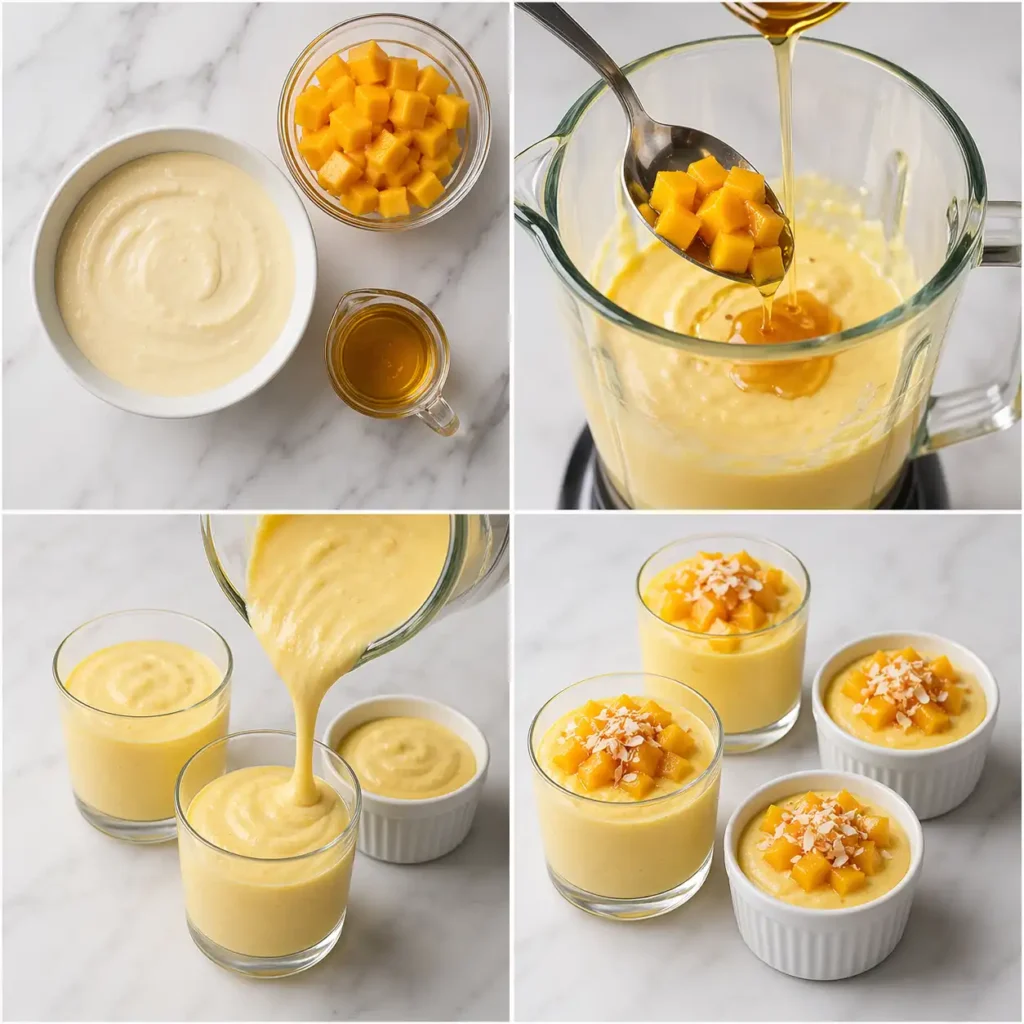
Step 1: Blend the Cottage Cheese Until Smooth
- Action: Place the cottage cheese into a high-speed blender and blend on high for 1 to 2 minutes.
- Result: A perfectly silky, whipped consistency with absolutely no visible curds left behind.
Why is the texture still grainy?
The cottage cheese usually needs more blending time. Blend it on its own first, scrape down the sides, and continue until no visible curds remain before adding the mango.
Step 2: Add Mango and Sweetener
- Action: Add the mango, sweetener, and optional vanilla. Blend briefly until the fruit is fully pureed and the mixture turns evenly yellow.
- Result: A stunning, vibrant yellow dessert. Too much fruit can loosen the mousse, while too little sweetness lets the dairy tang stand out more than the mango.
Step 3: Chill Until Thick and Spoonable
- Action: Portion the mousse into jars or ramekins and refrigerate for 1 to 2 hours. Chilling helps the mixture firm up and gives it a thicker, more spoonable texture.
- Result: A beautifully set tropical treat. Even when it tastes good right away, a short chill makes it feel much more structured, cooler, and true to a dessert texture.
If you want another fruity version with the exact same easy method, check out my strawberry cottage cheese mousse.
Expert Tips for Better Mango Cottage Cheese Mousse
Start With Thick Cottage Cheese
A thicker 4% cottage cheese usually gives the mousse better structure, especially because mango adds natural moisture during blending.
Why is my blended cottage cheese runny?
Lower-fat cottage cheese, very juicy mango, and extra liquid from sweetener are the most common causes. Chill the mousse first before deciding it needs a thickener.
Use Gelatin Only for a Firmer Set
Gelatin is not necessary for a soft mousse texture. Use a small amount only when you want a firmer, more set dessert.
Frozen Mango Changes the Texture
Frozen mango can make the mousse colder and slightly thicker, especially when the fruit is only partly thawed. Drain any melted liquid before blending so the mixture does not become watery.
Freezing Works Better as a Frozen Dessert
You can freeze the mousse and eat it partially frozen for a firmer texture, but fully freezing and thawing it later may cause separation. Refrigeration is better when you want the smoothest mousse texture.
If you want another creamy dessert with a simpler fruit profile, explore my vanilla cottage cheese mousse.
More Cottage Cheese Mousse Flavors to Try
Lemon Cottage Cheese Mousse
For a brighter citrus direction, this lemon cottage cheese mousse keeps the same chilled format with a sharper, fresher finish.
Coconut Cottage Cheese Mousse
For another tropical variation, this coconut cottage cheese mousse keeps the creamy texture but shifts the flavor toward a softer coconut finish.
Mango Cottage Cheese Pudding FAQs
A Simple Tropical Dessert Worth Making Again
What makes Mango Cottage Cheese Mousse work is that a short list of ingredients becomes a creamy, fruit-forward dessert with very little active prep. Blended cottage cheese forms the base of the mousse and is a good source of protein, while ripe mango adds the sweet, tropical flavor.
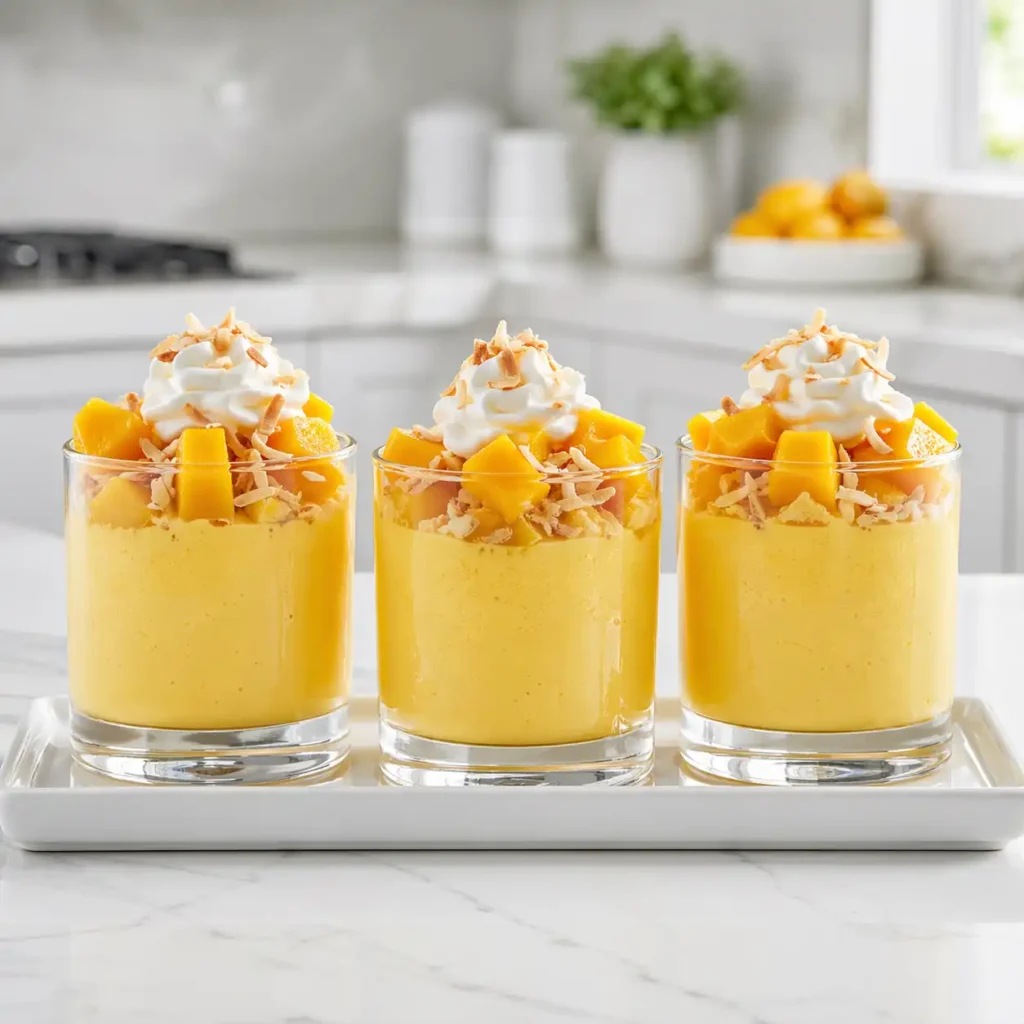
Takes maybe five minutes to get it ready then the chilling does the work. The mousse is thick, spoonable and easy to portion for a simple dessert or make-ahead snack.