You can make the flakiest, tenderest biscuits of your life without a drop of buttermilk using this Old fashioned cottage cheese biscuits trick. By swapping liquid dairy for cottage cheese, we create savory, buttery layers that melt in your mouth. While traditional biscuits are often just empty carbs, these High protein cottage cheese biscuits pack nearly 8g of protein each, transforming a comfort side dish into a balanced part of your meal.
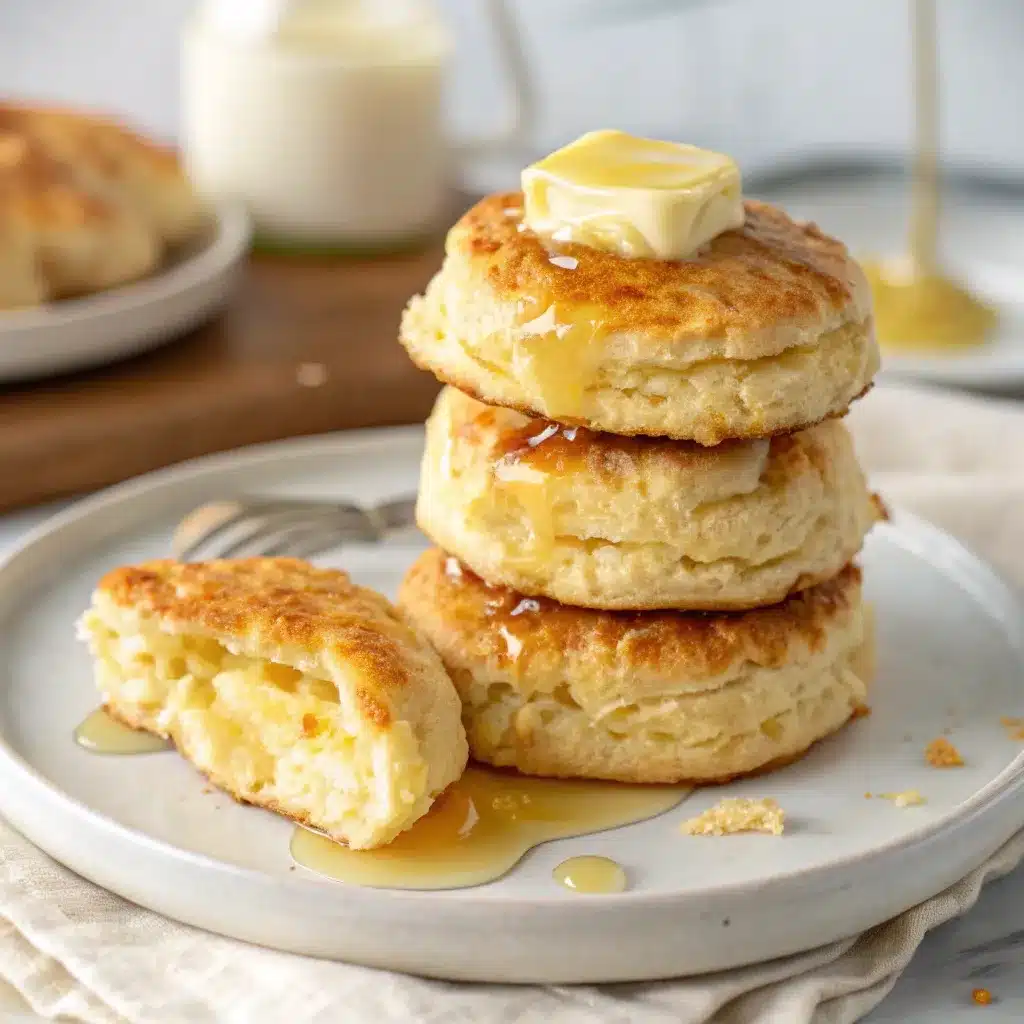
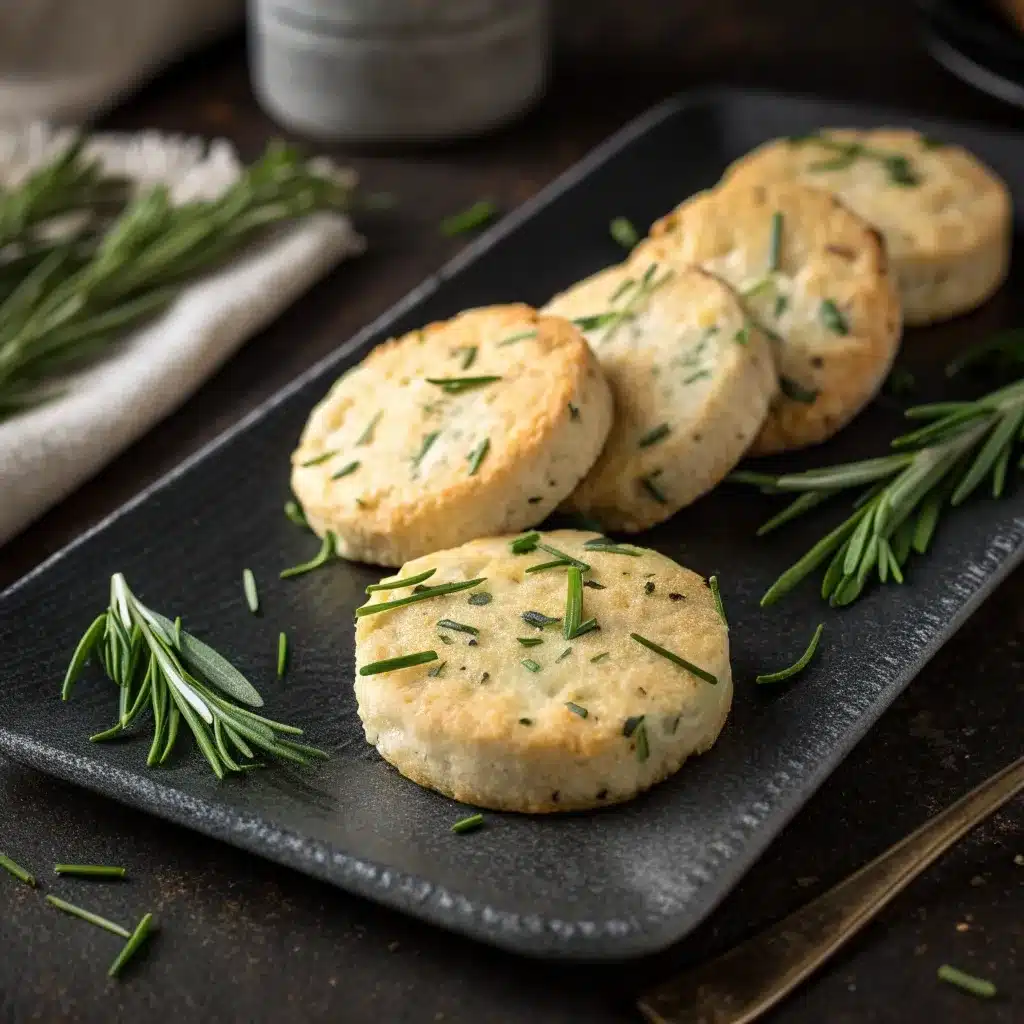
Cottage cheese acts as a double agent here: it provides acidity to activate the baking powder and creates distinct pockets of steam that puff up the layers. This recipe is a staple in my High Protein Cottage Cheese Recipes guide because it creates a bakery-quality result with minimal effort. Plus, I’m sharing my favorite Herbed cottage cheese biscuits variation below!
Looking for the perfect dipping partner? These sturdy biscuits are perfect for dunking into my Slow Cooker Sweet Potato Quinoa Chili.
Table of Contents
Why This Simple Cottage Cheese Biscuits Recipe Works
If you have ever been intimidated by biscuit making—fearing the dreaded “hockey puck” result—this recipe is your solution. It is forgiving, robust, and scientifically designed to rise.
The Science of Steam Leavening
Most people think baking powder does all the work in a biscuit. While chemical leaveners are important, the real secret to a flaky biscuit is steam.
- The Curd Effect: In traditional biscuits, you cut cold butter into flour to create pockets of fat. As the butter melts and water evaporates, it pushes the dough layers apart. In Cottage Cheese Biscuits, the cheese curds serve a similar function. They hold moisture that releases slowly, creating extra lift and tenderness that buttermilk alone cannot achieve.
- Acidity: Cottage cheese is naturally acidic (pH 4.5-5.0). This acidity reacts aggressively with the baking powder in self-rising flour (or your homemade mix), creating an immediate carbon dioxide boost that lightens the dough before it even hits the oven.
Can I Make 3 Ingredient Cottage Cheese Biscuits?
Technically, yes. The internet is full of “3 Ingredient” recipes calling for just Self-Rising Flour, Butter, and Cottage Cheese.
- The Verdict: While edible, they can be bland and slightly dense.
- My Recommendation: I strictly recommend adding a pinch of salt (if using unsalted butter) and brushing with an egg wash or milk before baking. That fourth ingredient (the wash) is what gives you that appetizing golden-brown crust rather than a pale, floury top.
Should I Use Small or Large Curd Cottage Cheese?
This is a common debate in Old fashioned cottage cheese biscuits recipes.
- Small Curd: This is generally easier to work with. The smaller curds distribute more evenly throughout the flour, ensuring every bite has a bit of protein and moisture.
- Large Curd: These work fine too, but you will end up with larger, distinct pockets of melted cheese. Some people love this (it’s like a cheese-stuffed biscuit), but others find it disrupts the flake.
- Do I Need to Blend the Cheese? NO! This is the most critical difference between this recipe and pizza dough. If you blend the cheese, you add too much liquid to the flour matrix, resulting in a sticky, bread-like dough rather than flaky layers. Keep the curds whole!

Fluffy Cottage Cheese Biscuits
- Total Time: 30 minutes
- Yield: 8 Biscuits 1x
Description
These Old Fashioned Cottage Cheese Biscuits are flaky, tender, and packed with protein. By swapping buttermilk for cottage cheese, you get savory layers that melt in your mouth without any heavy kneading.
Ingredients
- 2 cups All-Purpose Flour (or White Whole Wheat)
- 1 tbsp Baking Powder
- 1/2 tsp Salt
- 1/4 tsp Baking Soda
- 6 tbsp Unsalted Butter (Cold, cut into small cubes)
- 1 cup Cottage Cheese (4% Milkfat, Small Curd recommended)
- 1 tbsp Fresh Herbs (Rosemary, Thyme, or Chives – Optional)
- 1 Large Egg (For egg wash finish)
Instructions
- Preheat: Preheat your oven to 400°F (200°C). Line a baking sheet with parchment paper.
- Whisk: In a large mixing bowl, whisk together the flour, baking powder, salt, and baking soda.
- Cut Butter: Add the cold, cubed butter to the dry ingredients. Use a pastry blender or two forks to cut the butter into the flour until the mixture resembles coarse crumbs with some pea-sized butter chunks remaining.
- Fold: Add the cold cottage cheese (and herbs if using). Use a spatula to gently fold the mixture together. Stop as soon as a shaggy dough forms. It should look messy!
- Laminate: Turn the dough out onto a lightly floured surface. Pat it into a rough rectangle. Fold the dough in half over itself. Rotate 90 degrees and fold again. Repeat this “fold and pat” process 3 times to create layers.
- Shape & Cut: Pat the dough into a final rectangle, about 1-inch thick. Use a sharp knife to cut into 8 equal squares (or use a biscuit cutter, pressing straight down without twisting).
- Bake: Transfer biscuits to the prepared baking sheet. Whisk the egg with 1 tsp water and brush the tops of the biscuits. Bake for 12-15 minutes until risen and golden brown.
- Cool: Let cool on the baking sheet for 5 minutes before serving warm.
Notes
- Butter Tip: Freeze your butter cubes for 10 minutes before starting for maximum flakiness.
- Storage: Store at room temperature for 2 days or freeze for up to 3 months.
- Curd Size: Small curd cottage cheese distributes best, but large curd works too. Do not blend the cheese!
- Prep Time: 15 mins
- Cook Time: 15 mins
- Category: Side Dish
- Method: Oven
- Cuisine: American
Nutrition
- Serving Size: 1 Biscuit
- Calories: 180 kcal
- Sugar: 1 g
- Sodium: 320 mg
- Fat: 7 g
- Saturated Fat: 4 g
- Carbohydrates: 22 g
- Fiber: 1 g
- Protein: 8 g
- Cholesterol: 25 mg
Ingredients for Herbed Cottage Cheese Biscuits
The beauty of this recipe is that it relies on pantry staples. However, ingredient quality makes a massive difference in a recipe with so few components.
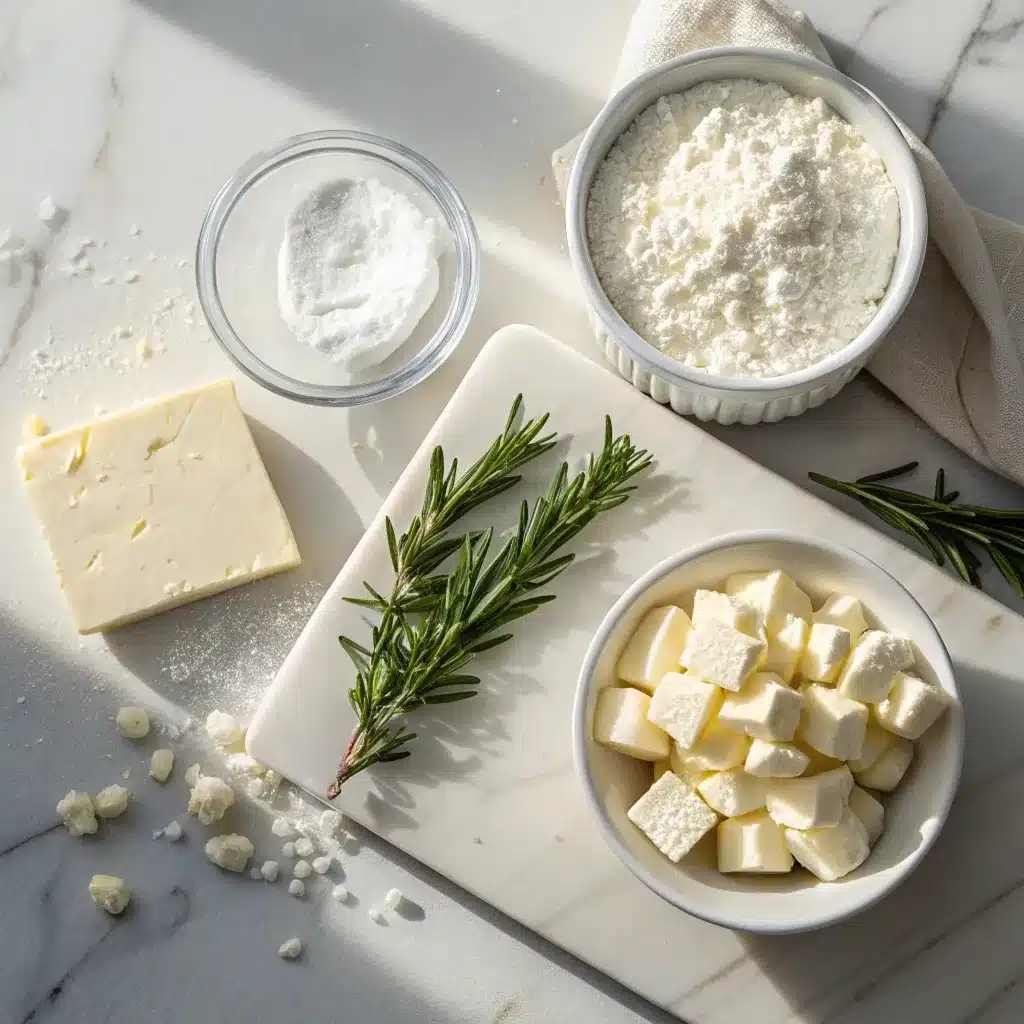
1. The Flour Strategy
- All-Purpose Flour: This is the standard for a light, fluffy biscuit.
- White Whole Wheat: If you want to make Healthy cottage cheese biscuits with more fiber, use White Whole Wheat flour. It has the nutritional profile of whole wheat but a softer texture and milder taste.
- Warning: Do not use traditional Red Whole Wheat flour, or your biscuits will be heavy and taste bitter.
- Self-Rising Note: If you use Self-Rising flour, omit the baking powder and salt called for in the recipe card.
2. The Fat (Cold Butter)
- Temperature is Key: Your butter must be freezing cold. I suggest cutting it into cubes and putting it back in the freezer for 10 minutes before starting. Warm butter mixes into the flour rather than sitting in it, destroying your layers.
- European vs. American Butter: European butter (like Kerrygold) has a higher fat content (82% vs 80%) and less water. This yields a richer, more yellow biscuit, but American butter works perfectly fine for this method.
3. The Protein (Cottage Cheese)
- Full Fat (4%): Always use full fat. Low-fat cottage cheese has stabilizers and gums to replace the mouthfeel of fat, which can make the biscuits gummy.
- Whole Curds: Unlike my viral High Protein Bagels where we blend the cheese until smooth, here we keep the curds whole to create steam pockets.
- Brand Matter: Brands like Good Culture tend to be drier and creamier. If you use a very watery budget brand, you might need to add an extra tablespoon of flour to handle the dough.
4. The Flavor (Fresh Herbs)
- Savory Profile: Fresh rosemary, thyme, or chives turn these into Herbed cottage cheese biscuits.
- Quantity: Don’t be shy. A full tablespoon of fresh herbs brings these to life.
- Dried vs. Fresh: Fresh is superior here for texture. If using dried, reduce the amount by half as the flavor is more concentrated.
How to Make Old Fashioned Cottage Cheese Biscuits (Step-by-Step)
Follow this method closely. The technique of “handling gently” is the difference between a rock and a cloud.
Step 1: The Cut (incorporating Fat)
Whisk your dry ingredients (flour, baking powder, salt) in a large bowl. Add your cold butter cubes.
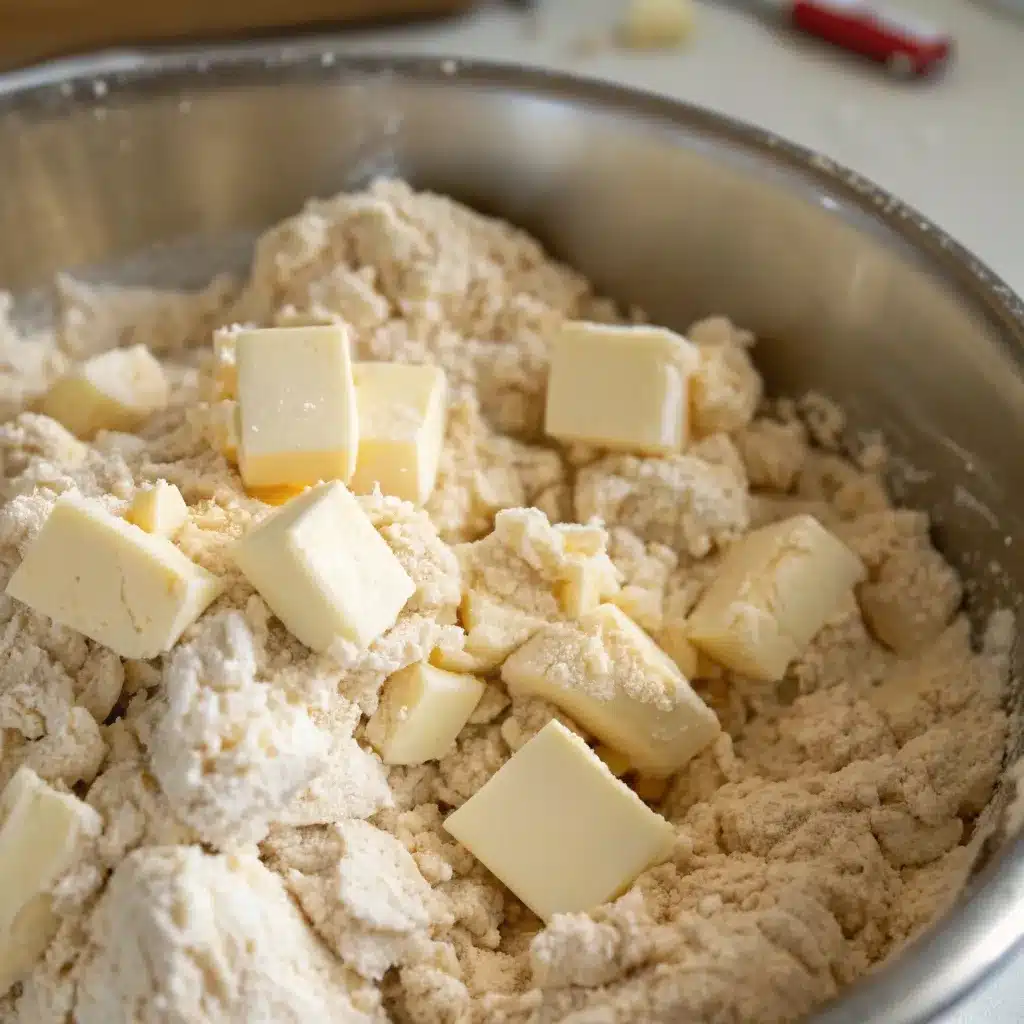
- The Tool: Use a pastry cutter or two forks to cut the butter into the flour.
- The Goal: You want the mixture to look like coarse crumbs with some pea-sized chunks of butter still visible. Those chunks are your future flaky layers.
Step 2: The Fold (Adding Cheese)
Gently fold in the cold cottage cheese and your herbs.
- Crucial Rule: Do not overmix! Stir just until the dough forms a shaggy mass. It will look messy and dry in spots—that is perfect. If you mix until smooth, you have developed gluten, and your biscuits will be tough.
Step 3: The Shape (Lamination)
Turn the shaggy dough out onto a floured surface. Pat it (don’t roll) into a rough rectangle.
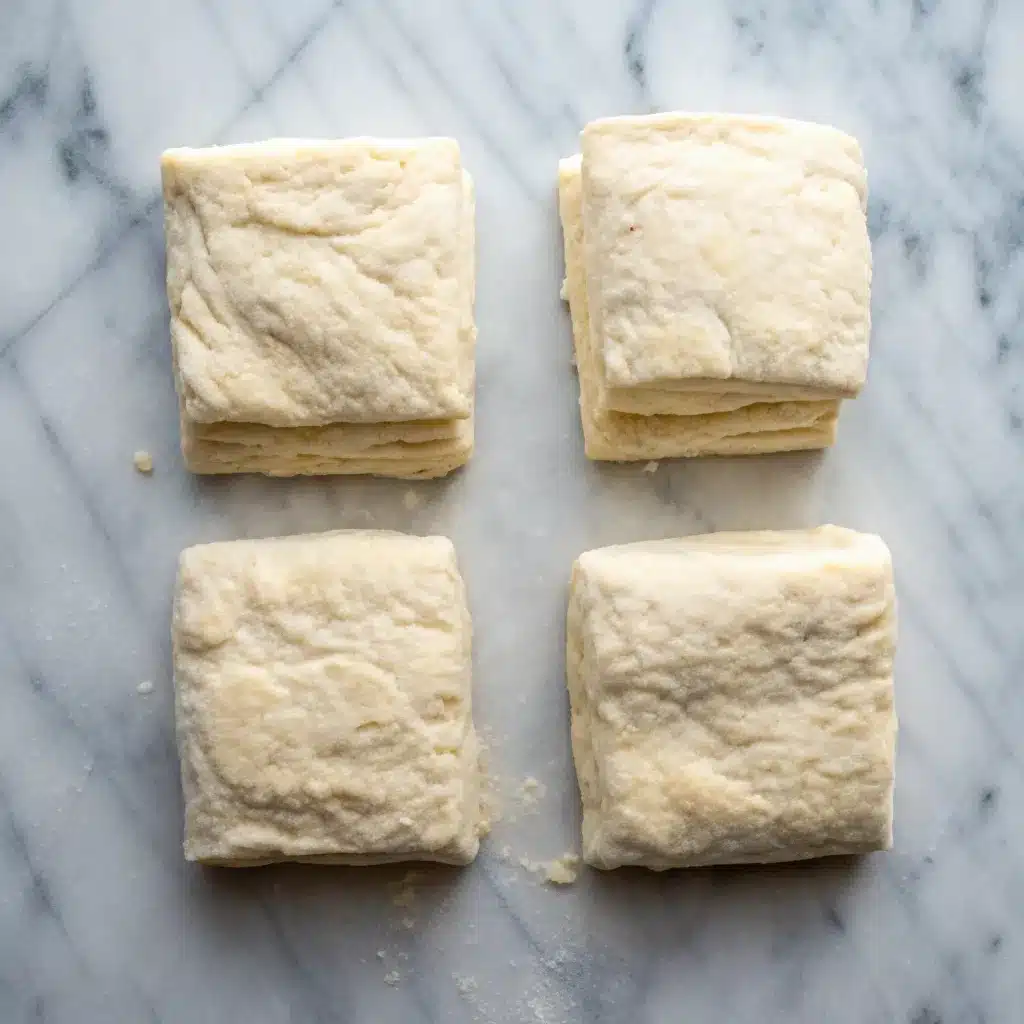
- Lamination Trick: Fold the dough in half over itself. Pat it down. Turn it 90 degrees. Fold it again. Repeat this 3-4 times. This process, called lamination, creates physical layers of dough-butter-dough, which leads to that dramatic vertical rise in the oven.
Step 4: The Cut (Square vs. Round)
Pat the dough into a final rectangle about 1 inch thick.
- Round Cutters: If using a biscuit cutter, press straight down and pull straight up. Do not twist! Twisting seals the edges of the dough, preventing it from rising.
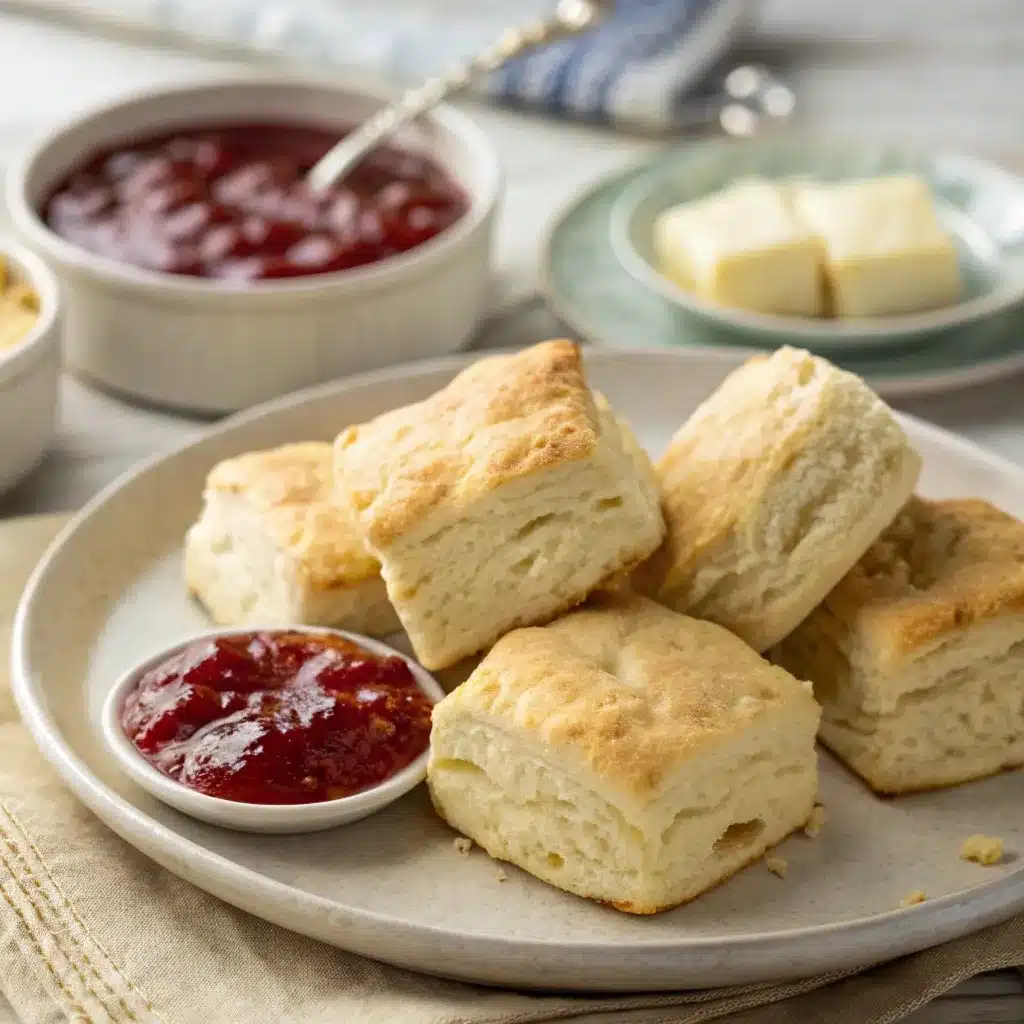
- Square Cut (Recommended): I prefer using a sharp knife to cut the dough into squares.
- Why? It generates zero scrap dough (re-rolling scraps makes tough biscuits), and square biscuits actually rise higher because the knife slices cleaner than a dull cutter.
Step 5: The Bake
Brush the tops with a little milk or egg wash for color. Bake at 400°F (200°C) for 12-15 minutes.
- Visual Cue: They should be tall, golden brown on top, and visibly flaky on the sides.
Variations: Sweet vs. Savory
One dough, endless possibilities. Here is how to adapt the base recipe.
Sweet Cottage Cheese Biscuits
Reduce the salt slightly and add 2 tablespoons of sugar to the dry mix. You can also add lemon zest or dried cranberries.
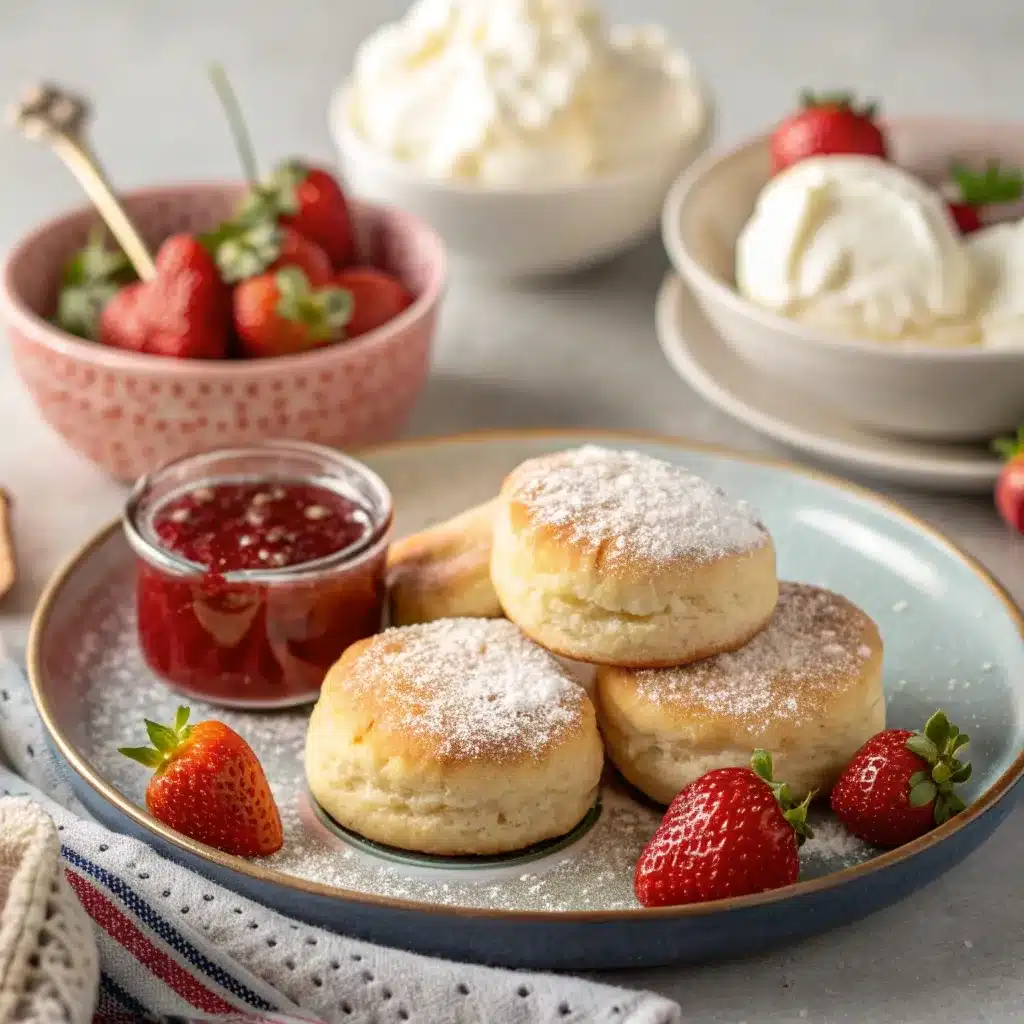
- Serving: Serve warm with strawberry jam and clotted cream for a high-protein tea time.
- Craving more sweets? If you have a sweet tooth, try my High Protein Edible Cookie Dough next.
Cottage Cheese Breakfast Biscuits
Keep the recipe savory but add 1/2 cup of shredded sharp cheddar to the dough.
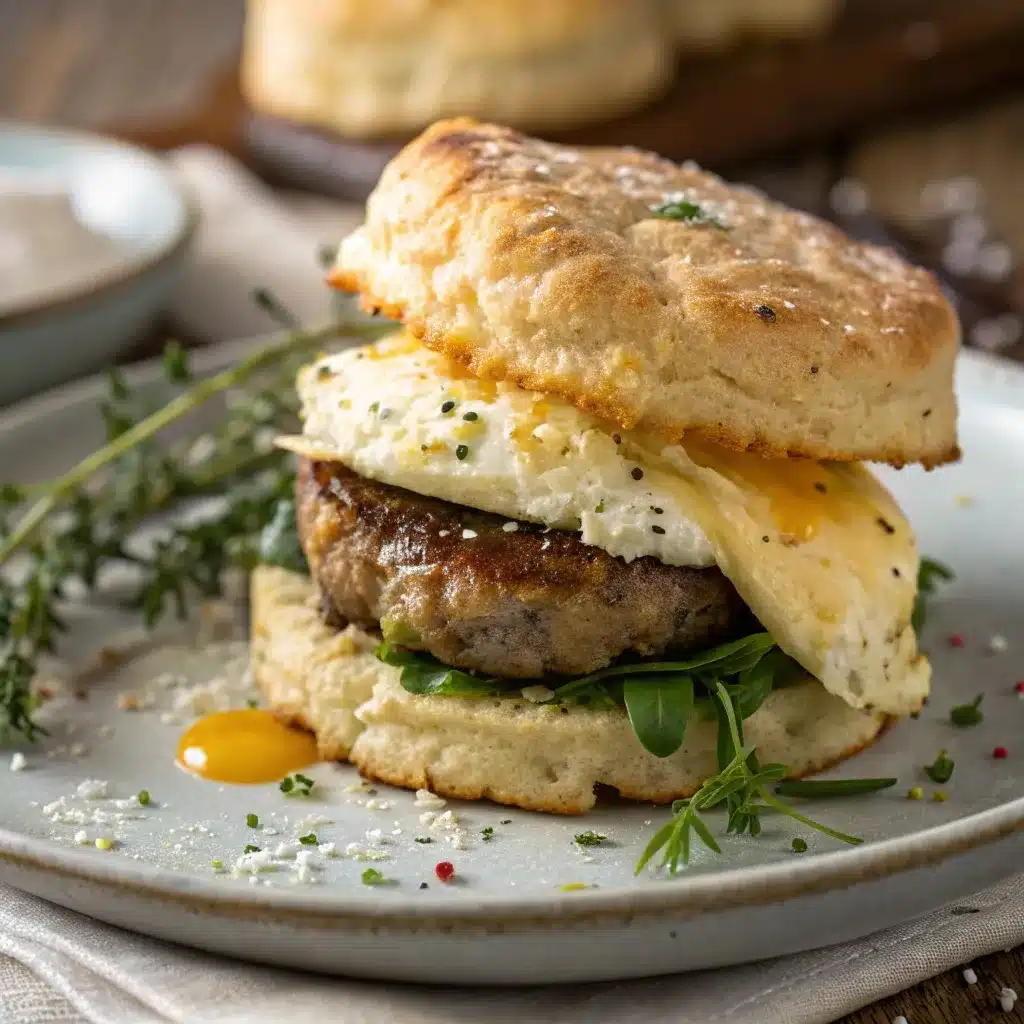
- Meal Prep: Slice open the baked biscuits and fill with scrambled eggs and a turkey sausage patty. Wrap in foil and freeze for instant breakfasts.
- Pair this with my High Protein Breakfast Ideas for a full meal plan.
Gluten-Free Option
Can I make them with gluten-free flour?
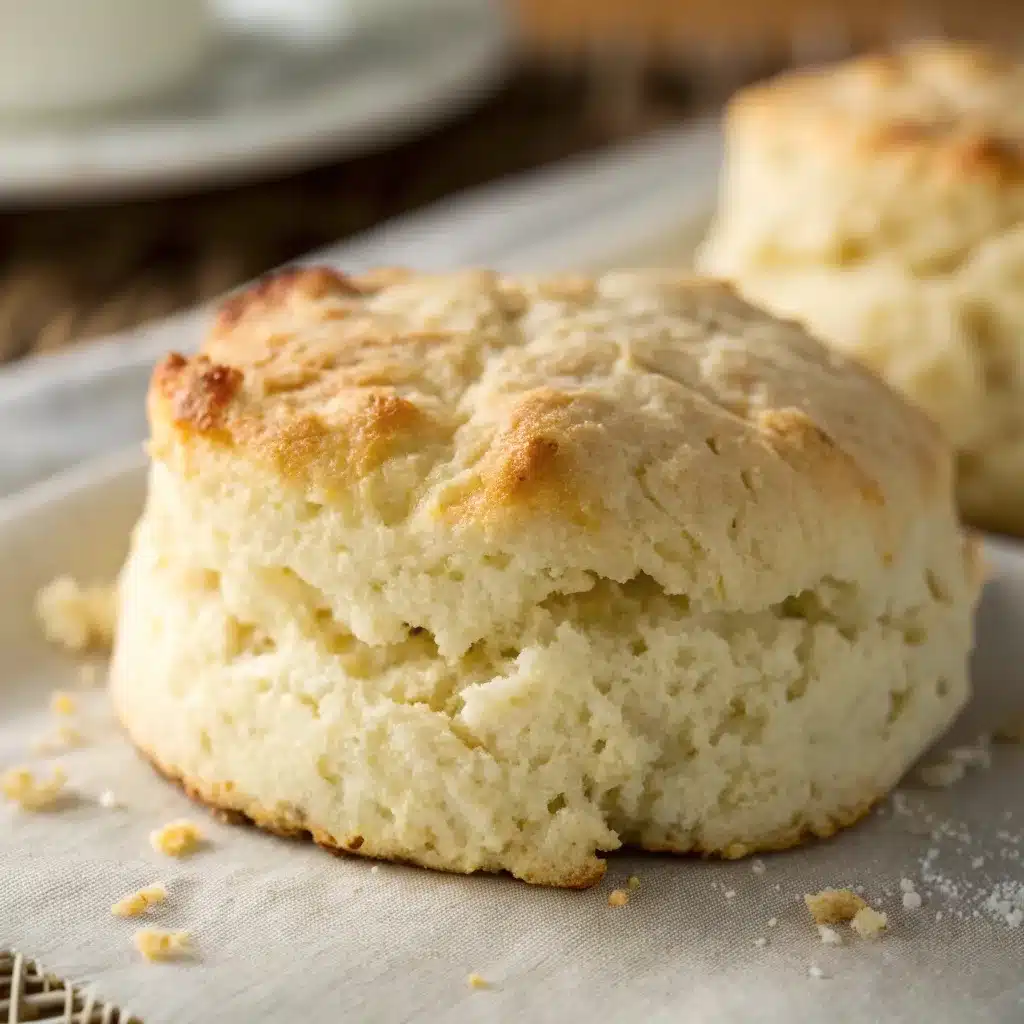
- Answer: Yes, but you must use a high-quality “Cup-for-Cup” GF Baking Flour blend (like King Arthur Measure for Measure) that includes Xanthan gum.
- Note: Gluten-free biscuits will not rise quite as high as wheat ones, but the cottage cheese helps keep them moist, avoiding the “dry crumble” of typical GF bread.
Troubleshooting Common Biscuit Failures
Even seasoned bakers mess up biscuits. Here is how to fix your batch.
Why are my biscuits tough and dry?
- Reason 1: Overmixing. You likely stirred the dough until it was smooth, developing too much gluten. Next time, stop when it is still shaggy.
- Reason 2: Warm Ingredients. If the butter melted before baking, you lost the flake. Keep everything cold!
Why didn’t my biscuits rise?
- Reason: Your baking powder might be expired. Test it by putting a teaspoon in hot water—if it doesn’t fizz violently, throw it out. Alternatively, you might have twisted the cutter, sealing the edges.
Why did my biscuits spread out instead of up?
- Reason: The oven wasn’t hot enough. You need that initial blast of 400°F+ heat to set the structure before the fat melts. Ensure your oven is fully preheated.
Why did the bottoms of my biscuits burn?
- Reason: Your baking sheet is too thin (conducting heat too fast) or placed too low in the oven. Use a light-colored aluminum sheet pan and bake on the middle rack.
Frequently Asked Questions
How should I store homemade biscuits?
Biscuits are best the day they are made. However, you can store them in an airtight container at room temperature for 2 days. For longer storage, freeze them. Do not store them in the fridge, as the moist environment will make them stale faster (a phenomenon known as retrogradation).
Can I freeze unbaked biscuits?
Yes! This is the best way to have fresh biscuits on demand. Cut the biscuits, place them on a baking sheet, and freeze until solid (flash freezing). Then transfer to a freezer bag.
– To Bake: Bake directly from frozen. Just lower the temperature to 375°F and add 3-5 minutes to the cooking time.
Can I use almond flour?
Almond flour lacks the starch structure to hold layers in a biscuit. It behaves very differently. For a low-carb dough alternative, check out my High Protein Cottage Cheese Pizza Crust variation which uses almond flour, but do not substitute it 1:1 in this biscuit recipe.
Do these taste like cheese?
Surprisingly, no. They taste like rich, tangy buttermilk biscuits. The cottage cheese flavor disappears during baking, leaving behind only the texture and the protein benefits. It is a fantastic way to sneak protein into picky eaters’ diets.
Can I use Greek Yogurt instead of Cottage Cheese?
You can, but the texture will be different. Greek yogurt is smoother and denser. It creates a more uniform “bread roll” texture rather than the flaky layers created by the cottage cheese curds. If using yogurt, use a strained, thick variety.
Conclusion
Whether you make them Herbed or Sweet, these Cottage Cheese Biscuits are a high-protein game changer. They prove that you don’t need to sacrifice your favorite comfort foods to hit your macro goals. With 8g of protein per biscuit and a texture that rivals any Southern grandma’s kitchen, this recipe is a keeper.
Need a main dish to complete the meal? Serve these warm with my Garlic Parmesan Crockpot Chicken and Potatoes for the ultimate comfort dinner.