Can you believe this High Protein Cottage Cheese Pizza Crust uses just 2 ingredients and comes together in under 30 minutes? It sounds too simple to be true, but blending cottage cheese and self-rising flour creates a crispy, restaurant-style base that packs a massive 15g of protein per serving. Say goodbye to delivery fees and the dreaded carb coma—this recipe guarantees a Crispy Protein Pizza bottom every single time with my specific “Pre-Bake” method.
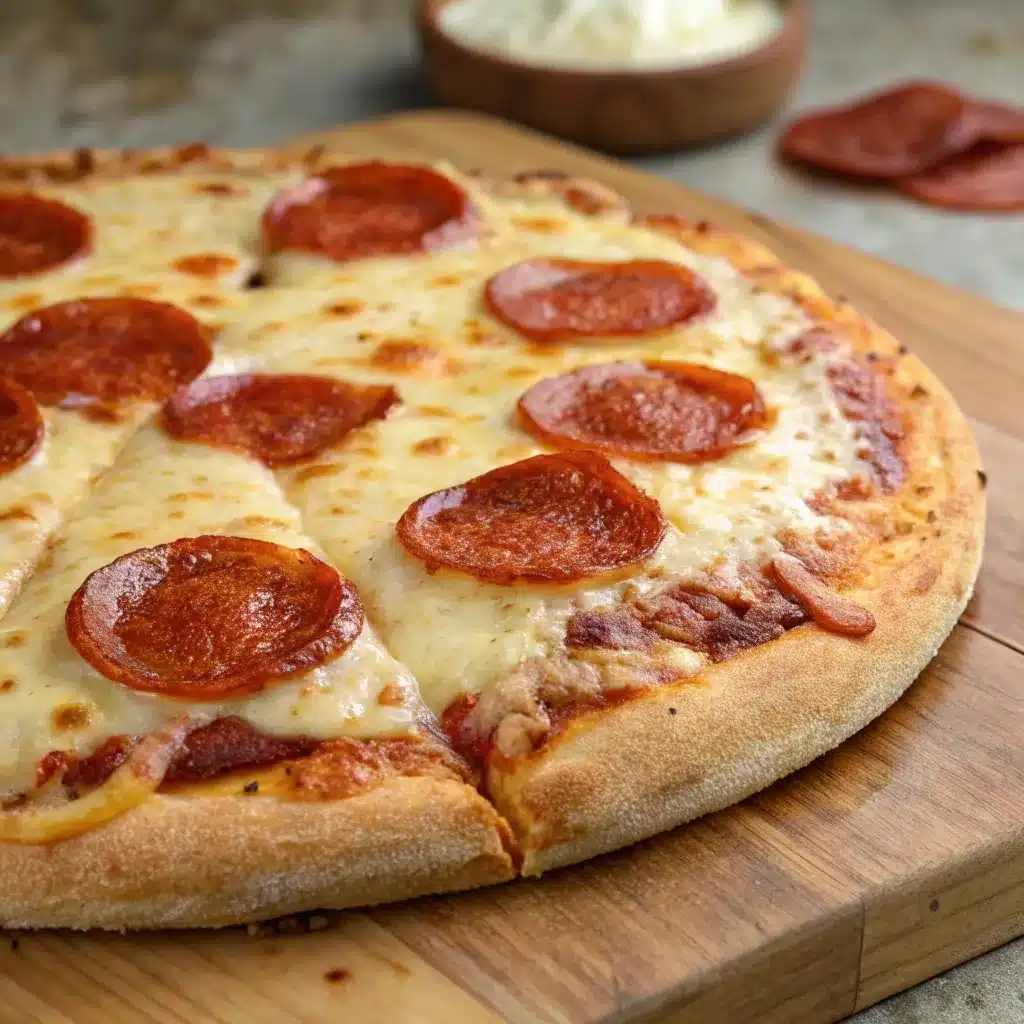
This recipe is quickly becoming a staple in my High Protein Cottage Cheese Recipes guide. It flips the script on traditional pizza, offering a nutrient-dense alternative without sacrificing flavor. If you love this easy dough, you absolutely have to try the breakfast version: my High Protein Bagels.
Table of Contents
Why This High Protein Cottage Cheese Pizza Crust is a Game Changer
If you are like me, “pizza night” usually involves a mental negotiation between wanting comfort food and wanting to stay on track with fitness goals. Traditional pizza is delicious, but it leaves you sluggish. Cauliflower crusts often taste like, well, cauliflower.
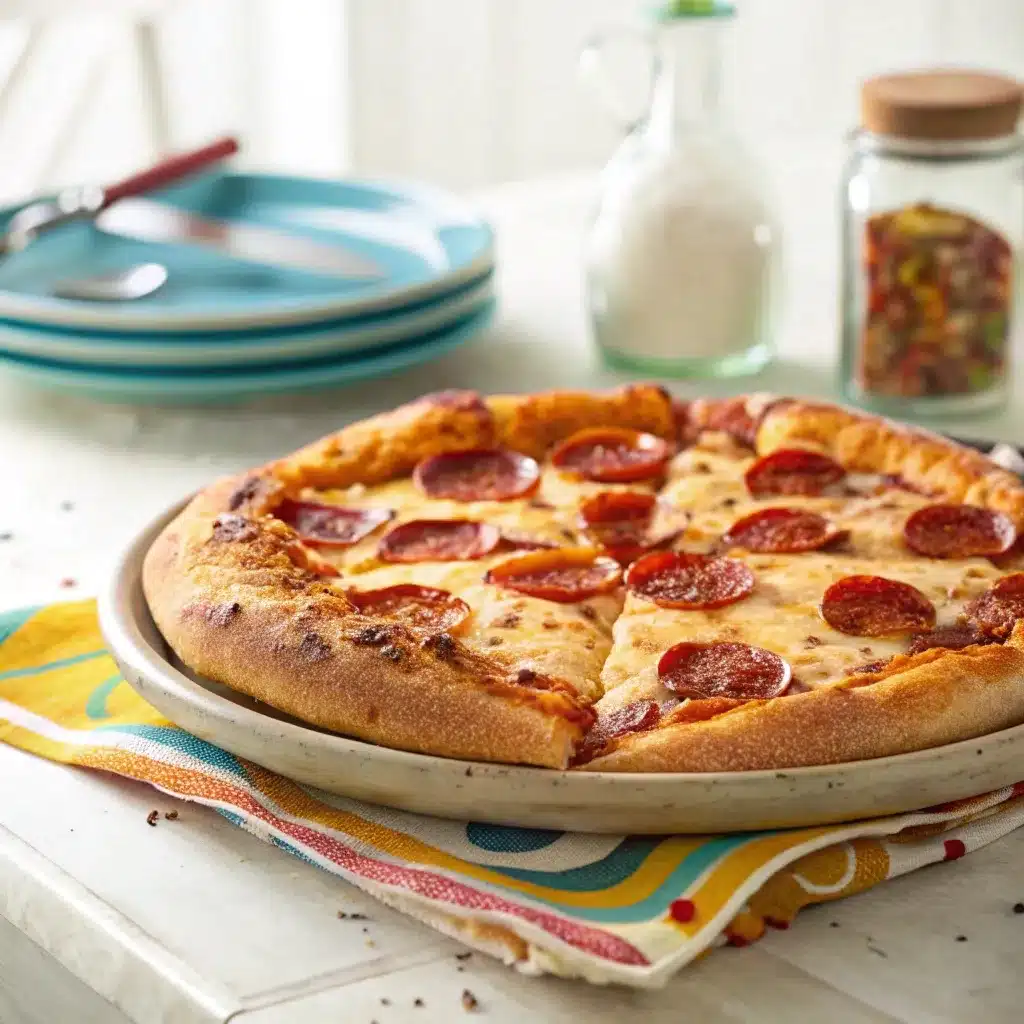
This High Protein Pizza Crust is different. It is a legitimate dough. It rolls out, it crisps up, and it holds a slice. The magic lies in the chemical reaction between the dairy and the leavening agents, creating a Healthy Homemade Pizza Dough that feels indulgent but fuels your muscles.
The Viral “2 Ingredient” Trend Explained
You might have seen the “2 ingredient dough” trend using Greek yogurt. While that works, I have found that using cottage cheese makes for a superior, more flavorful crust. The curds, once blended, offer a richer texture and a higher casein protein content than yogurt, which helps the crust bake up golden brown rather than pale and chewy.
Print
High Protein Cottage Cheese Pizza Crust
- Total Time: 25 minutes
- Yield: 2 Servings (10-inch Pizza) 1x
Description
A viral 2-ingredient pizza dough recipe that packs 15g of protein per serving. Made with blended cottage cheese and flour, it’s a healthy, yeast-free alternative to delivery that crisps up perfectly.
Ingredients
- 1 cup Cottage Cheese (4% milkfat recommended, full fat is best)
- 1 cup Self-Rising Flour (plus extra for dusting)
- 1 tsp Italian Seasoning (optional, for flavor)
- 1/2 tsp Garlic Powder (optional, for flavor)
- For the Keto/No Flour Version:
- 1 cup Almond Flour
- 1 Large Egg
- 1 cup Cottage Cheese (strained slightly)
Instructions
- Preheat: Preheat your oven to 400°F (200°C) and line a baking sheet or pizza stone with parchment paper.
- Blend: Place the cottage cheese in a blender or food processor. Blend on high until completely smooth and creamy. Do not skip this step!
- Mix: Pour the blended cheese into a bowl. Add the self-rising flour (and seasonings if using). Stir until combined.
- Knead: Use clean hands to knead the dough in the bowl for 60 seconds until it forms a cohesive ball. If it is too sticky, add a sprinkle more flour.
- Roll: Place the dough ball on the parchment paper. Dust the top with flour. Roll out into a 10-inch circle or oval.
- Pre-Bake: Bake the crust (without toppings) for 10-12 minutes until the top feels dry and spots of gold appear.
- Top: Remove from oven. Add sauce, cheese, and desired toppings.
- Final Bake: Return to the oven for 8-10 minutes until the cheese is melted and bubbling.
- Serve: Slice and enjoy immediately!
Notes
- Storage: Store leftovers in an airtight container in the fridge for up to 3 days. Reheat in a skillet or air fryer.
- Freezing: Freeze the raw dough ball wrapped in plastic for up to 3 months. Thaw in the fridge before rolling.
- Substitutions: If you don’t have self-rising flour, mix 1 cup all-purpose flour + 1.5 tsp baking powder + 1/4 tsp salt.
- Prep Time: 5 mins
- Cook Time: 20 minutes
- Category: Dinner
- Method: Oven / Air Fryer
- Cuisine: American / Italian
Nutrition
- Serving Size: 1/2 Pizza (Crust Only)
- Calories: 280 kcal
- Sugar: 2 g
- Sodium: 680 mg
- Fat: 4 g
- Saturated Fat: 2 g
- Carbohydrates: 45 g
- Fiber: 1 g
- Protein: 15 g
- Cholesterol: 15 mg
The Science: High Protein Cottage Cheese Pizza Crust vs. Traditional Dough
When we think of pizza, we usually think of “empty calories”—grease, refined white flour, and sodium bombs. But does it have to be that way? By swapping out the traditional yeast-and-water base for a protein-rich dairy base, we completely change the nutritional profile of the meal.
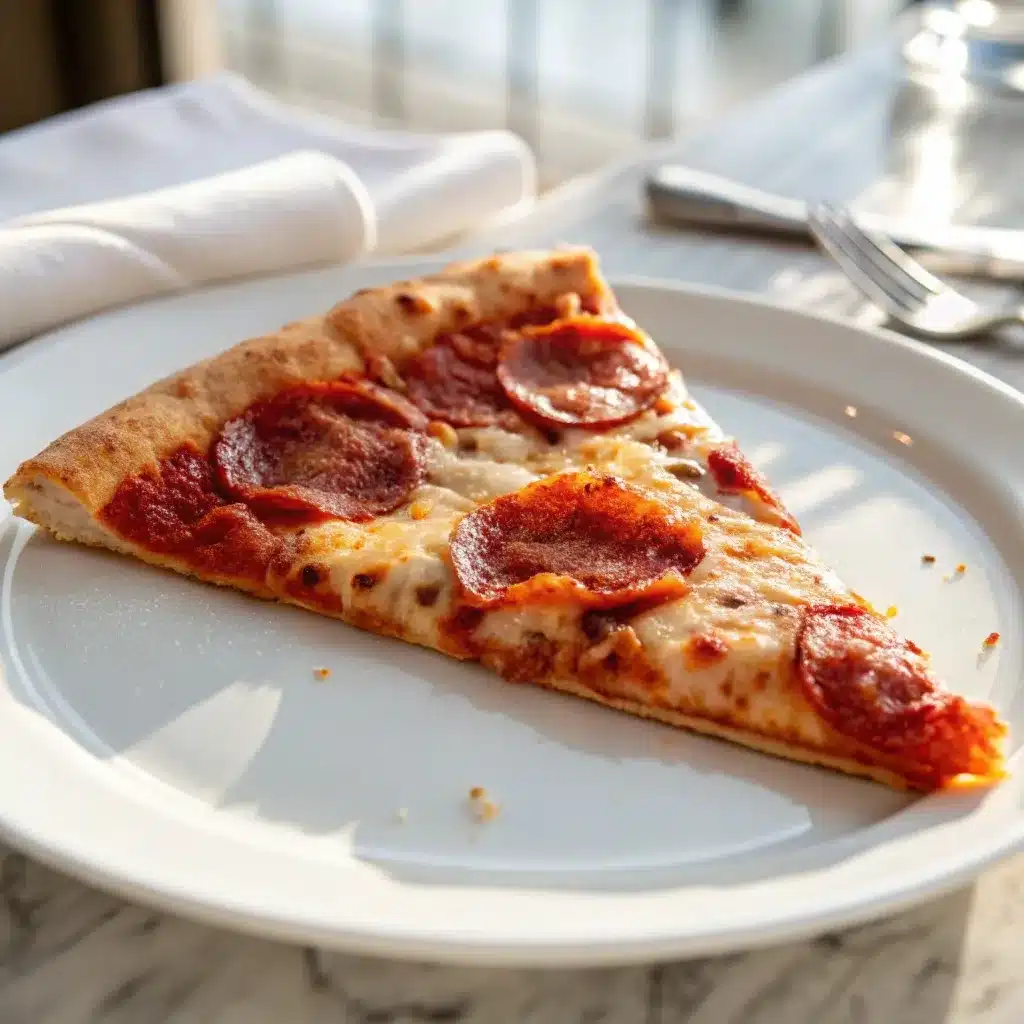
Which Pizza Crust Has the Most Protein?
Traditional pizzeria dough is essentially a sponge for carbohydrates. It provides structure, but very little satiety. Our High Protein Pizza Crust replaces half of that flour volume with full-fat cottage cheese. Because cottage cheese is packed with slow-digesting casein protein, this crust naturally doubles the protein count compared to a slice from Domino’s or Pizza Hut. Instead of a sugar spike, you get a balanced meal that keeps you full for hours.
Here is a quick breakdown of how this crust stacks up against other popular bases:
| Crust Type (1 Serving) | Calories | Protein | Carbs | Texture |
|---|---|---|---|---|
| High Protein Cottage Cheese Pizza Crust | 280 | 15g | 45g | Crispy & Chewy |
| Traditional Flour Dough | 300+ | 6g | 50g+ | Chewy |
| Cauliflower Crust (Frozen) | 260 | 4g | 40g | Often soggy |
| Fathead (Keto) Dough | 500+ | 18g | 8g | Very dense/oily |
Is Cottage Cheese Dough Good for Pizza?
Yes! In fact, it is often superior to many “health” alternatives. If you’ve ever tried to pick up a slice of cauliflower pizza only to have it droop sadly in your hand, you know the struggle. The casein protein in the cottage cheese creates a sturdy protein network when baked. This gives the High Protein Cottage Cheese Pizza Crust elasticity and structure, meaning it holds up to heavy toppings without collapsing. It’s the perfect middle ground between a “real” flour crust and a low-carb alternative.
What is the Lowest Calorie Pizza Crust?
While “fathead” (keto) doughs made with mozzarella and almond flour are popular, they are incredibly calorie-dense due to the heavy cheese and nut usage. A single slice can pack hundreds of calories before you even add toppings. This 2 Ingredient Cottage Cheese Pizza Crust balances protein and carbs for a moderate calorie count that fits most diets. It’s lighter than a fathead dough but more substantial than a tortilla pizza, hitting that sweet spot for macro-counters.
Ingredients for the Best High Protein Pizza Crust
The beauty of this recipe lies in its simplicity. You don’t need a pantry full of stabilizers or gums. You just need two humble ingredients that rely on a fascinating chemical reaction to work.
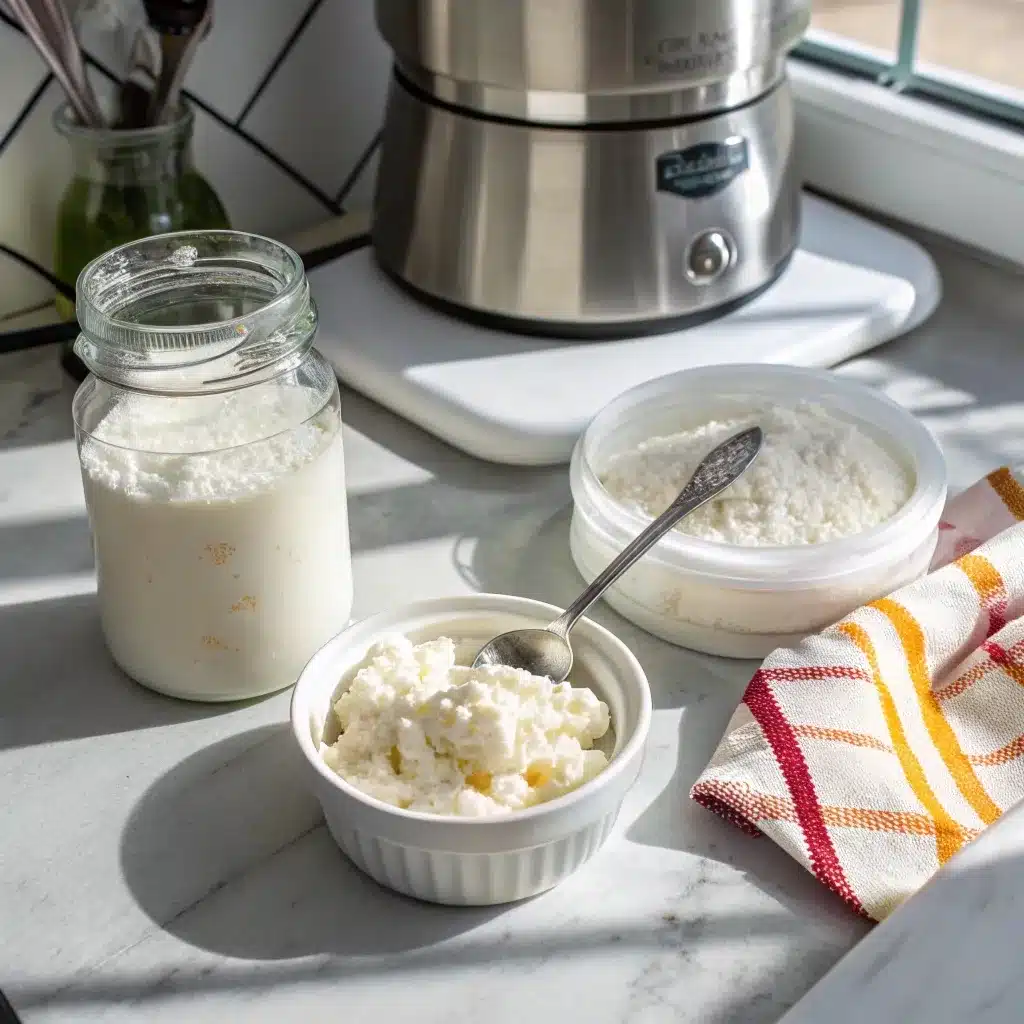
1. Full Fat Cottage Cheese (The Protein Powerhouse)
This is the workhorse of the recipe. It acts as both the moisture source and the protein powerhouse.
- Why Full Fat? I recommend using 4% milkfat (full fat) cottage cheese (like Good Culture or Daisy) for the best flavor and texture. Low-fat versions have higher water content, which can lead to a soggy High Protein Pizza Crust.
- The Blend is Non-Negotiable: You must blend the cottage cheese until it is liquid smooth. If you leave curds, they will melt individually, creating wet spots in your dough.
2. Self-Rising Flour (The Lift)
This isn’t just regular flour. Self-rising flour contains baking powder and salt pre-mixed in the perfect ratios. This is vital because we are making a No Yeast Pizza Dough.
- Substitute: If you don’t have self-rising flour, you can make your own! For every 1 cup of All-Purpose Flour, mix in 1.5 teaspoons of baking powder and 1/4 teaspoon of salt. Whisk well before using.
Note: Looking for a Cottage Cheese Pizza Crust No Flour option? See the Variations section below where we swap this for Almond Flour!
Can You Make Pizza Dough Without Yeast?
Absolutely. Traditional pizza dough requires yeast, warm water, sugar, and patience—usually 1 to 2 hours of rise time. In this High Protein Cottage Cheese Pizza Crust recipe, the chemical reaction between the lactic acid in the cottage cheese and the baking powder in the self-rising flour provides an instant lift. The acid activates the leavening agent immediately upon contact and heat, puffing up the dough in the oven. It’s science, but it feels like magic!
Equipment Essentials for Success
To ensure your High Protein Pizza Crust comes out perfectly, you need the right tools:
- High-Speed Blender or Food Processor: To turn the curds into a smooth cream.
- Parchment Paper: This is non-negotiable. This dough is stickier than traditional dough. Baking it directly on a pan or stone will result in a stuck mess.
- Baking Sheet or Pizza Stone: A pre-heated stone works best, but a standard metal sheet pan works perfectly fine too.
Step-by-Step: How to Make High Protein Cottage Cheese Pizza Crust
Ready to bake? Follow these steps closely. The technique is just as important as the ingredients to achieve that restaurant-quality finish.
Step 1: The Blend
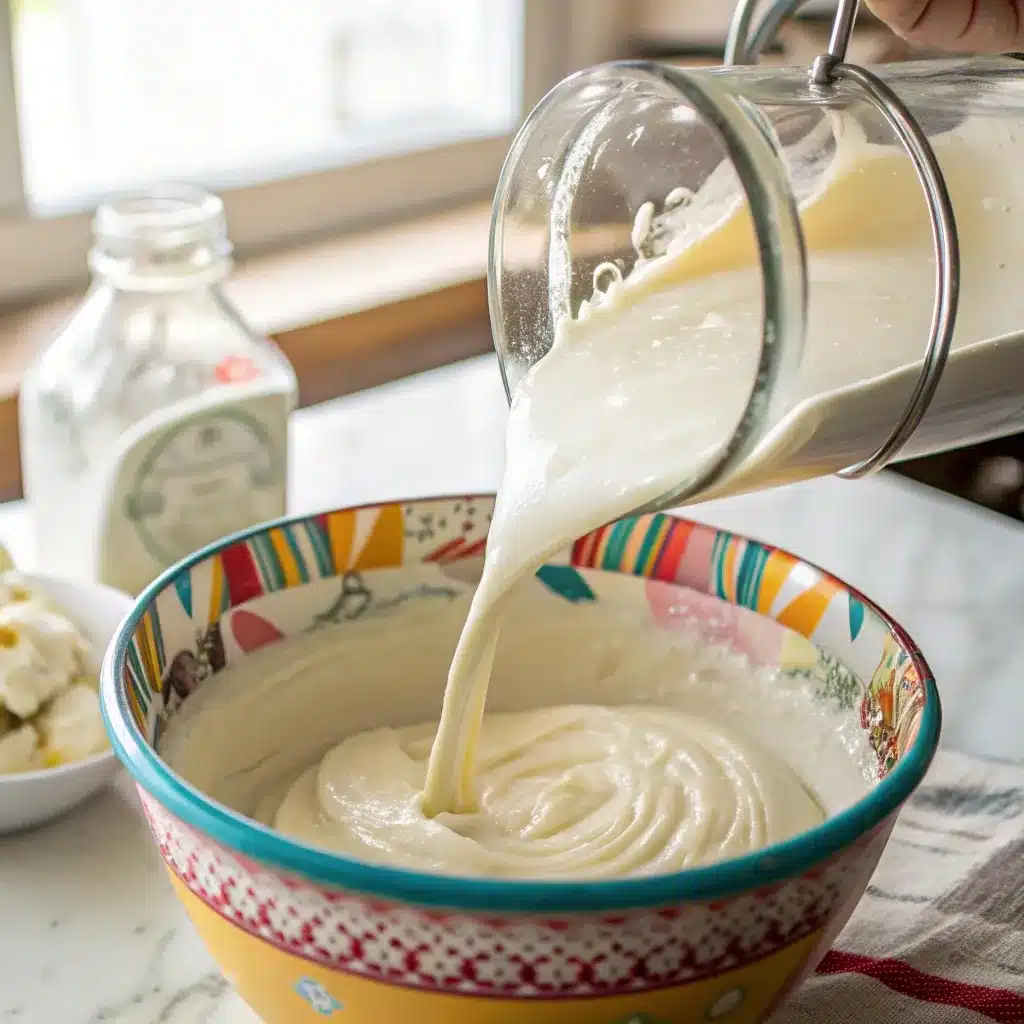
Start by placing your cottage cheese into a blender or food processor. Pulse it until the curds are completely gone. The consistency should look like thick heavy cream or a smooth yogurt. Do not rush this step! Unblended curds will melt into puddles of whey in the oven, making your High Protein Pizza Crust soggy.
Step 2: The Roll
Pour the blended cheese into a large mixing bowl and add your self-rising flour. Stir with a spatula until a shaggy dough forms.
- Kneading Tip: Use your hands to knead it in the bowl for about a minute until it comes together in a smooth ball. The dough will be tacky—that is normal.
- Rolling: Transfer the ball to a sheet of parchment paper heavily dusted with flour. Dust the top of the dough ball too. Use a rolling pin to roll it out into your preferred shape. I aim for about 1/4 inch thickness.
Step 3: The Pre-Bake (The Secret to Crispy Protein Pizza)
This is the secret to a crispy bottom. You cannot top raw dough and bake it all at once with this recipe—it simply won’t crisp up.
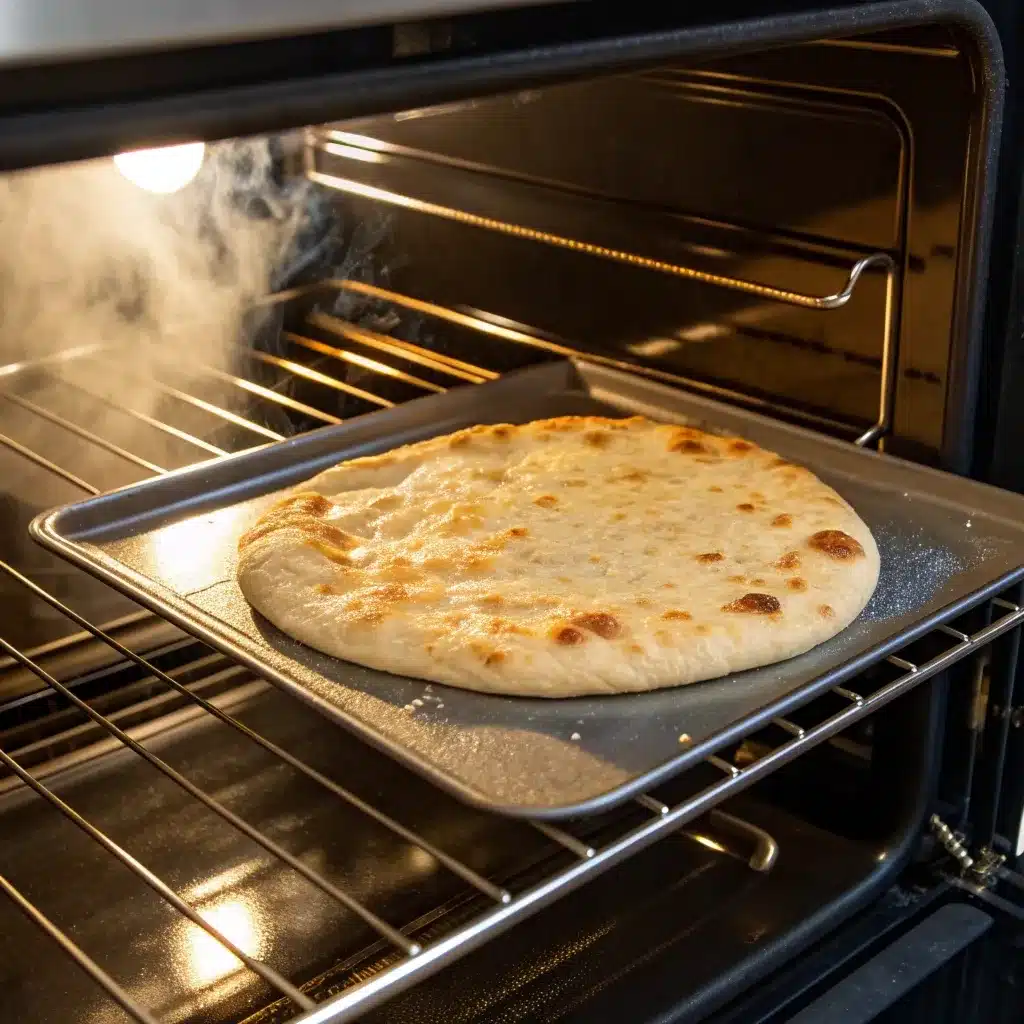
- Transfer the parchment paper with the dough onto a baking sheet.
- Bake the “naked” crust at 400°F (200°C) for 10-12 minutes.
- Visual Cue: You want the top to look dry to the touch and slightly golden spots to appear on the surface. This sets the structure and creates a barrier against the sauce.
Step 4: The Toppings & Final Bake
Remove the crust from the oven. Now, add your favorite sauce, cheese, and toppings. Return it to the oven for another 8-10 minutes, or until the cheese is bubbly and the edges of your High Protein Cottage Cheese Pizza Crust are a deep golden brown.
Variations: From No Flour to “Meat Lover’s”
Once you master the base, you can get creative. Here are a few ways to switch it up depending on your dietary needs or cravings.
Variation 1: Cottage Cheese Pizza Crust No Flour (Keto/Gluten Free)
If you are strictly low-carb or gluten-free, the flour version might not work for you. You can make a Cottage Cheese Pizza Crust No Flour version by swapping the self-rising flour for Almond Flour and adding 1 egg.
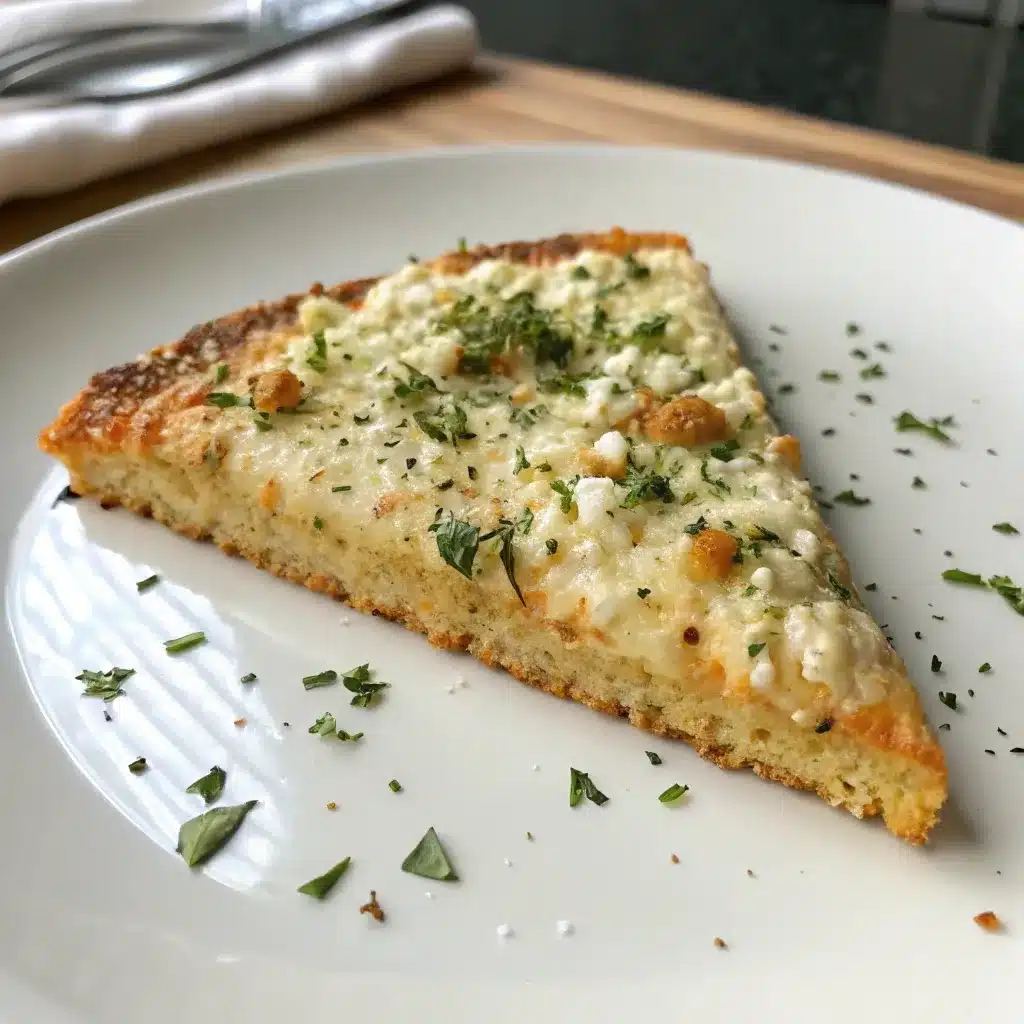
- Why the egg? Almond flour lacks gluten, which binds the dough. The egg provides the necessary structure.
- Texture: This version makes a denser, nuttier, and lower-carb crust that is perfect for Keto diets.
Variation 2: The BBQ Chicken High Protein Pizza
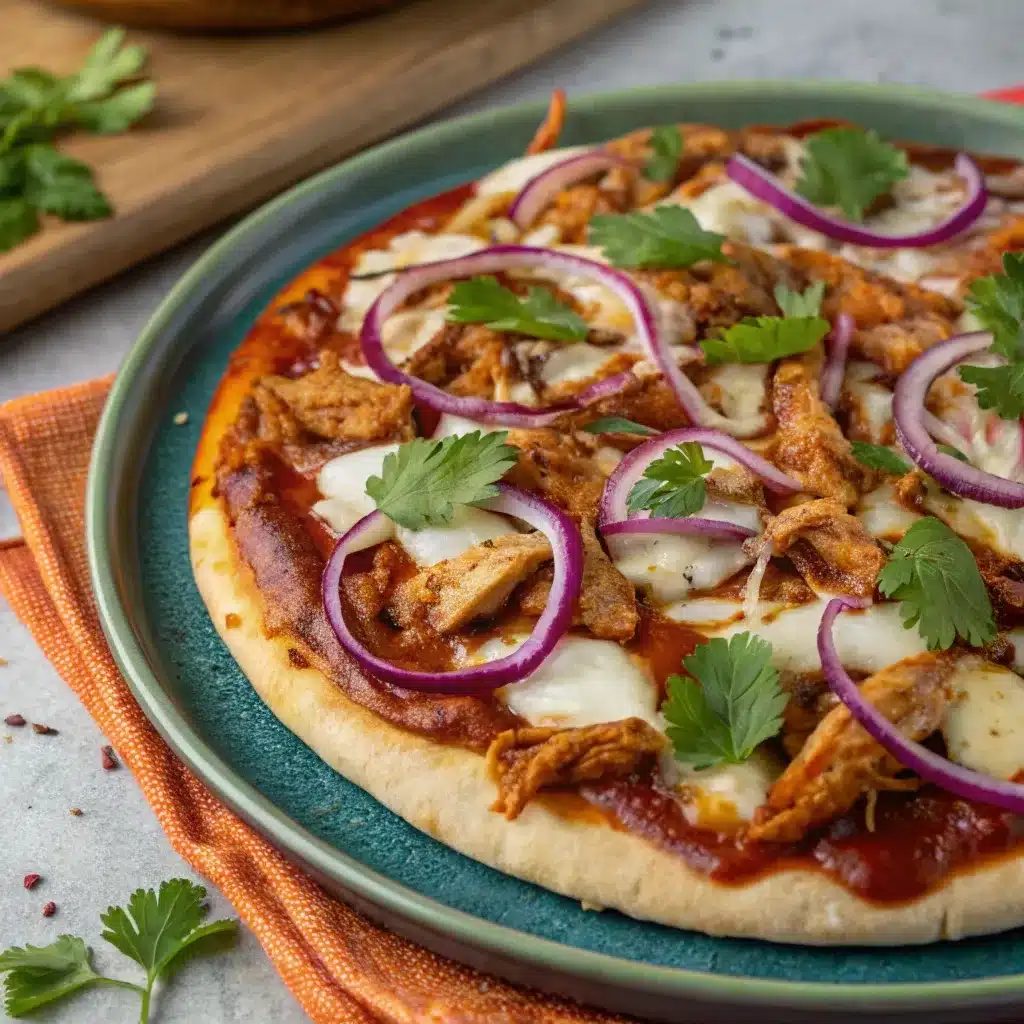
Skip the marinara! Top your pre-baked High Protein Cottage Cheese Pizza Crust with sugar-free BBQ sauce, red onions, and cilantro. For the protein, use my Slow Cooker Shredded BBQ Chicken recipe. It tastes just like a California Pizza Kitchen dupe but with double the macros.
Variation 3: The Buffalo Ranch Pizza
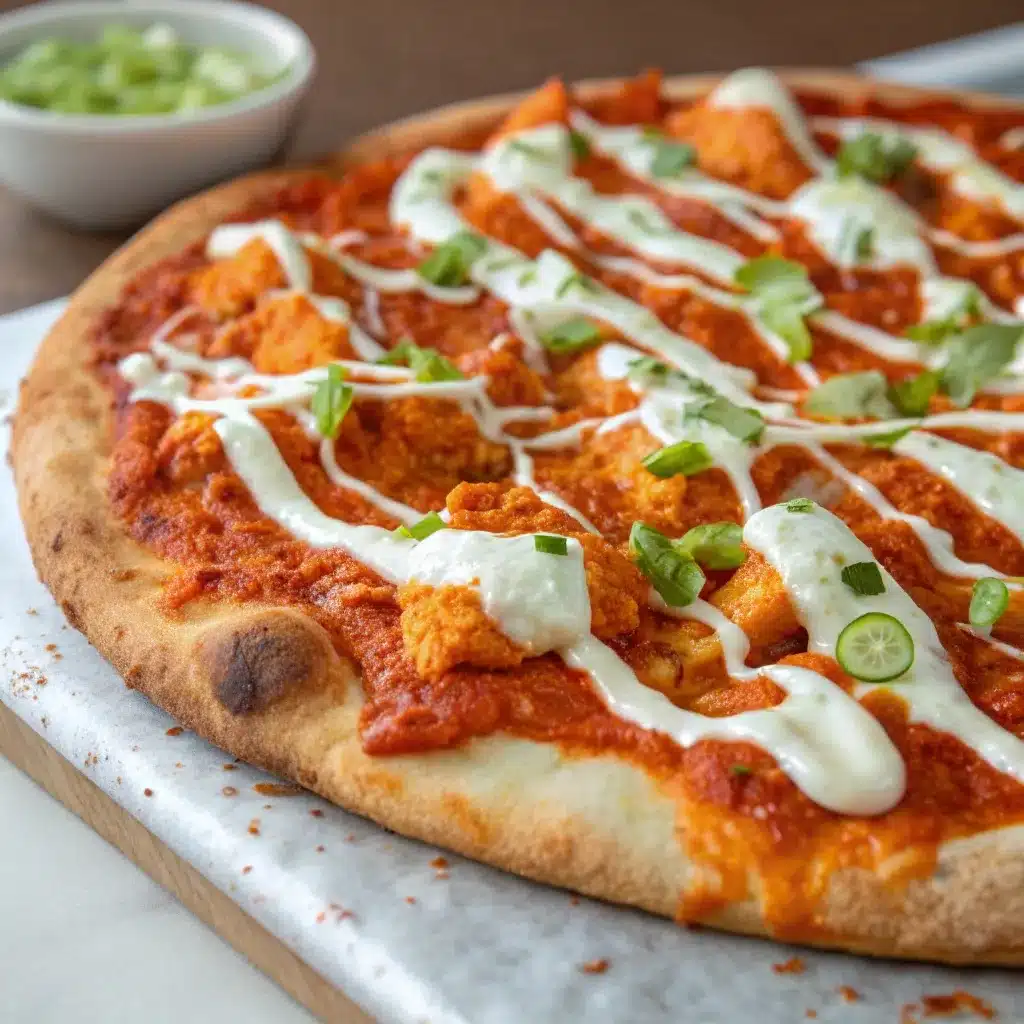
If you like it spicy, use the sauce from my Slow Cooker Buffalo Chicken Pasta as the base. Top with mozzarella and a swirl of ranch dressing after baking. It’s a game-changer for game day.
Variation 4: The Flatbread Style
Sometimes you don’t want a whole pizza. You can divide the dough into four smaller balls to make individual flatbreads. Check out my Cottage Cheese Flatbread recipe for specific timing adjustments on smaller portions.
Troubleshooting Your High Protein Cottage Cheese Pizza Crust
Even with simple ingredients, things can go wrong. Here is how to fix common issues with your Healthy Homemade Pizza Dough.
Problem: My dough is too sticky to roll.
- Solution: This dough is naturally hydrated. Simply add more flour, 1 tablespoon at a time, until it is manageable. Also, ensure your hands and the rolling pin are heavily floured.
Problem: The center is soggy.
- Solution: You likely under-baked the “Pre-Bake” stage. The crust must be dry before toppings are added. Alternatively, you might have used too much sauce. Go light on the sauce to keep the High Protein Cottage Cheese Pizza Crust crisp.
Problem: It tastes too tangy.
- Solution: Cottage cheese is a fermented dairy product, so a slight tang is normal (similar to sourdough). To mask it, add garlic powder and Italian seasoning directly into the dough mix.
Frequently Asked Questions About High Protein Pizza
Why is my 2 ingredient cottage cheese pizza crust soggy?
The #1 culprit is skipping the “Pre-Bake.” You must bake the crust alone first to set the structure. If you add sauce to raw cottage cheese dough, the moisture will seep in and prevent it from crisping. Also, ensure your cottage cheese is fully blended and not too watery—avoid “low fat” varieties if possible.
How to make crispy protein pizza in an air fryer?
The air fryer is amazing for this! Divide the dough into mini circles that fit your basket. Air fry the plain High Protein Cottage Cheese Pizza Crust at 375°F for 8 minutes. Flip it over, add your toppings, and air fry for 3-4 more minutes until the cheese melts.
Can I freeze homemade pizza dough?
Yes! Wrap the raw dough ball tightly in plastic wrap (I recommend two layers) and freeze for up to 3 months. When you’re ready to use it, let it thaw in the fridge overnight before rolling it out. For more details on food safety when freezing dairy-based doughs, consult the USDA Food Safety guidelines.
Can I use an egg in the crust?
For the standard self-rising flour version, no egg is needed—the protein structure is sufficient. However, if you are making the Cottage Cheese Pizza Crust No Flour (the almond flour variation mentioned above), the egg is absolutely necessary for binding.
Can I reheat this pizza?
Yes, but please stay away from the microwave! Microwaving will turn the protein-rich crust rubbery. Reheat slices in a skillet over medium heat to crisp the bottom, or toss them back in the air fryer or toaster oven for 2-3 minutes.
Conclusion
Pizza night doesn’t have to be a cheat meal. With this High Protein Cottage Cheese Pizza Crust, it’s a meal that actually helps you reach your fitness goals. It’s crispy, cheesy, and packed with the nutrients your body needs to recover. Whether you make the classic pepperoni or the Cottage Cheese Pizza Crust No Flour version, you are going to love having pizza back on the menu.
Craving something sweet for dessert? My High Protein Edible Cookie Dough is the perfect post-pizza treat to satisfy your sweet tooth without undoing your progress.