We all know the best part of baking is eating the raw dough. But traditional dough is loaded with sugar and risky raw eggs. This High Protein Edible Cookie Dough fixes that.
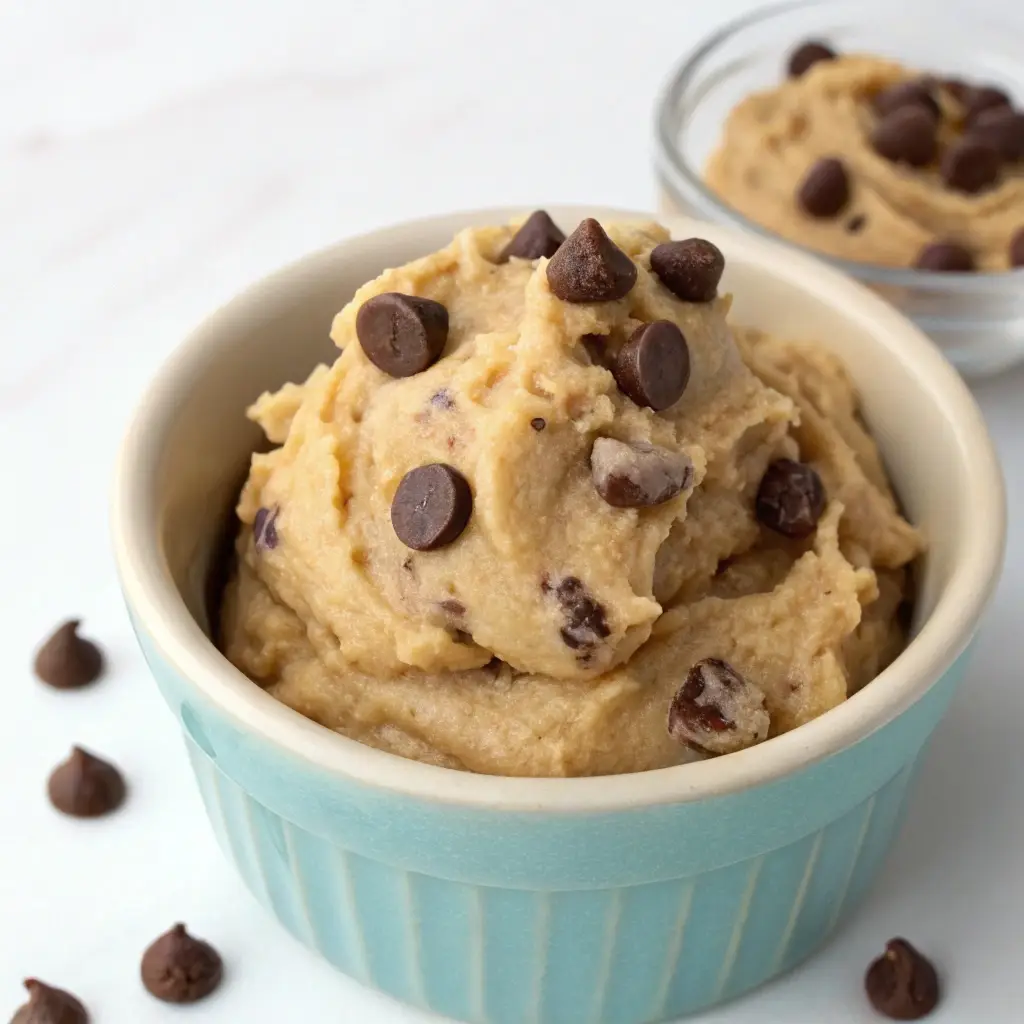
It is safe to eat, loaded with protein, and uses a secret ingredient to get that creamy texture without the butter. Yes, it’s Cottage Cheese. But I promise, once blended with vanilla and chocolate chips, you won’t taste it at all. It just tastes like indulgent, creamy cookie dough.
This recipe is the sweet star of my High Protein Cottage Cheese Recipes collection.
Table of Contents
What high protein dessert actually tastes good? (The Science)
If you have ever tried “healthy” cookie dough made from chickpeas, you know the texture can be grainy, dry, or distinctly “beany.” This recipe works differently because we tackle the texture first, creating a cottage cheese cookie dough that rivals the real thing.
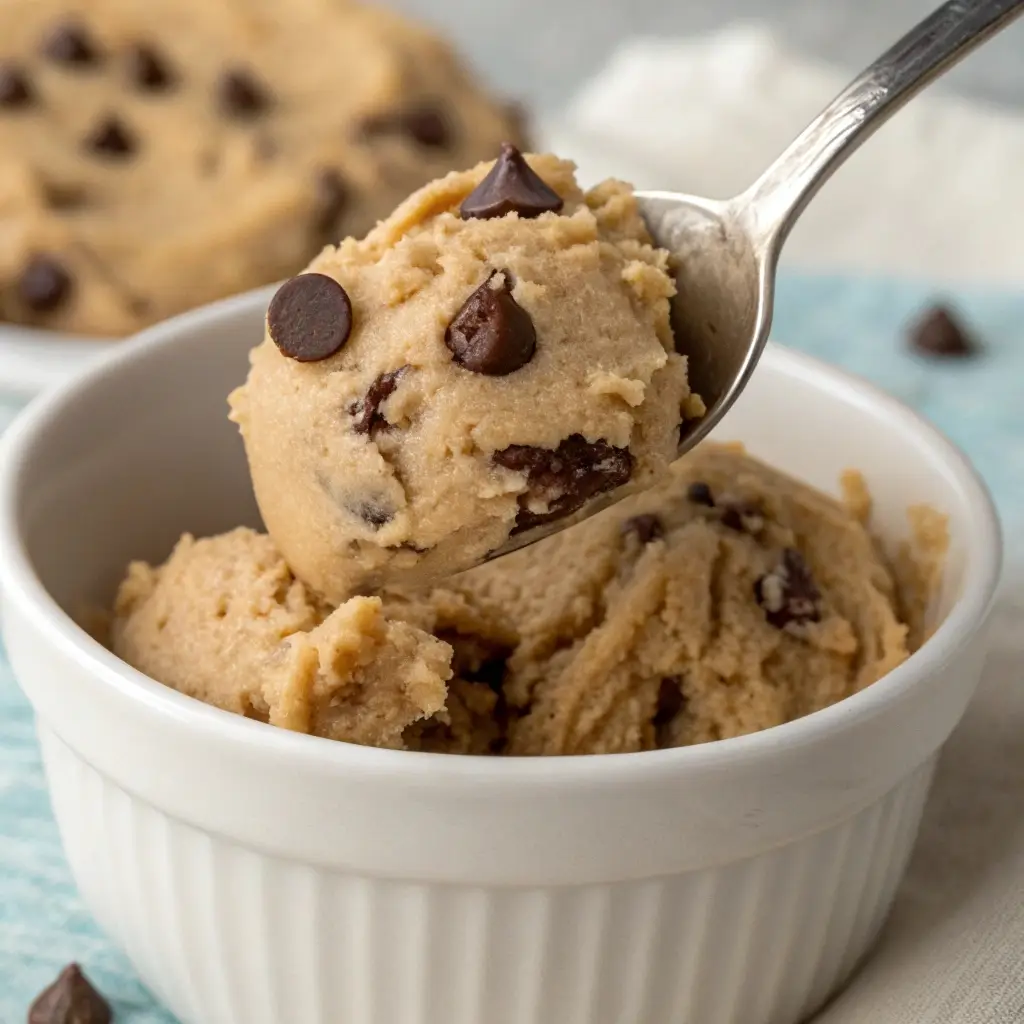
The Creamy Factor: Why Cottage Cheese?
By using blended cottage cheese, we mimic the exact mouthfeel of cream cheese or high-fat butter. When you blend cottage cheese high-speed, the curds disappear completely, leaving behind a rich, velvety base that is mostly casein protein. This slow-digesting protein makes the dough incredibly satisfying and thick, unlike watery low-fat alternatives. It provides that dense, “fudgy” resistance you expect when digging a spoon into a bowl of dough.
The Sweetener Balance
Cottage cheese has a natural tang (lactic acid) that can remind people of cheesecake. To neutralize this and make it taste like true healthy cookie dough, we use maple syrup or a strong liquid sweetener. The sweetness masks the tang effectively, while a generous splash of vanilla extract tricks your brain into thinking “baked goods.” The result is a low calorie cookie dough recipe that feels indulgent but supports your fitness goals.
How to make healthy high protein cookie dough?
The formula is simple and flexible: Base (Blended Cottage Cheese) + Binder (Protein Powder & Oat/Almond Flour) + Flavor (Vanilla & Chocolate Chips). This combination gives you a dessert that actually fuels your muscles rather than spiking your insulin, making it the perfect post-workout treat or late-night snack.
Print
High Protein Edible Cookie Dough
- Total Time: 10 mins
- Yield: 2 Servings 1x
Description
This High Protein Edible Cookie Dough is the ultimate healthy dessert. Made with blended cottage cheese and protein powder, it is safe to eat and packs 20g protein per bowl.
Ingredients
- 1 cup Full Fat Cottage Cheese (good culture brand recommended)
- 2 tbsp Maple Syrup (or sugar-free syrup)
- 1 tsp Vanilla Extract
- 2/3 cup Almond Flour (or heat-treated Oat Flour)
- 1/2 cup Vanilla Protein Powder (Casein or Whey Blend)
- 1/3 cup Chocolate Chips (mini works best)
- Pinch of Salt
Instructions
- Blend: Add cottage cheese, maple syrup, and vanilla to a blender. Blend on high until completely smooth and creamy. Ensure no curds remain.
- Mix: Pour the wet mixture into a bowl. Add the flour, protein powder, and salt. Stir until a thick dough forms.
- Adjust: If the dough is too sticky, add more flour 1 tbsp at a time. If too dry, add a splash of milk.
- Fold: Fold in the chocolate chips.
- Chill: For the best texture, chill in the fridge for 20 minutes before eating to let the protein powder absorb the moisture.
Notes
- Protein Powder: Use a powder you enjoy the taste of, as it is a primary flavor.
- Safety: If using Oat Flour, microwave it for 60 seconds first to heat-treat it.
- Storage: Store in the fridge for up to 4 days.
- Prep Time: 10 mins
- Cook Time: 0 mins
- Category: Dessert
- Method: No-Bake
- Cuisine: American
Nutrition
- Serving Size: 1/2 Recipe
- Calories: 280
- Sugar: 12g
- Sodium: 350mg
- Fat: 10g
- Saturated Fat: 4g
- Carbohydrates: 22g
- Fiber: 4g
- Protein: 24g
- Cholesterol: 15mg
Ingredients & The Protein Powder Guide
To make low calorie cookie dough recipe that tastes authentic, specific ingredients matter. Every component plays a role in texture and flavor masking.
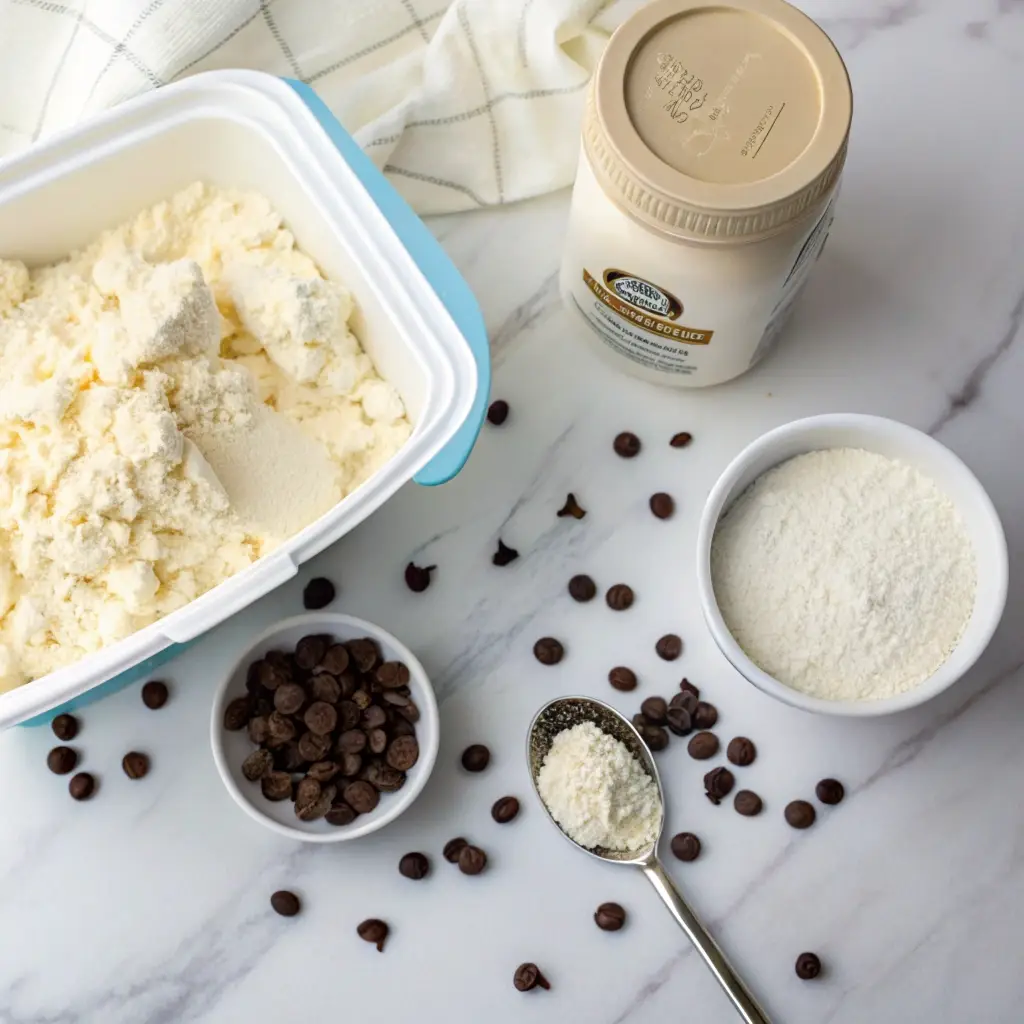
The Base: Full Fat is Key
- Full Fat Cottage Cheese: Use 4% milkfat small curd cottage cheese. Fat-free versions are too watery and will make your edible cookie dough soupy rather than scoopable. The fat helps carry the vanilla flavor and provides that luxurious mouthfeel. Brands like Good Culture are often thicker and work best.
- Leftover Tip: If you buy a large tub, use the leftovers to make my viral Cottage Cheese Flatbread for a savory lunch wrap.
- Sweetener: Pure Maple Syrup adds the best flavor profile, mimicking the brown sugar notes in traditional cookies. For a lower sugar option, use a sugar-free syrup (like Monkfruit or Stevia-based syrups), but be aware the aftertaste might be slightly different.
The Binder: Heat-Treated Flour
We use Almond Flour or Oat Flour to give the dough body. If you are aiming for a gluten free edible dough, both of these are excellent choices.
- Safety Note: If using Oat Flour, it is crucial to heat-treat it (microwave for 60 seconds) to kill any potential bacteria, making this edible cookie dough safe to eat. Almond flour does not need to be heat-treated.
The Protein: A Critical Choice
Can I add protein powder to edible cookie dough? Yes! It is essential for creating the dough-like consistency. However, the type of powder you use changes the texture significantly.
- What is the best protein powder for baking cookies or dough? A Casein or Whey/Casein blend is superior here. Casein is thicker and absorbs liquid much better than whey, creating a pudding-like or doughy texture that is pleasant to eat raw. Pure Whey Isolate can sometimes become sticky or runny because it doesn’t absorb moisture the same way.
- What happens if you add protein powder to cookies? Protein powder acts like flour—it is a desiccant (it absorbs moisture). If you add too much without enough liquid (like our cottage cheese), the dough will become crumbly and dry. Start with less; you can always add more to reach your desired consistency for this healthy cookie dough with protein powder.
How to Make High Protein Cookie Dough (Step-by-Step)
This recipe comes together in about 5 minutes. No baking required, which means no heating up the house!
Step 1: The Safety Step (Heat Treating)
If you are using oat flour or all-purpose flour, you must not skip this step. Raw flour can contain bacteria. Place your flour in a microwave-safe bowl and heat for 60-90 seconds, stirring every 30 seconds, until it reaches 160°F. This simple step ensures your edible cookie dough is safe to eat. If using Almond Flour, you can skip this step entirely.
Step 2: The Blend (The “No Curd” Zone)
Place your cottage cheese, maple syrup, and vanilla extract into a blender or food processor. Blend on high until completely smooth.

- Chef’s Tip: Do not stop until every single curd is gone. Scrape down the sides and blend again. It should look glossy and smooth like heavy cream. This is the secret to making undetectable cottage cheese cookie dough.
Step 3: The Mix
Pour the liquid base into a mixing bowl. Stir in your heat-treated flour and protein powder. What is the best binder for protein bites? In this recipe, the protein powder acts as the binder. It firms up the loose cottage cheese into a scoopable dough. If it’s too sticky, add more flour one tablespoon at a time until it pulls away from the sides of the bowl.
Step 4: The Fold
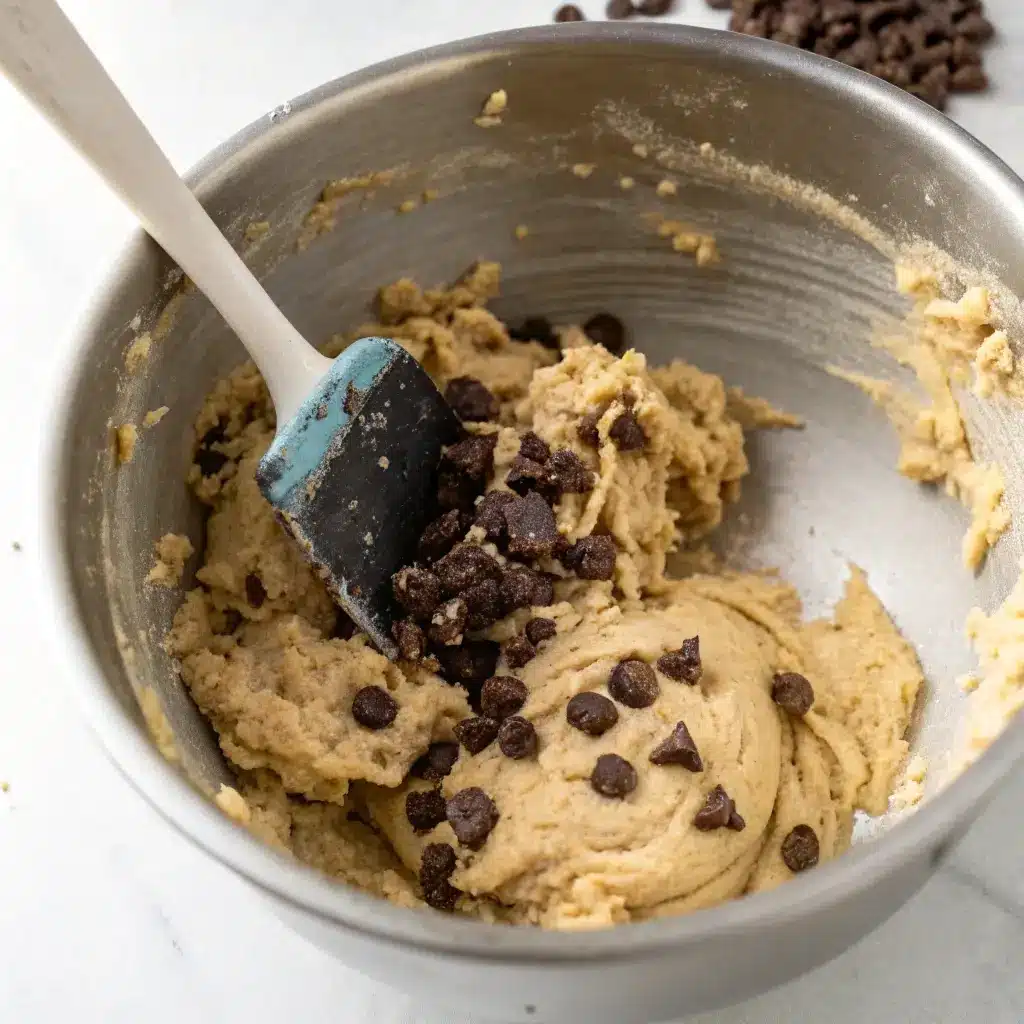
Fold in your chocolate chips. I prefer mini chocolate chips so you get chocolate in every bite without overwhelming the dough. What should you not mix with protein powder? Avoid adding boiling liquids (it creates clumps) or highly acidic citrus juices (it can curdle dairy-based powders). Stick to cold or room-temp mixes like this dough.
Flavor Variations & Substitutions
It’s easy to customize this High Protein Edible Cookie Dough with different mix-ins to make all sorts of flavor profiles. Here are some of my favorite twists:

- Triple Chocolate Cookie Dough: For the chocolate lovers. Replace the vanilla protein powder with a rich Chocolate Protein Powder and stir in 1 tablespoon of dark cocoa powder. Use half white chocolate chips and half dark chocolate chips for the mix-ins. This turns it into a decadent brownie batter dip.
- Edible Pistachio Cookie Dough: Stir in 1 tablespoon of Pistachio Paste or almond butter for a nutty, gourmet twist. You can also add chopped pistachios and dried cranberries for texture.
- Nut-Free Edible Cookie Dough: Use Heat-Treated Oat Flour instead of almond flour to keep it nut-free. Use sunflower seed butter if you want to add extra healthy fats. This makes it a perfect school-safe lunchbox treat for kids who need extra protein.
- Birthday Cake Batter: Use vanilla protein, skip the chocolate chips, and add 2 tablespoons of rainbow sprinkles and a drop of almond extract. This version tastes exactly like cake batter and is a huge hit at parties. If you love sweet party snacks, you might also enjoy my Peppermint Puppy Chow mix.
- Peanut Butter Lover’s: Add 2 tablespoons of peanut butter powder (PB2) or natural peanut butter to the base. Swap chocolate chips for peanut butter chips for a Reese’s inspired treat.
Common Questions About Heating & Baking
Since this recipe contains protein powder, many people wonder if it can be baked into traditional cookies.
Will heat destroy protein powder?
No. Heat causes “denaturation” (changing the structure of the protein molecule), but your body still absorbs the amino acids perfectly fine. According to health experts, cooking with protein powder does not ruin its nutritional value. However, since this is a no-bake recipe, we don’t have to worry about the dry, rubbery texture that often comes from baking whey protein!
What are the 3 ingredient high protein cookies?
While this cottage cheese cookie dough is gourmet, you can make a simpler “3 ingredient” version with just Mashed Bananas, Rolled Oats, and Protein Powder if you are in a rush. That version tastes more like breakfast oatmeal bars, similar to my Sugar Cookie Protein Baked Oats. This recipe, however, offers a true creamy dessert experience.
Frequently Asked Questions
Is it okay to eat protein balls every day?
Absolutely. As long as you are mindful of the sugar content (use sugar-free chocolate chips to keep it low), this is a perfectly healthy daily snack. It provides a steady release of amino acids to support muscle recovery and keep hunger at bay.
Can I bake this dough into cookies?
No. This recipe lacks eggs, butter, and baking soda/powder. If you put it in the oven, it will just melt into a puddle. Keep it raw! It is designed specifically as edible cookie dough safe to eat directly from the bowl.
Can I freeze this dough?
Yes! Roll them into bite-sized balls and freeze for up to 3 months. Frozen protein dough balls taste almost like ice cream bites and are great for portion control.
Can I make this without a blender?
You can, but the cottage cheese curds will remain visible. It will taste good—like a textured cheesecake batter—but it won’t look or feel like smooth gluten free edible dough. For the most convincing texture, blending is non-negotiable.
Is raw flour safe to eat?
Raw flour can contain E. coli. That is why we heat treat the flour if using anything grain-based like oat or wheat flour. Almond and coconut flours are generally safe to eat raw without heat treatment.
Is this recipe Gluten Free?
Yes, this is naturally a gluten free edible dough if you use Almond Flour or certified Gluten-Free Oat Flour. Just double-check your protein powder label to ensure it wasn’t processed on shared equipment with wheat.
Conclusion
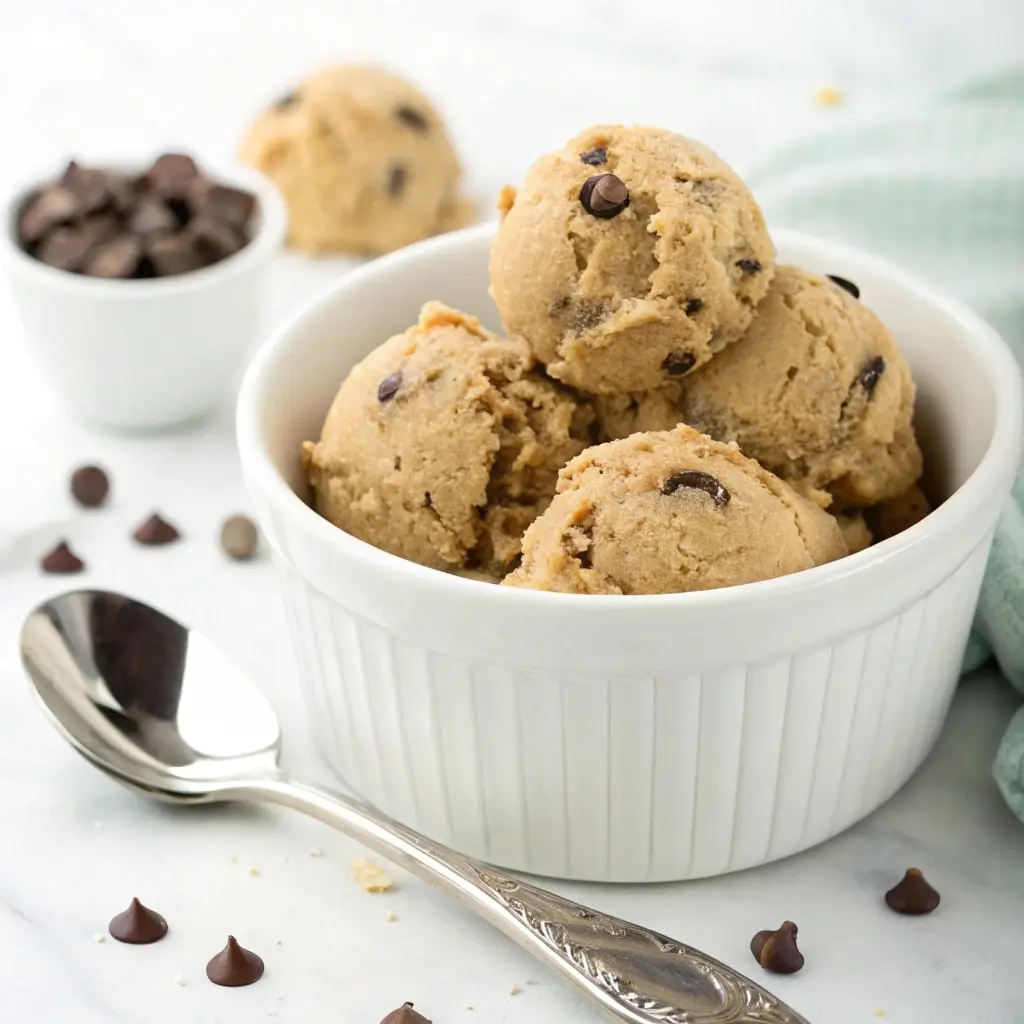
This High Protein Edible Cookie Dough is a safe, delicious way to eat raw cookie dough that actually hits your macros. It’s creamy, satisfying, and feels like a total cheat code for your diet. Whether you eat it by the spoonful or roll it into bites for the week, it’s the perfect solution for your sweet tooth.
Craving something sweet but dippable? Try my High Protein Dunkaroo Dip for a nostalgic treat that pairs perfectly with fruit.