Vegetarian Split Pea Soup offers the ultimate proof that you do not need highly processed, inflammatory meats to create rich, deeply satisfying comfort food. By swapping traditional ham hocks for the earthy, warming depth of smoked Spanish paprika, this recipe delivers all the cozy nostalgia of your childhood without the subsequent sodium bloat. Consequently, you enjoy a deeply nourishing bowl of hearty winter wellness.
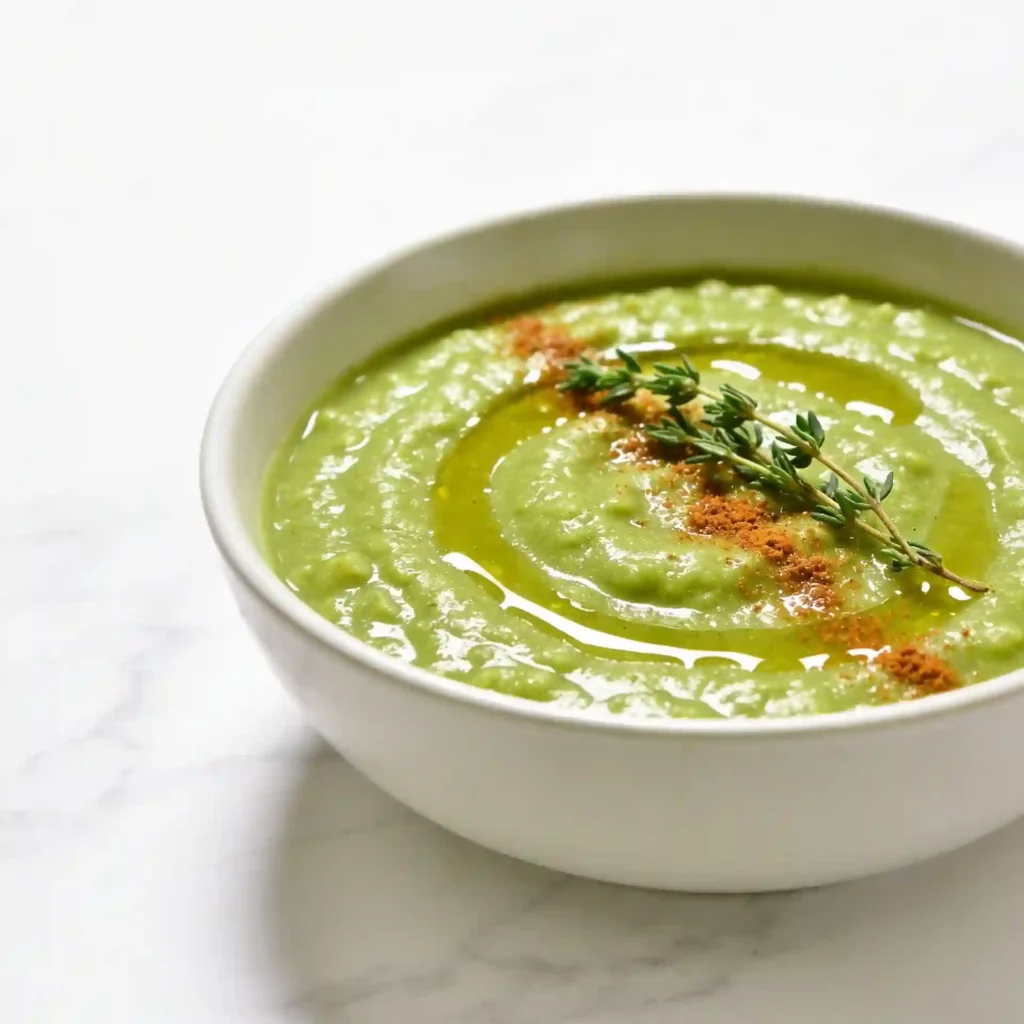
Furthermore, as a grounding anchor in our 31-Day Anti-Inflammatory Meal Plan, this vegan split pea soup recipe is purposefully designed to heal your gut, fight seasonal sniffles, and keep you remarkably full.
Table of Contents
Why You Will Fall in Love with this Vegetarian Split Pea Soup
Most people assume that omitting pork from traditional recipes leaves the broth tasting flat and watery. However, this anti inflammatory soup recipe fundamentally changes those rules by utilizing strategic, plant-based culinary techniques.
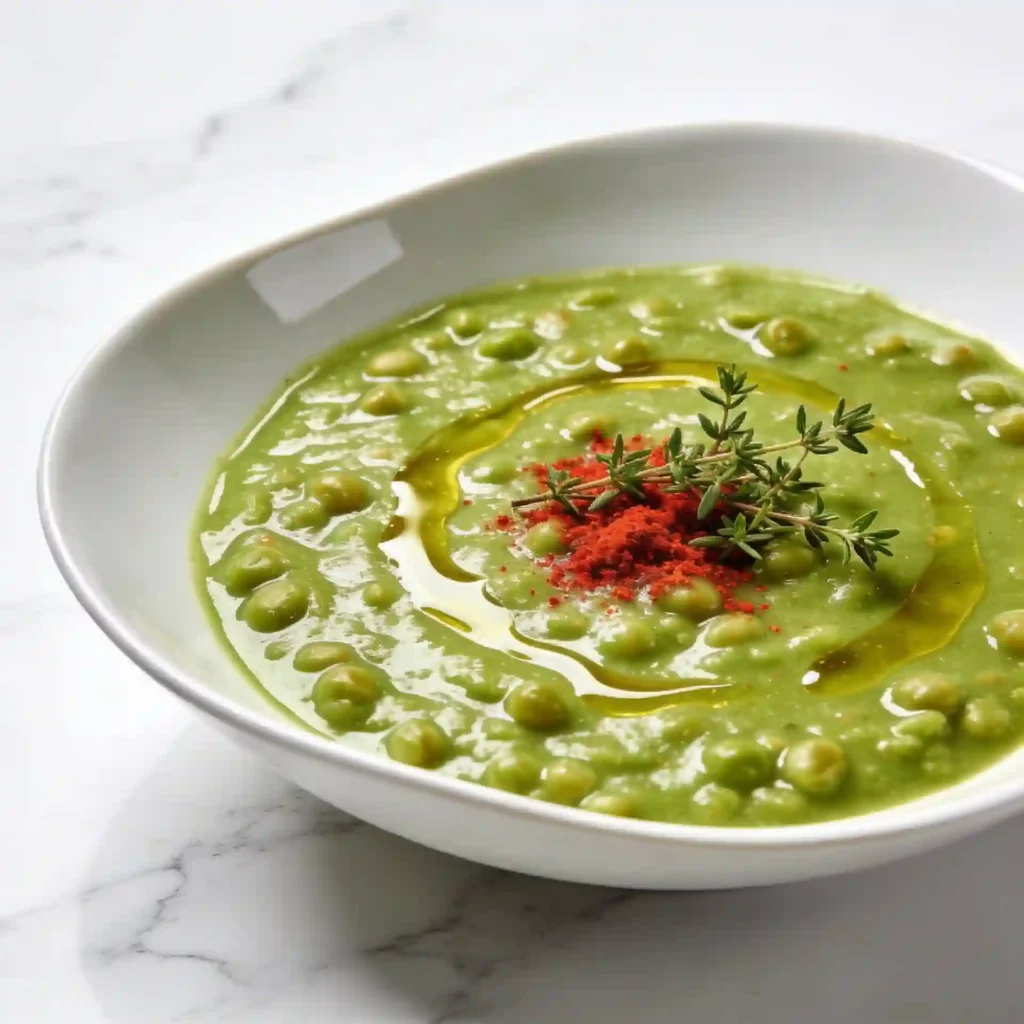
The “Secret Ingredient” Swap
You are probably wondering how to achieve that classic, savory depth without meat. Interestingly, high-quality smoked paprika acts as the ultimate liquid smoke alternative. Specifically, it tricks your palate into experiencing a deep umami flavor without introducing the inflammatory nitrates commonly found in cured pork. Therefore, you enjoy a rich, robust bowl of soup that actually supports your metabolic health. For a deeper understanding of how these spices benefit the body, review this comprehensive guide on the anti-inflammatory properties of paprika.
A Fiber and Protein Powerhouse
Furthermore, split peas represent one of the most concentrated sources of plant-based protein and soluble fiber on the planet. Consequently, this soluble fiber powerhouse actively sweeps toxins from your digestive tract while stabilizing your blood sugar. Ultimately, this ensures you remain perfectly satiated for hours after your meal.
Budget-Friendly and Make-Ahead Magic
Additionally, dried split peas are incredibly cost-effective. Because they expand significantly during cooking, this healthy split pea soup produces a massive batch for just a few dollars. Even better, the soup actually tastes significantly better on day two or three as the savory flavors meld together in the refrigerator.
Flu-Fighting Warmth
Finally, the precise combination of fresh garlic, yellow onions, and paprika creates a potent, immune-boosting broth. Specifically, this restorative liquid naturally warms the body from the inside out and actively fights off systemic inflammation during cold and flu season.
Print
Vegetarian Split Pea Soup
- Total Time: 75 minutes
- Yield: 6 servings 1x
Description
Craving comfort? This Vegetarian Split Pea Soup is a high-protein, anti-inflammatory soup recipe. Get deep, smoky umami flavor in a rich split pea soup without the inflammatory ham.
Ingredients
The Base & Aromatics:
- 1 lb Dried Green Split Peas (about 2 cups), rinsed and sorted for debris
- 1 tablespoon Extra Virgin Olive Oil (or Avocado Oil)
- 1 large Yellow Onion, finely diced
- 2 large Carrots, chopped
- 2 stalks Celery, chopped
- 4 cloves Garlic, minced
The Savory Broth:
- 1 tablespoon Smoked Spanish Paprika (do not substitute with sweet paprika)
- 6 cups Low-Sodium Vegetable Broth
- 1 Bay Leaf
The Finishing Touch:
- 1 tablespoon Coconut Aminos (soy sauce alternative)
- 1 tablespoon Fresh Lemon Juice
- Salt and freshly cracked Black Pepper (to taste)
Instructions
- The Aromatic Sauté: Heat the olive oil in a large, heavy-bottomed Dutch oven over medium heat. Add the diced yellow onions, chopped carrots, and celery. Sauté for 5 to 7 minutes until the vegetables are thoroughly softened.
- The Spice Bloom: Add the minced garlic and the smoked Spanish paprika to the softened vegetables. Stir the mixture constantly for exactly 60 seconds. Blooming the spices in the hot oil actively releases their essential oils and creates a deep, smoky aroma.
- The Great Simmer: Carefully pour in the rinsed green split peas, the low-sodium vegetable broth, and the bay leaf. Stir everything together and increase the heat to bring the mixture to a rapid, rolling boil.
- The Low-and-Slow Breakdown: Once boiling, immediately reduce the heat to low. Cover the Dutch oven tightly and let it simmer gently for 45 to 60 minutes. You must stir the pot occasionally to prevent the heavy peas from sticking to the bottom.
- The Acidic Finish: Once the peas have broken down into a thick, creamy stew, remove the pot from the heat and discard the bay leaf.
- Balance the Flavor: Stir in the coconut aminos and a generous squeeze of fresh lemon juice to instantly brighten and balance the earthy flavors. Taste and adjust seasoning with salt and pepper as needed. Serve hot.
Notes
- Texture Control: If you prefer a completely smooth, velvety texture, you can use an immersion blender to quickly puree half of the soup directly in the pot before adding the lemon juice.
- Storage and Reheating: This soup thickens significantly as it cools. Store leftovers in an airtight container for up to 5 days. When reheating on the stove, whisk in a splash of water or vegetable broth to loosen the texture.
- Prep Time: 15 minutes
- Cook Time: 60 minutes
- Category: Soup / Dinner
- Method: Stovetop / Simmering
- Cuisine: American
Nutrition
- Serving Size: 1 large bowl
- Calories: 280
- Sugar: 6g
- Sodium: 380mg
- Fat: 3g
- Saturated Fat: 0.5g
- Unsaturated Fat: 2g
- Carbohydrates: 45g
- Fiber: 16g
- Protein: 16g
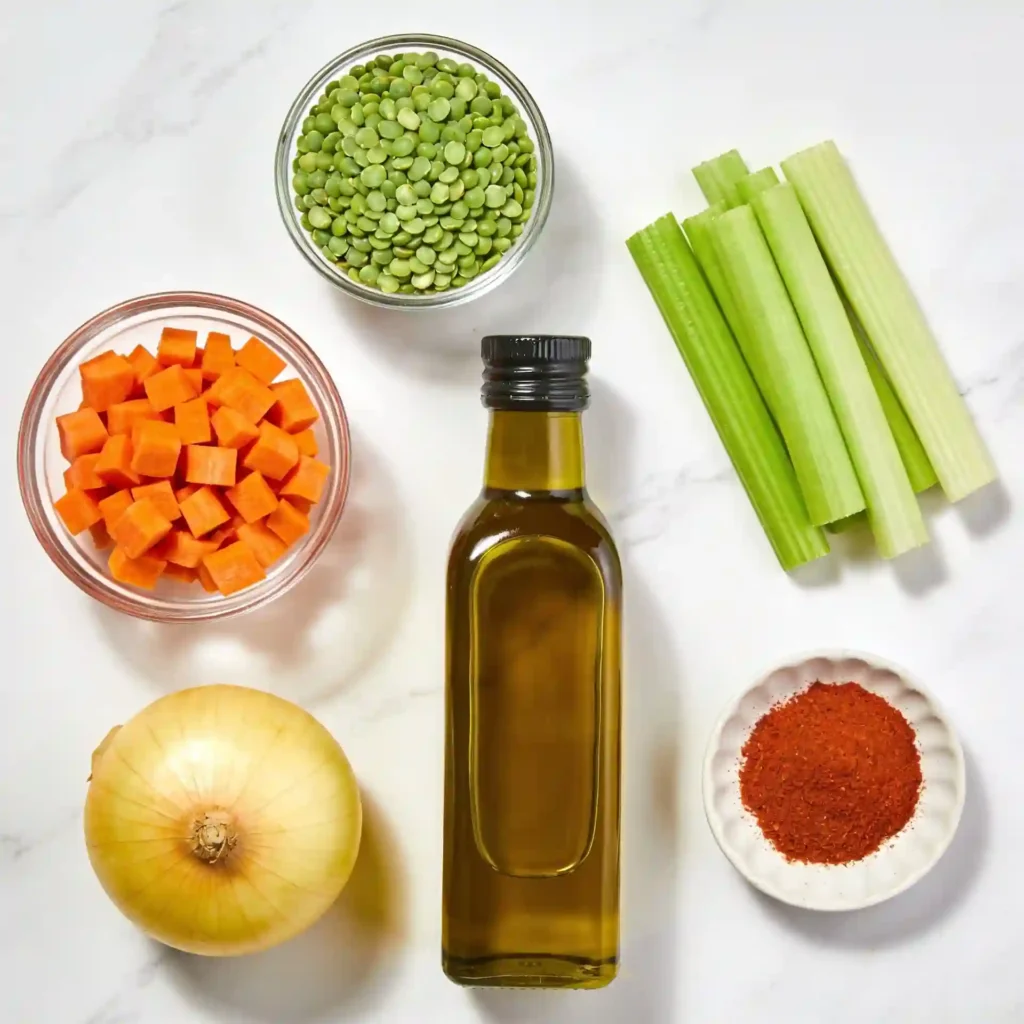
Ingredients for your Vegetarian Split Pea Soup
Gathering high-quality, fresh components guarantees a spectacularly flavorful and healing stew. Obviously, prioritizing fresh aromatics elevates the final dish significantly.
The Legume Base
First, you need 1 lb (about 2 cups) of Dried Green Split Peas. You must rinse them thoroughly under cold water and manually sort through them to remove any small debris or stones.
The “Flavor Bomb” Aromatics
Next, gather your powerful spices to create the ultimate healing broth.
- 1 tbsp Smoked Spanish Paprika: This is the absolute secret to a successful smoked paprika split pea stew. Do not substitute this with regular sweet paprika, or you will completely lose the faux-ham aroma!
- 1 tbsp Extra Virgin Olive Oil or Avocado Oil: Use a high-quality oil to bloom your spices properly.
- 4 cloves Garlic (Minced) & 1 large Yellow Onion (Diced): These aromatics provide the necessary savory, immune-boosting depth.
The Hearty Veggies
Following the aromatics, chop your root vegetables to provide essential bulk, sweetness, and vital nutrients.
- 2 large Carrots: Chop these evenly for a natural, earthy sweetness.
- 2 stalks Celery: Chop these to complete your classic mirepoix vegetable base.
The Savory Broth and Umami Finish
Finally, gather the liquids that will break down the legumes.
- 6 cups Low-Sodium Vegetable Broth: Choose a high-quality broth to control your sodium intake.
- 1 Bay Leaf: This adds a subtle, herbal complexity to the simmering pot.
- 1 tbsp Coconut Aminos & a splash of fresh lemon juice: You will stir these in at the very end to brighten the heavy, earthy flavors.
Easy Steps for the Best Anti Inflammatory Soup Recipe
Executing these steps properly ensures you coax the maximum amount of flavor out of your humble ingredients.
Step 1: The Aromatic Sauté
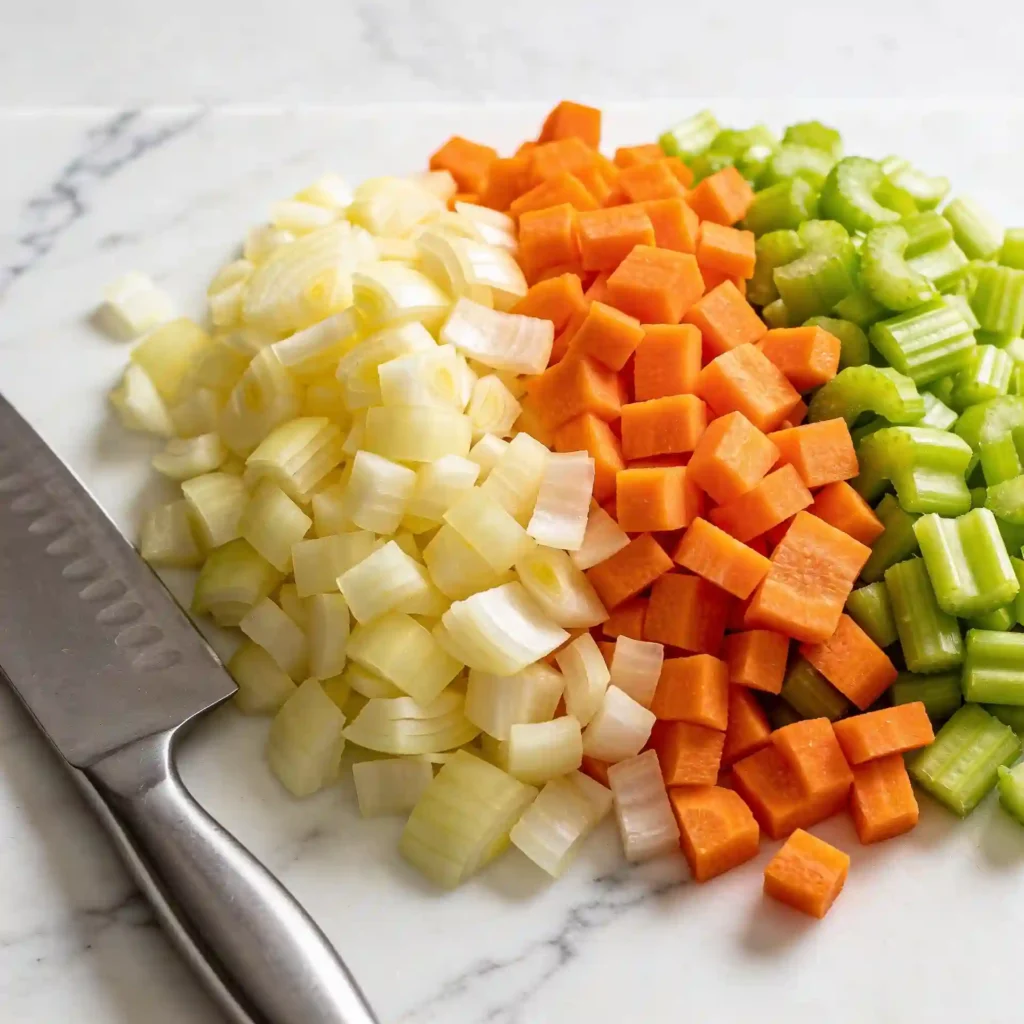
Begin by heating the olive oil in a large, heavy-bottomed Dutch oven over medium heat. Next, sauté the diced onions, chopped carrots, and celery for 5 to 7 minutes until they are thoroughly softened. Consequently, building this classic mirepoix vegetable base serves as the fundamental secret to establishing a rich, complex flavor profile.
Step 2: The Spice Bloom
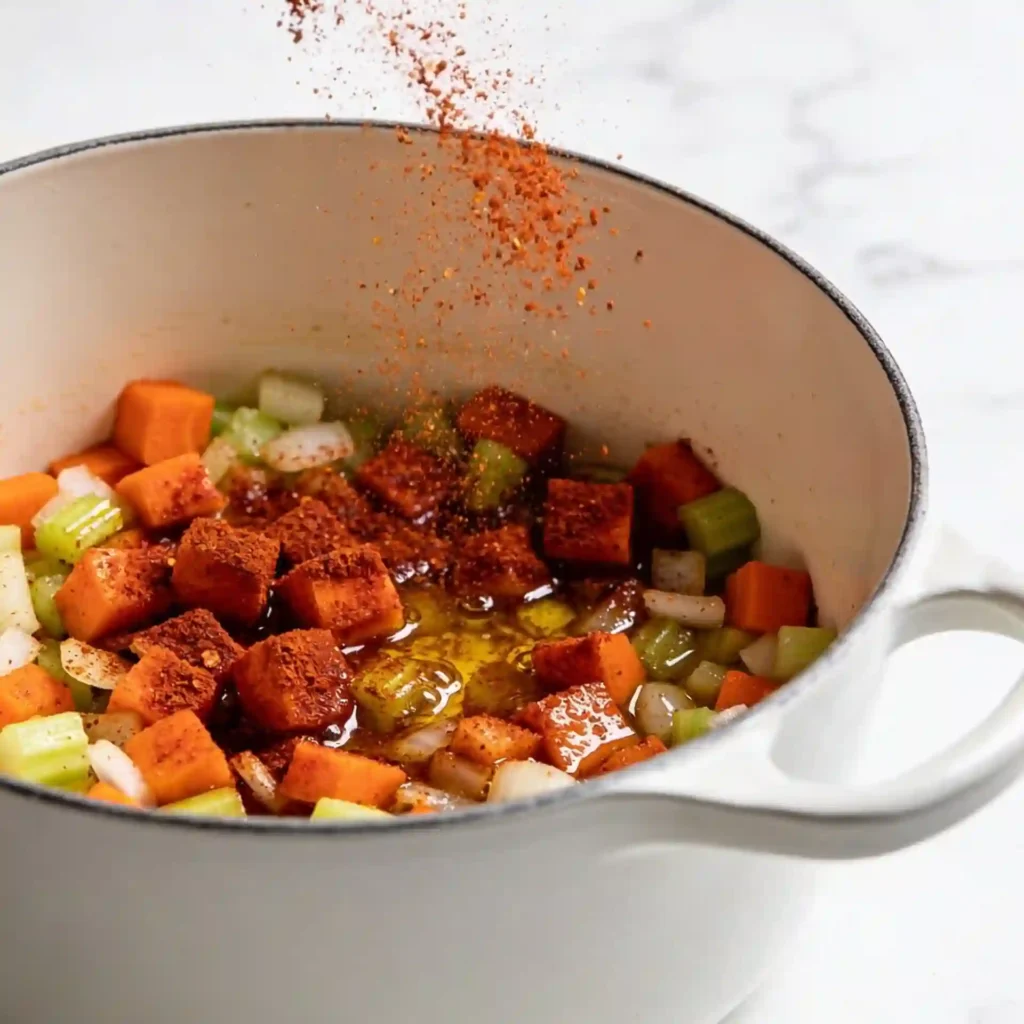
Afterward, add the minced garlic and the smoked Spanish paprika directly into the softened vegetables. You must stir this mixture constantly for exactly 60 seconds. Therefore, “blooming” the spices in the hot oil actively releases their essential oils, immediately creating that intense, smoky, faux-ham aroma throughout your kitchen.
Step 3: The Great Simmer
Next, carefully pour in the rinsed green split peas, the low-sodium vegetable broth, and the single bay leaf. Stir everything together and increase the heat to bring the mixture to a rapid, rolling boil.
Step 4: The Low-and-Slow Breakdown
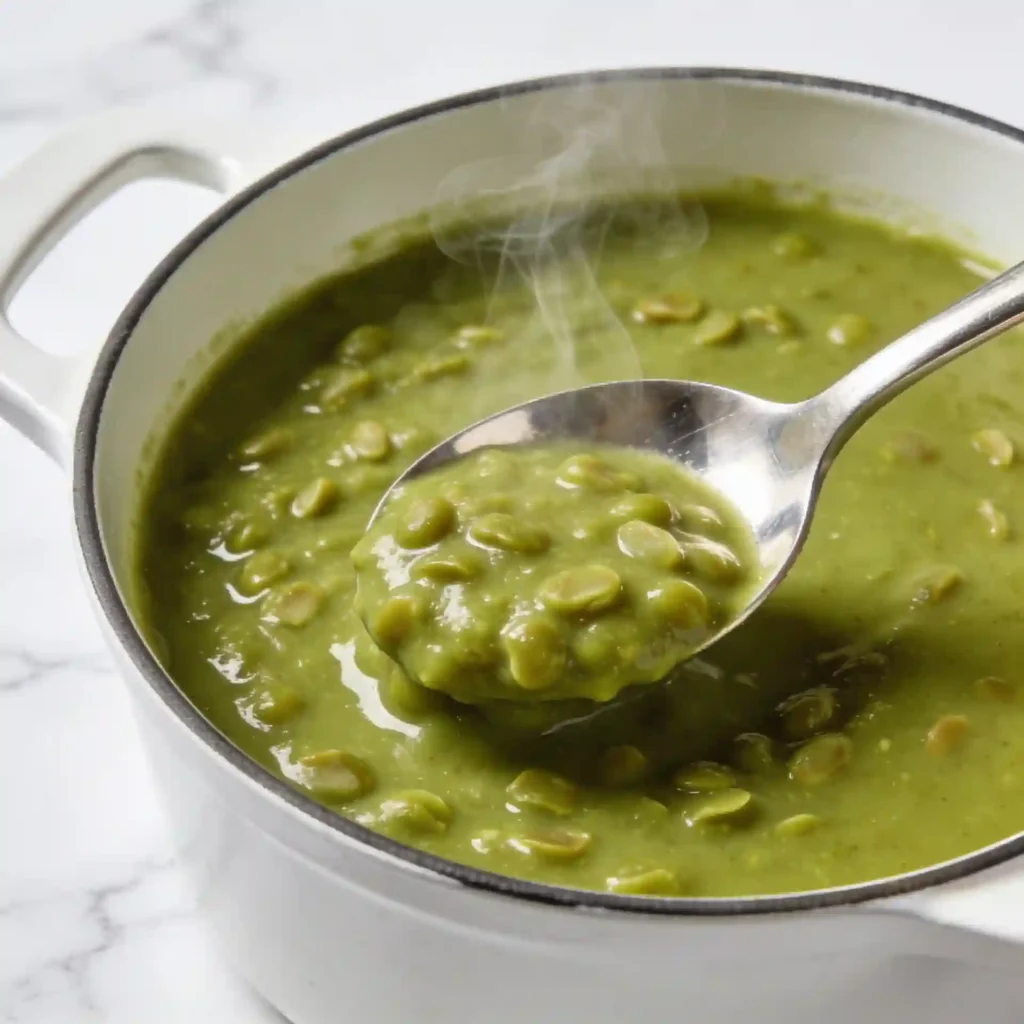
Once boiling, immediately reduce the heat to low. Cover the Dutch oven tightly and let it simmer gently for 45 to 60 minutes. Crucially, you must stir the pot occasionally to prevent the heavy peas from sinking and sticking to the bottom. Eventually, the slow simmer will cause the legumes to break down naturally.
Step 5: The Acidic Finish
Finally, once the peas have melted into a thick, creamy stew, remove the pot from the heat. Discard the bay leaf. If you prefer a completely smooth immersion blender texture, you can blend half the soup now. Ultimately, stir in the coconut aminos and a generous squeeze of fresh lemon juice to instantly brighten and balance the heavy, earthy flavors.
Mastering Your Vegetarian Split Pea Soup Recipe
Small adjustments easily elevate this dish from a standard weeknight dinner to a highly satiating, restaurant-quality meal.
What are the most common split pea soup mistakes?
Many home cooks struggle with achieving the perfect texture.
- Mistake #1: Adding acid too early. You must never add tomatoes, vinegar, or lemon juice while the peas are actively cooking. Specifically, the acid violently hardens the outer shell of the legume, meaning they will stay crunchy forever.
- Mistake #2: Burning the bottom. Because split peas absorb massive amounts of liquid, they become very heavy. Therefore, you must stir the pot every 15 minutes during the last half of cooking to completely prevent scorching.
How to enhance the flavor of pea soup?
The true secret to elevating a dull soup lies in the acid. If your finished soup tastes “flat” or muddy, do not immediately add more salt. Instead, stir in a fresh squeeze of lemon juice or a small splash of apple cider vinegar. Consequently, the bright acidity wakes up the earthy legumes instantly, delivering a perfectly balanced profile. For more culinary tips on balancing savory dishes, explore this chef’s guide to utilizing cooking acids.
What to add to soup for more protein?
While this healthy split pea soup is naturally protein-rich, you can easily boost its nutritional profile further. Simply top your bowl with a handful of toasted hemp seeds right before serving. Alternatively, serve the hot stew alongside a scoop of high-protein quinoa for a complete, plant-based amino acid profile.
Expand Your Cozy and Comforting Soup Repertoire
To build a complete, healing menu throughout the chilly winter months, try these strategic, nutrient-dense culinary pairings:
- For a Bean-Based Alternative: If you absolutely love hearty, rustic legumes, you must try our incredibly savory Tuscan White Bean Soup.
- For a Low-Carb Option: If you are watching your carbohydrate intake, prep a batch of our vibrant, nutrient-dense High Protein Butternut Squash Soup.
- For a Slow-Cooker Chili: Prefer to let your appliances do the work? Check out our set-it-and-forget-it Slow Cooker White Chicken Chili.
- Explore the Full Category: Need more winter wellness inspiration? Browse all of our healing Cozy and Comforting Soup Recipes today!
FAQs About Vegetarian Split Pea Soup
Can I put smoked paprika in pea soup?
Yes, absolutely! It is the absolute best way to add a rich, deep, smoky flavor to your broth without relying on inflammatory ham or bacon.
What is the secret ingredient in split pea soup?
Aside from the smoked paprika, the true secret ingredient is a splash of fresh lemon juice or coconut aminos. Specifically, stirring these in at the very end perfectly balances the heavy, earthy flavors of the legumes.
Is split pea soup good for you when you have the flu?
Yes, it is phenomenal for recovery. The warm vegetable broth, combined with the therapeutic garlic and onions, makes it an incredibly soothing, immune-boosting meal when you are feeling under the weather.
What is the best soup for inflammation?
The best healing soups utilize a clean vegetable broth base, entirely omit processed meats, and rely heavily on potent anti-inflammatory spices. Therefore, utilizing garlic, ginger, turmeric, or high-quality smoked paprika yields the best metabolic results.
Why does my stomach hurt after eating Vegetarian Split Pea Soup?
Split peas are extremely high in dietary fiber. If your body is not accustomed to a high-fiber diet, it can cause temporary bloating as your gut adapts. Always be sure to drink plenty of water to help the soluble fiber move smoothly through your digestive system.
Conclusion
Ultimately, you do not need processed meats to enjoy a bowl of pure, winter nostalgia. This Vegetarian Split Pea Soup proves definitively that healing, plant-based ingredients can provide all the deep umami flavor you crave.
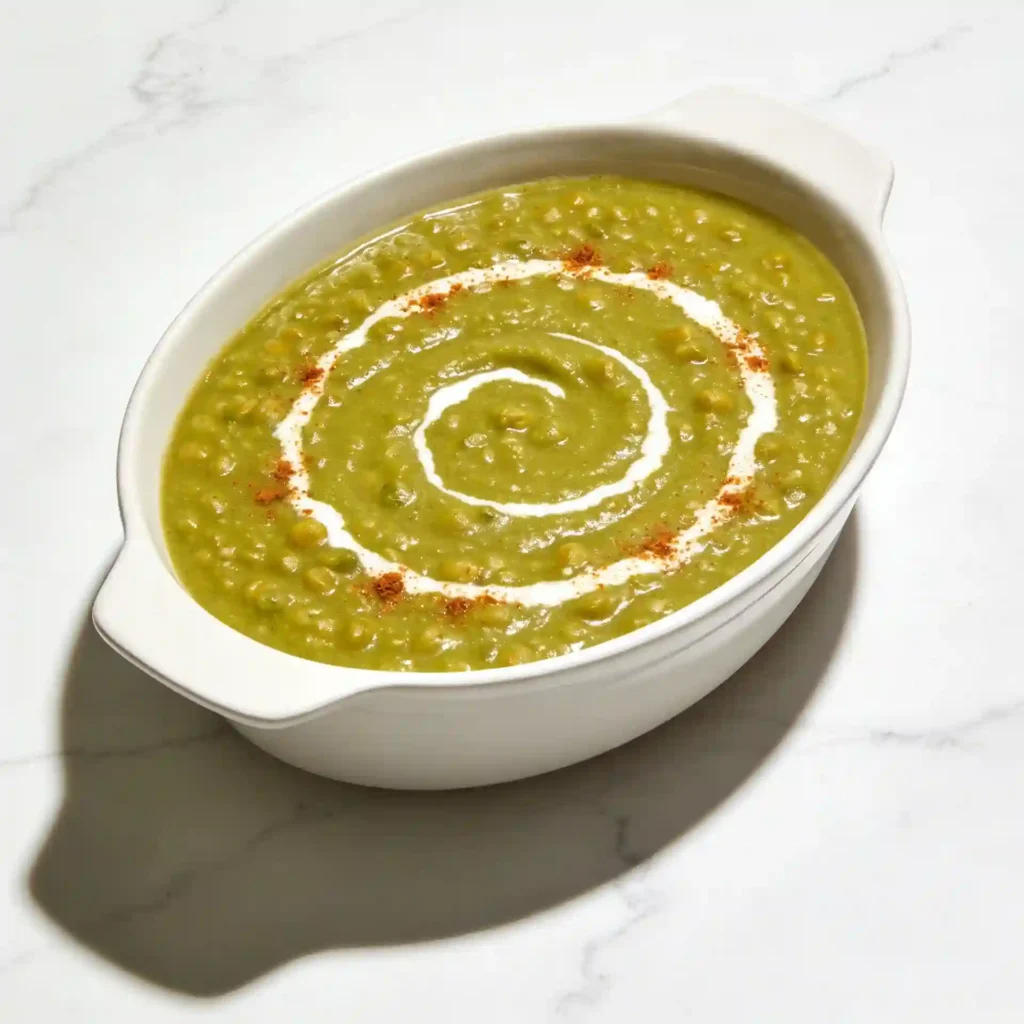
By prioritizing high-quality aromatics and a slow, loving simmer, you take complete control of your wellness. Grab your Dutch oven and let’s start cooking!